Inside Dale Earnhardt’s $400 Million Empire
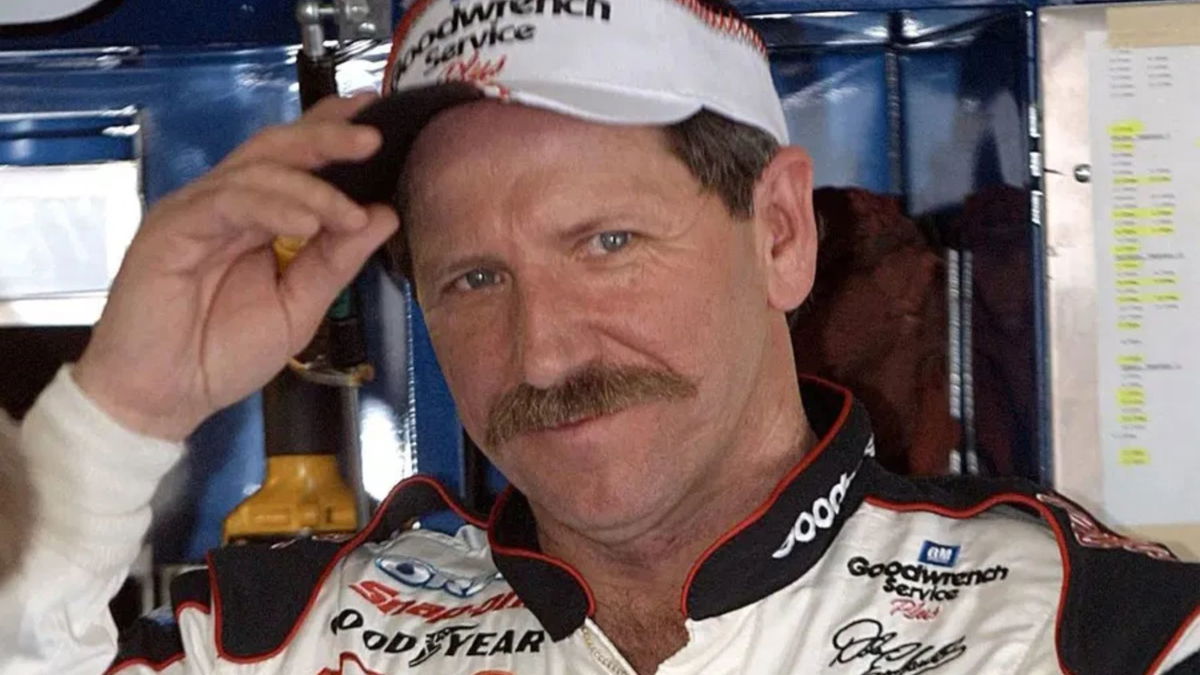
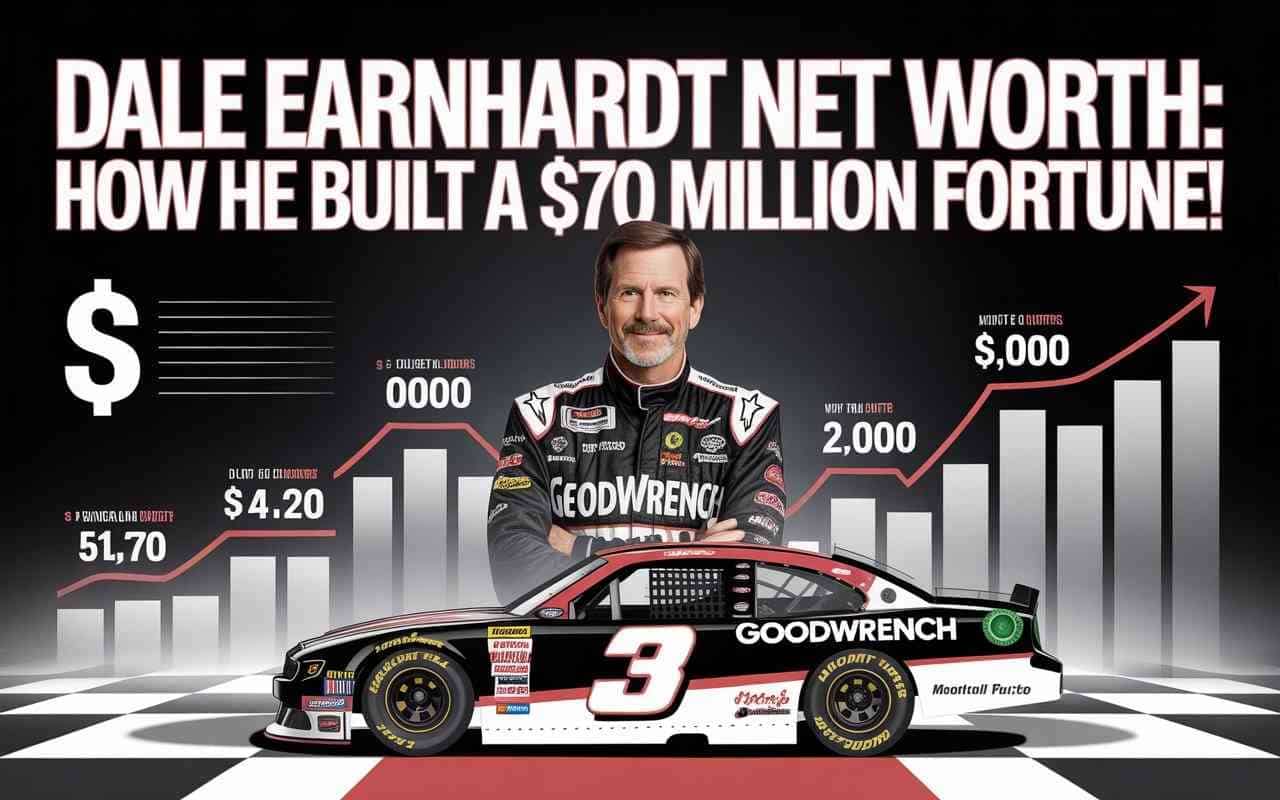
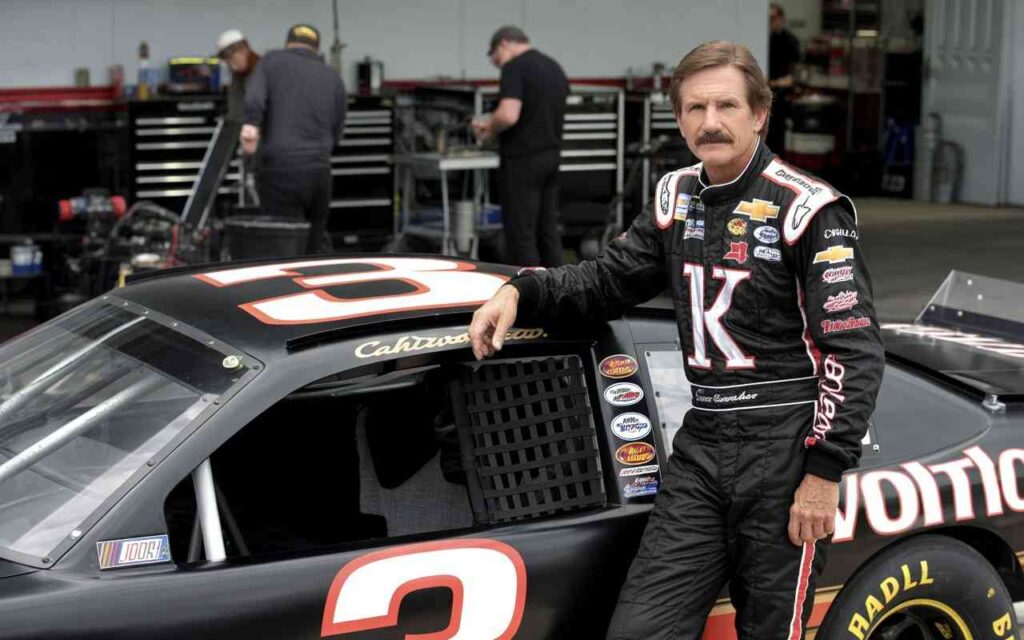
When auto racing fans think of Dale Earnhardt, they immediately picture the ominous black No. 3 Chevrolet, the iconic mustache, and the fearless driving style that earned him the moniker “The Intimidator.” Yet behind the seven NASCAR Cup Series championships was one of the most astute commercial minds in professional sports history. Understanding why his net worth soars – the business & speed formula behind Dale Earnhardt’s $400 million legacy reveals how a high-school dropout from Kannapolis, North Carolina, forever transformed the financial landscape of American motorsport.

The On-Track Foundation: Prize Purses and Dominance
No business model functions without a compelling core product, and Dale Earnhardt’s core product was raw, unfiltered racing mastery. Over a premier series career spanning from 1975 to 2001, Earnhardt collected 76 Cup Series victories, tied Richard Petty with seven Cup championships, and won the 1998 Daytona 500.
During his active career, Earnhardt accumulated more than $41 million in direct race purses alone—a staggering sum for his era. Adjusted for inflation and contextualized against the lower-purse decades of the 1980s, his winnings provided the seed capital for his sprawling private business operations. However, prize money was merely the baseline; the real wealth came from leveraging that dominance into intellectual property.
Revolutionizing Sports Merchandising: The Sports Image Deal
Before Earnhardt, NASCAR drivers were essentially hired hands who earned race purses and modest retainer fees from sponsors. Souvenirs were a sideshow, often sold out of the trunks of cars or by independent trackside vendors who gave drivers small royalties.
Earnhardt recognized early that fans weren’t cheering for the automotive manufacturers; they were cheering for the driver. In the mid-1980s, Earnhardt partnered with sports marketer Don Hawk and merchandising pioneer Sports Image Inc. to rethink the entire retail model:
- Consolidation of Rights: Earnhardt trademarked his signature, his nickname (“The Intimidator”), and the distinct stylized slanted “3.”
- Owning the Supply Chain: Rather than licensing his likeness for a small royalty, Earnhardt bought Sports Image Inc. outright in the mid-1990s before later selling it to Action Performance for tens of millions of dollars plus substantial stock options.
- The Modern Souvenir Rig: He introduced professional, dedicated trackside haulers, ensuring that at any NASCAR track across the United States, Earnhardt-branded apparel and die-cast cars represented up to 40% of the entire track’s merchandise sales.
Why His Net Worth Soars: The Business & Speed Formula Behind Dale Earnhardt’s $400 Million
The Earnhardt empire did not dissipate after his tragic passing at the 2001 Daytona 500; it expanded. The family estate, licensing royalties, and associated corporate ventures grew into a collective valuation that reached and surpassed the $400 million mark. This phenomenal financial durability is rooted in a specific formula that fused athletic supremacy with corporate leverage.
1. The Formula: Athletic Equity Multipliers
Earnhardt operated on an equity-over-cash philosophy. While contemporaries settled for annual cash sponsorship checks, Earnhardt negotiated long-term equity, personal services arrangements, and distribution guarantees. His primary sponsors—most notably GM Goodwrench and Wrangler Jeans—became synonymous with his personal brand, elevating his profile from athlete to cultural icon.
2. Dale Earnhardt, Inc. (DEI): Transition from Driver to Owner

True scale in motorsports requires running the team, not just driving the car. In 1980, Dale and his wife, Teresa Earnhardt, founded Dale Earnhardt, Inc. (DEI). By the late 1990s, DEI had grown from a modest shop into a state-of-the-art 400,000-square-foot racing complex known as the “Garage-Mahal.”
DEI fielded championship-caliber teams across NASCAR’s top tiers, fielding drivers like Dale Earnhardt Jr., Steve Park, and Michael Waltrip. The operation generated tens of millions annually in corporate sponsorships from brands such as Budweiser, Pennzoil, and NAPA Auto Parts. While DEI eventually merged with Chip Ganassi Racing, the real estate, historical licensing assets, and proprietary facilities remained immensely valuable holdings.
Strategic Asset Allocation: Beyond the Racetrack
The speed formula was fueled by aggressive diversification. Earnhardt plowed his motorsport earnings into conservative, cash-flowing tangible assets:
- Commercial and Agricultural Land: Earnhardt acquired thousands of acres in North Carolina, including large working farms and strategic industrial parcels in Rowan and Cabarrus counties that appreciated massively over the ensuing decades.
- Automotive Dealerships: Dale Earnhardt Chevrolet in Newton, North Carolina, provided a steady, recession-resistant revenue stream tied directly to his lifelong association with General Motors.
- Media and Licensing Rights: The Earnhardt estate maintained tight control over archival footage, commemorative apparel, and collectible licensing, ensuring annual royalty streams that outearned many active Cup drivers.
The Family Dynasty: Dale Jr. and the Modern Digital Transition
An undeniable component of why the Earnhardt name remains an economic juggernaut is the seamless generational transition orchestrated alongside his son, Dale Earnhardt Jr. While Dale Jr. forged his own massive net worth—approaching $300 million through his driving career, endorsements, and JR Motorsports—the foundation was the blueprint laid by his father.
JR Motorsports stands as one of the most profitable teams in NASCAR’s Xfinity Series, leveraging the business relationships, facility footprints, and foundational branding principles pioneered by Dale Sr. four decades ago.
Key Takeaways from the Earnhardt Business Blueprint
Dale Earnhardt’s financial trajectory offers actionable business lessons that extend far beyond racing:
- Own Your IP Early: The moment you generate public value, trademark your distinguishing identifiers. Earnhardt didn’t let NASCAR or team owners control his image.
- Control the Distribution: By owning the merchandise trucks and the manufacturer, he captured profits at the manufacturing, wholesale, and retail stages.
- Monetize a Cohesive Identity: Earnhardt leaned heavily into “The Intimidator” persona. Consistency in branding (black car, sunglasses, uncompromising stance) made him instantly marketable to a loyal blue-collar demographic.
Ultimately, the $400 million valuation associated with the Earnhardt empire is the result of unprecedented foresight. Dale Earnhardt drove like an outlaw on Sunday afternoons, but on Monday mornings, he operated like a Fortune 500 executive.