Inside Jeffrey Dahmer's Polaroid Crime Scene Evidence
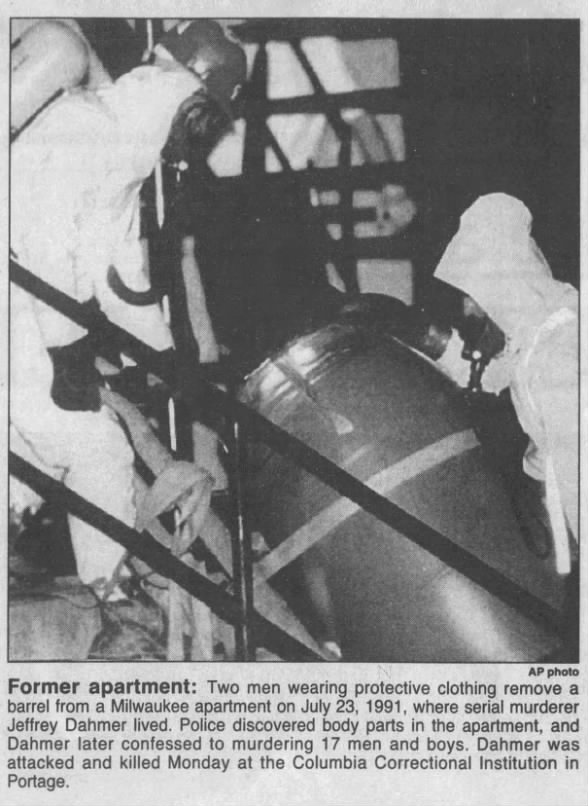
When law enforcement officers stepped into apartment 213 at 924 North 25th Street in Milwaukee on July 22, 1991, they expected a routine domestic disturbance call. Instead, they uncovered a house of horrors that shocked the nation. Among the most damning pieces of evidence recovered at the scene was a collection of photographs known today as Jeffrey Dahmer's Polaroid crime scene evidence. These physical images not only documented the killer's gruesome acts but also provided an airtight case for prosecutors, ensuring he would never walk free again.
The Chilling Discovery in Apartment 213
The breakthrough that led police to Dahmer's apartment began when a prospective victim named Tracy Edwards managed to escape handcuffs and flag down two passing police officers. Edwards led officers back to Dahmer's apartment to retrieve his key. Upon entering the modest unit, officers immediately noticed a foul, chemical odor and observed a large vat of acid and several barrels.
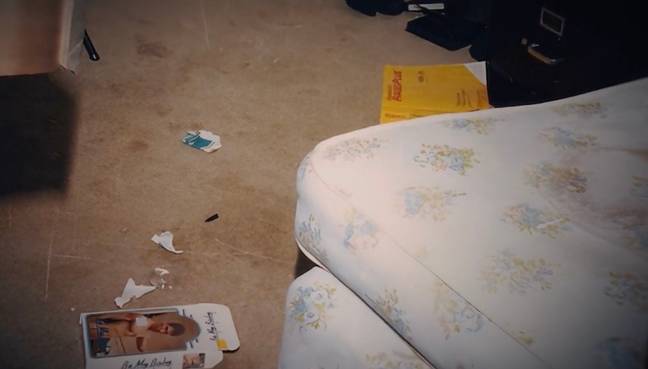
However, it was during a search for identification and potential weapons that an officer opened the drawer of a bedside table. Inside lay a small, blue plastic booklet containing dozens of Polaroid photographs. What the officers saw in those frames shattered any remaining doubt about Dahmer's guilt and revealed the true scale of his depravity.
What the Polaroid Photographs Depicted
Unlike many serial killers who destroy souvenirs of their crimes, Dahmer kept a meticulous, visual catalog of his victims. The photographs found by Milwaukee police were not casual portraits; they were graphic records of human degradation, dismemberment, and death.
Investigators cataloged several distinct categories of images within the collection:
- Poses in Life and Death: Many photos showed young men and teenage boys in various states of unconsciousness or compliance, often posed deliberately on Dahmer's bed before their murders.
- Anatomical Progression: A disturbing subset of the Polaroids documented the step-by-step process of dismemberment, detailing the progression of the homicides over several years.
- Skeletal Remains: Later photos depicted bleached skulls and isolated body parts arranged in macabre configurations around the apartment.
These visual records proved crucial because they established a timeline and confirmed that Dahmer's crimes were not isolated incidents, but part of a systematic, years-long killing spree that spanned from 1978 to 1991.
The Legal and Psychological Impact of the Evidence
In the American legal system, visual evidence of this magnitude presents unique challenges during trials. The introduction of Dahmer's Polaroids into the courtroom required careful navigation by both the prosecution and the defense.

Overcoming the Insanity Plea
Dahmer's defense team entered a plea of guilty but insane, arguing that their client suffered from a severe mental disease that compelled him to commit these acts. However, the prosecution used the Polaroid evidence to dismantle this argument piece by piece.
Prosecutors argued that the deliberate, methodical nature of taking, developing, and organizing the photographs demonstrated a high degree of planning and consciousness of guilt. The fact that Dahmer hid the photos in a closed drawer proved he knew his actions were unlawful, effectively neutralizing the insanity defense and securing 15 consecutive life sentences.
Impact on Investigators and Jurors
The psychological toll of reviewing the evidence cannot be overstated. The detectives who first opened the blue booklet, as well as the jurors who viewed the images during the 1992 trial, suffered from severe trauma. For many involved, the images served as a stark reminder of the hidden darkness that can exist behind closed doors in ordinary neighborhoods.
The Disposal of the Evidence
Following Dahmer's conviction and his subsequent death in prison in 1994, questions arose regarding what should happen to his personal property and the physical evidence collected from his apartment. In 1995, a Milwaukee County judge ordered that the bulk of Dahmer's possessions—including the infamous Polaroid photographs, his knives, and the blue storage albums—be destroyed.
The decision was made to prevent the commodification of the crimes through true crime memorabilia markets and to offer a measure of peace to the families of the victims. Today, only sanitized police reports, court transcripts, and select non-graphic exhibits remain accessible to the public and researchers.
Conclusion
The legacy of Jeffrey Dahmer's crimes remains a dark chapter in American criminal history. While the physical photographs have long since been destroyed, their role in unmasking a monster remains undeniable. By capturing his horrific actions on instant film, Dahmer inadvertently created the very evidence that ensured his capture, conviction, and permanent removal from society.