Inside Qatar’s Royal Family Wealth: Billions Revealed
When people think of global wealth, names like Bezos, Musk, and Gates usually come to mind. Yet, behind closed palace doors, sovereign wealth funds and absolute monarchies command financial power that often eclipses individual billionaires. Among these dynasties, the ruling House of Al Thani in the Persian Gulf stands out for its staggering accumulation of capital. Understanding **The Shocking $Billions Truth: How Rich Is Qatar’s Royal Family Behind Palace Walls?** requires looking past the sparkling skyline of Doha and deep into a multi-layered global financial empire.

Decoding the House of Al Thani's Collective Wealth
Unlike traditional billionaires whose fortunes are tied to a single tech company or retail chain, the wealth of Qatar’s royal family is deeply intertwined with the nation's sovereign assets, vast natural resources, and aggressive international investments.
Estimating the exact net worth of the Al Thani family is notoriously difficult because state finances and private royal assets often overlap. However, financial analysts and sovereign wealth monitors estimate the family's collective fortune easily exceeds $335 billion, placing them among the wealthiest family dynasties on the planet, often rivaling the House of Saud.
The Power of Liquid Natural Gas (LNG)
The foundation of this immense wealth rests on geography and geology. Qatar sits atop the North Field, the world’s largest single non-associated natural gas field. For decades, state-owned QatarEnergy has channeled billions in revenue directly into national development and royal-backed initiatives. As global demand for clean-burning energy sources has surged, these energy exports have continuously flooded the royal coffers with liquid capital.
The Qatar Investment Authority (QIA): The Ultimate Financial Engine
To understand how the royal family preserves and multiplies its money, one must look at the Qatar Investment Authority (QIA). Founded in 2005, the QIA is Qatar’s sovereign wealth fund, managing assets valued at approximately $475 billion. While technically a state fund, it is directly controlled by the ruling family, serving as their primary vehicle for global economic dominance.
Through the QIA, the Al Thani family has systematically bought stakes in iconic Western institutions, transforming oil and gas windfalls into permanent, diversified income streams. Their portfolio spans multiple sectors and continents:
- Real Estate: Landmark properties in London, including The Shard, the Olympic Village, and luxury department store Harrods.
- Finance: Major equity stakes in international banking giants like Barclays and Credit Suisse.
- Automotive: Significant investments in Volkswagen, Porsche, and Audi.
- Retail and Hospitality: Ownership of iconic hotels like Claridge's, The Berkeley, and the Connaught in London, alongside shares in Tiffany & Co.
Palaces, Superyachts, and Private Jets: The Lifestyle Behind Palace Walls
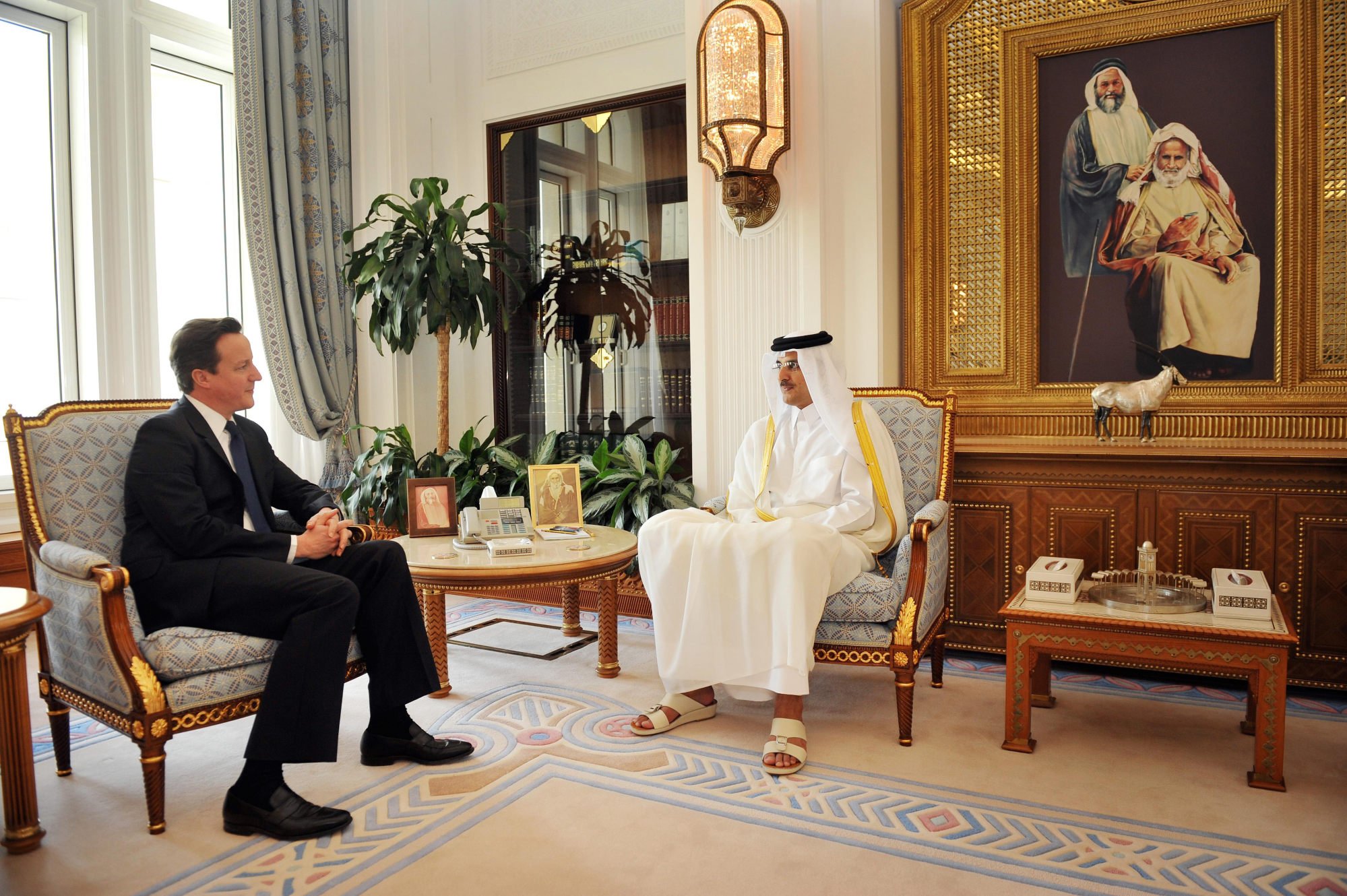
While their sovereign investments capture headlines, the private lifestyle of the Al Thani family inside and outside Qatar is defined by unimaginable luxury. The Emiri Diwan (the sovereign body and administrative office) oversees a network of opulent palaces that span the globe.
Doha's Architectural Marvels
In Doha, the Amiri Palace serves as the administrative seat of power, characterized by striking modern Islamic architecture, sprawling landscaped gardens, and absolute security. Members of the extended family own dozens of sprawling estates along the Qatari coastline, featuring private beaches, helipads, and state-of-the-art security installations.
The Ultimate Floating Mansions
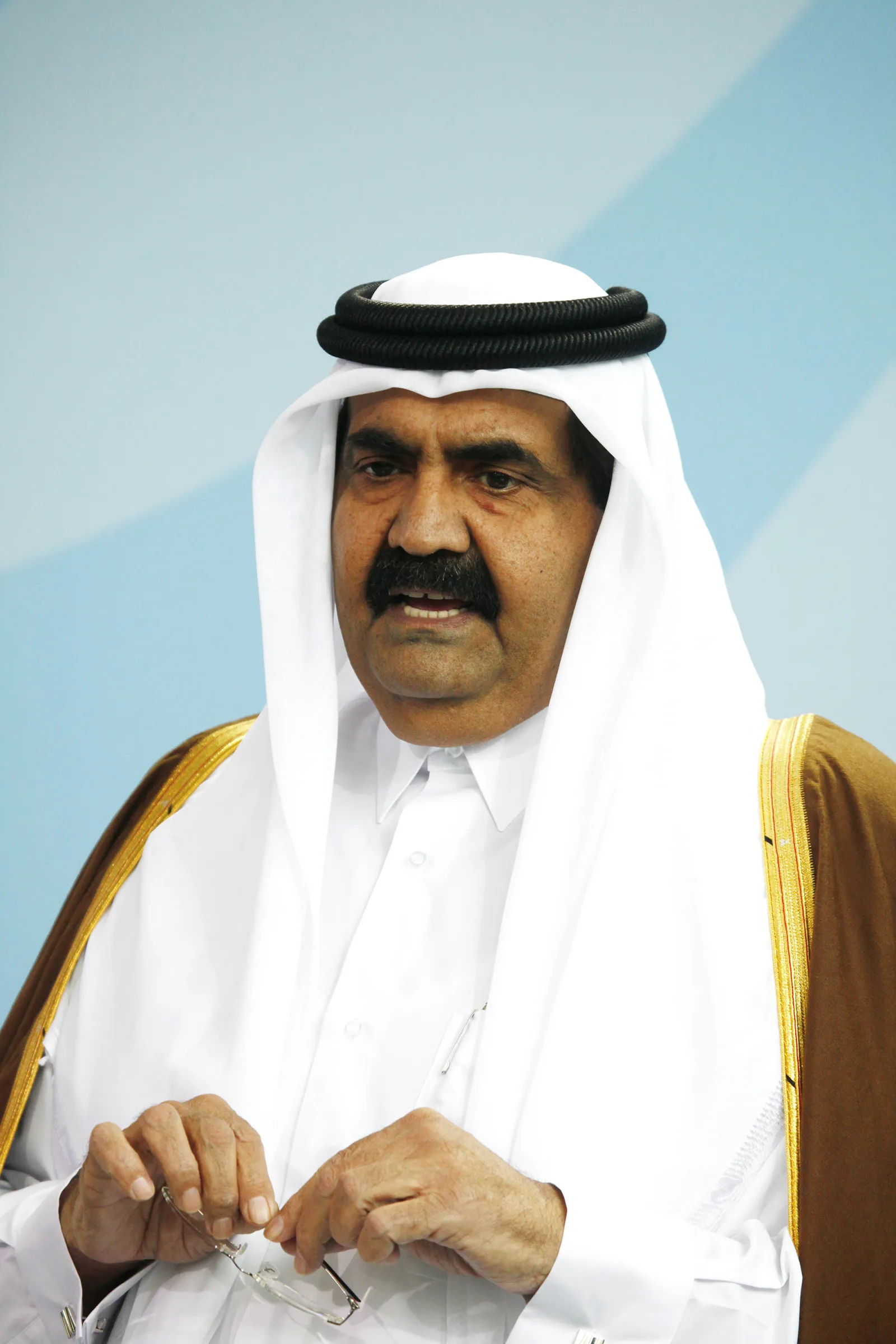
The royal family's penchant for luxury extends to the high seas. Qatar’s royals own some of the largest and most expensive superyachts in the world. Notably, the yacht *Katara*—commissioned for former Emir Sheikh Hamad bin Khalifa Al Thani—cost an estimated $400 million to build. Measuring over 124 meters, it features multiple swimming pools, helicopter landing pads, and custom interior designs that rival five-star hotels.
Wings of State
When traveling, commercial first-class is simply not an option. The royal family relies on Qatar Amiri Flight, a specialized airline fleet dedicated exclusively to the transport of the Emir and government officials. The fleet includes heavily customized Boeing 747-8s and Airbus A350s, outfitted with private master suites, boardrooms, and hospital-grade medical facilities, with individual aircraft values easily exceeding $300 million before custom interior upgrades.
Soft Power and Global Influence
Money on this scale buys more than just luxury cars and real estate; it buys geopolitical influence. The Al Thani family has masterfully used its wealth to transform Qatar from a quiet peninsula into a central hub for international diplomacy, sports, and media.
Consider the hosting of the 2022 FIFA World Cup. While the tournament cost Qatar an estimated $220 billion in infrastructure development—making it the most expensive sporting event in history—it served as a massive marketing campaign to project national prestige and security on the global stage. Furthermore, the family funds the global media powerhouse Al Jazeera, extending their diplomatic reach and cultural footprint into millions of homes worldwide.
Conclusion
The shocking truth behind Qatar’s royal family is not just the sheer magnitude of their hundreds of billions in wealth, but how strategically they have deployed it. By shifting reliance away from depleting fossil fuels and into global real estate, premier financial institutions, and high-profile cultural assets, the House of Al Thani has future-proofed its dynasty. Behind palace walls, their wealth is not merely a stockpile of cash—it is a sophisticated, global machinery designed to ensure enduring power for generations to come.