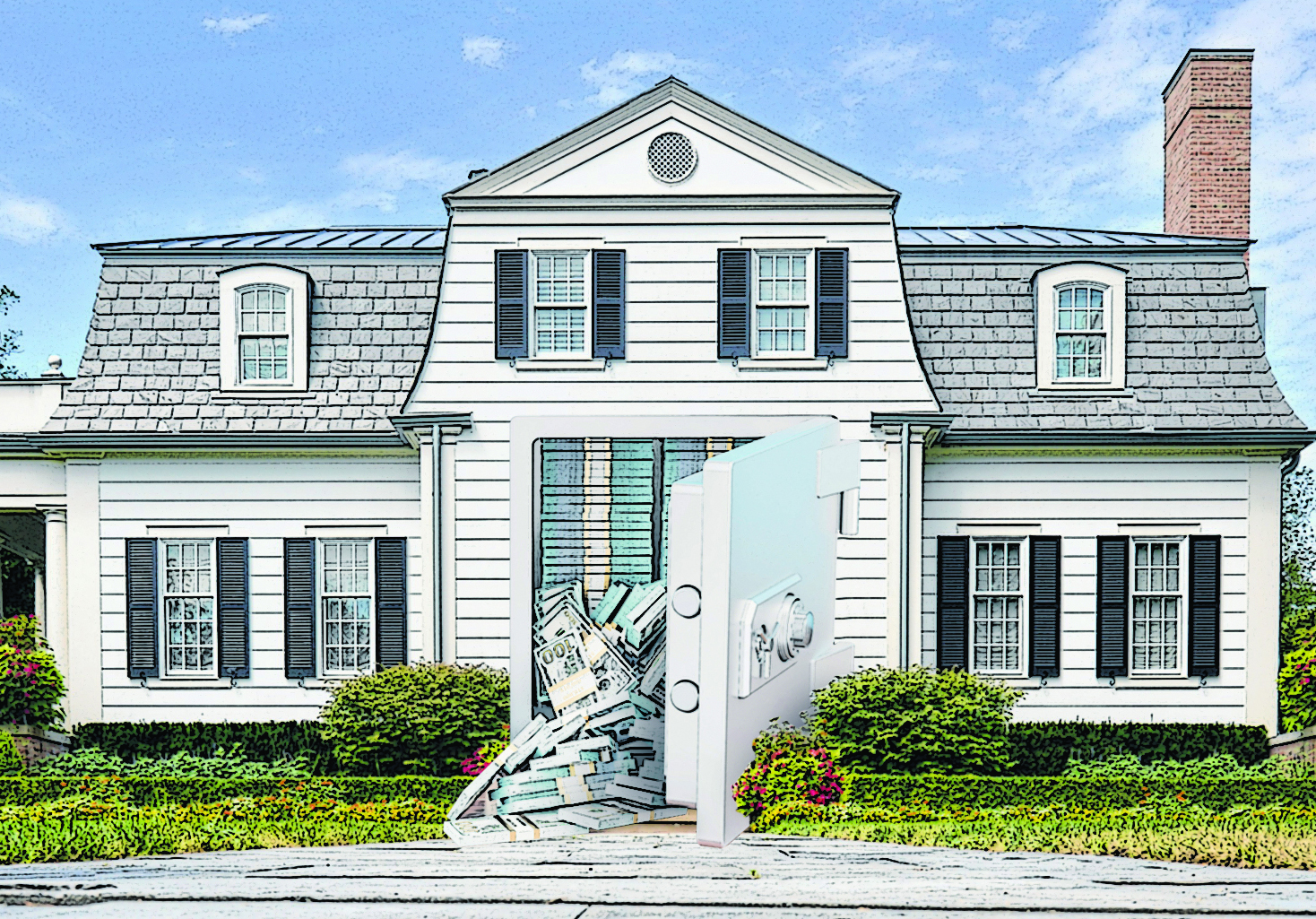
Inside the $90 Million Mystique – How Tax Breaks
Decoding Ultra-Luxury Real Estate and Wealth

When a headline-grabbing estate trades hands for a staggering sum, the public often focuses on the architectural marvels, custom finishes, and celebrity provenance. However, beneath the polished marble and infinity pools lies a complex financial architecture. Understanding the mechanics of these transactions requires looking Inside the $90 Million Mystique – How Tax Breaks, loopholes, and legal structures fundamentally alter the true cost of elite homeownership.
Ultra-luxury real estate is rarely bought the way a standard suburban home is purchased. Instead of a straightforward cash transfer or conventional mortgage, these acquisitions involve layers of trusts, corporate entities, and strategic tax planning designed to preserve capital long after the closing date.
The Mechanics of High-Value Property Transactions
Mega-mansions priced at $90 million and above operate under an entirely different set of economic rules. Buyers at this level are not just acquiring a place to live; they are acquiring an asset that must integrate seamlessly into a broader wealth-management portfolio.
Using Entities to Shield Assets
Most multi-million dollar properties are not held in an individual’s personal name. Instead, buyers utilize Limited Liability Companies (LLCs), revocable trusts, or foreign holding companies. This strategy serves two primary purposes: privacy and liability protection. High-profile buyers—such as tech founders, hedge fund managers, and A-list celebrities—use corporate veils to keep their personal lives shielded from public scrutiny while safeguarding personal assets from potential litigation.
Depreciation and Paper Losses
Video: How tax breaks help the rich

Even residential properties can sometimes offer creative accounting avenues when structured correctly. While primary residences do not qualify for commercial depreciation, properties utilized as mixed-use spaces, working ranches, or integrated into an estate planning strategy can often generate significant paper losses. These losses can offset other forms of income, effectively reducing the owner’s annual tax liability.
How Tax Breaks Shape the Luxury Market
Government tax policies inadvertently shape buyer behavior in the luxury sector. Certain federal, state, and local incentives dictate when and where the ultra-wealthy decide to park their capital.
- Property Tax Caps and Adjustments: States with favorable property tax environments naturally attract high-end buyers, diverting capital away from traditionally high-tax jurisdictions.
- Conservation Easements: Large estates with significant acreage often leverage conservation easements. By restricting future development on a portion of the land, owners can claim massive charitable deductions on their tax returns.
- 1031 Exchanges (Where Applicable): While tighter regulations now restrict 1031 exchanges primarily to investment properties, creative structuring allows sophisticated investors to defer capital gains taxes when transitioning from one high-value asset to another.
The Role of Offshore Structures and Loopholes
For international buyers looking at prime real estate hubs like New York, London, or Miami, cross-border tax considerations are paramount. Utilizing offshore trusts allows buyers to manage estate taxes and mitigate foreign buyer duties. While tax authorities globally have cracked down on illicit financial flows through registries of beneficial ownership, legal structures managed by elite tax attorneys and wealth advisors remain a staple of high-end acquisitions.
These strategies ensure that generational wealth is transferred smoothly without triggering catastrophic inheritance or gift taxes upon the death of the primary owner.
Conclusion: Beyond the Price Tag
The allure of a nine-figure estate extends far beyond its physical beauty. Behind every record-breaking sale is a sophisticated game of financial chess. By masterfully utilizing deductions, trusts, and legal incentives, the ultra-wealthy minimize their exposure to taxation while securing appreciating physical assets. Ultimately, the true mystique of a $90 million home isn't just found in its design—it is engineered in the balance sheet.