Inside the Dee Dee Blanchard Crime Scene Photos
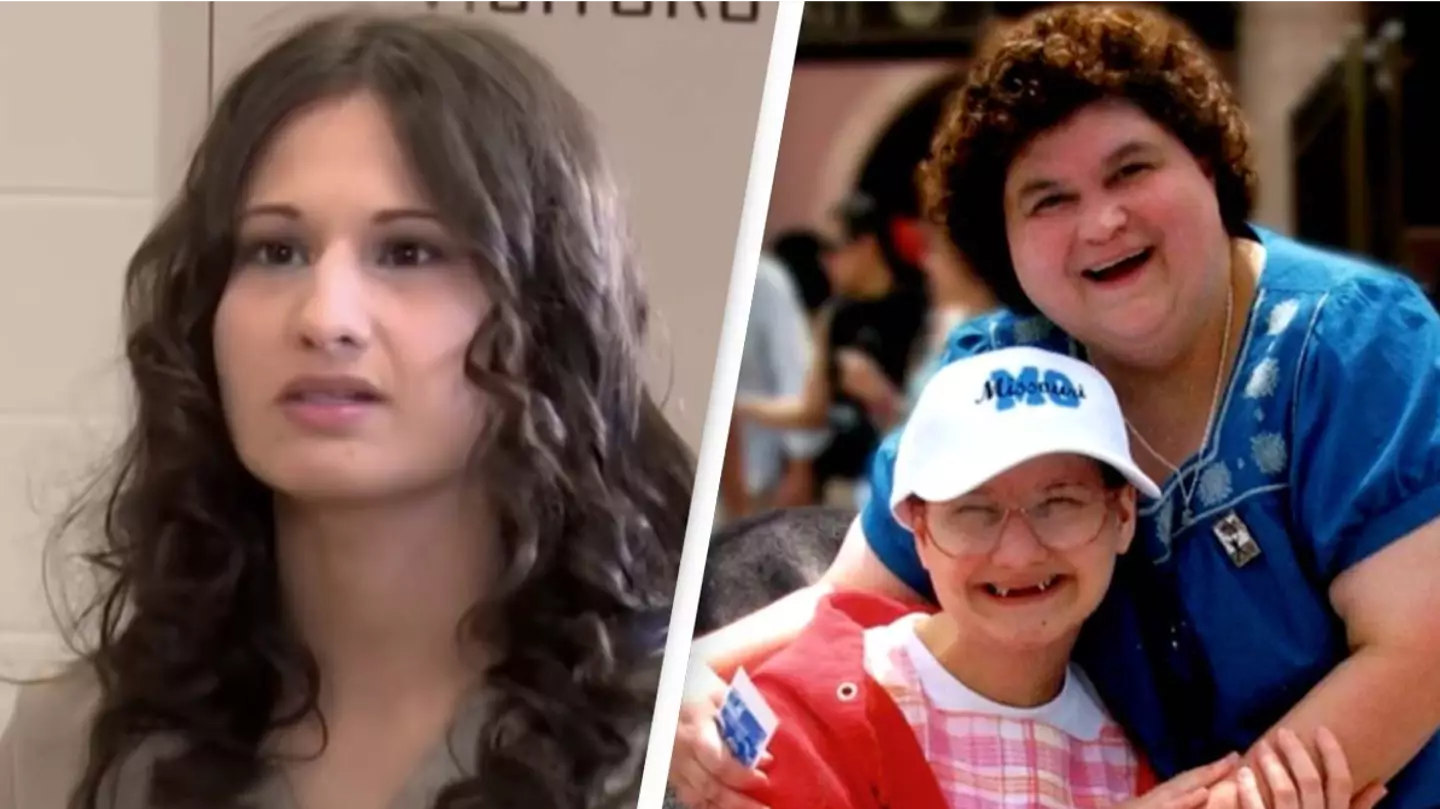
The 2015 murder of Clauddine "Dee Dee" Blanchard remains one of the most disturbing and complex cases in modern true crime history. Beyond the bizarre layers of Munchausen syndrome by proxy and years of medical child abuse, public fascination has frequently zeroed in on the physical evidence, particularly searches related to the dee dee blanchard crime scene photos. Understanding what investigators found inside the pink Springfield, Missouri home provides vital context regarding how the crime was committed, discovered, and eventually solved.

The Discovery at the Springfield Home
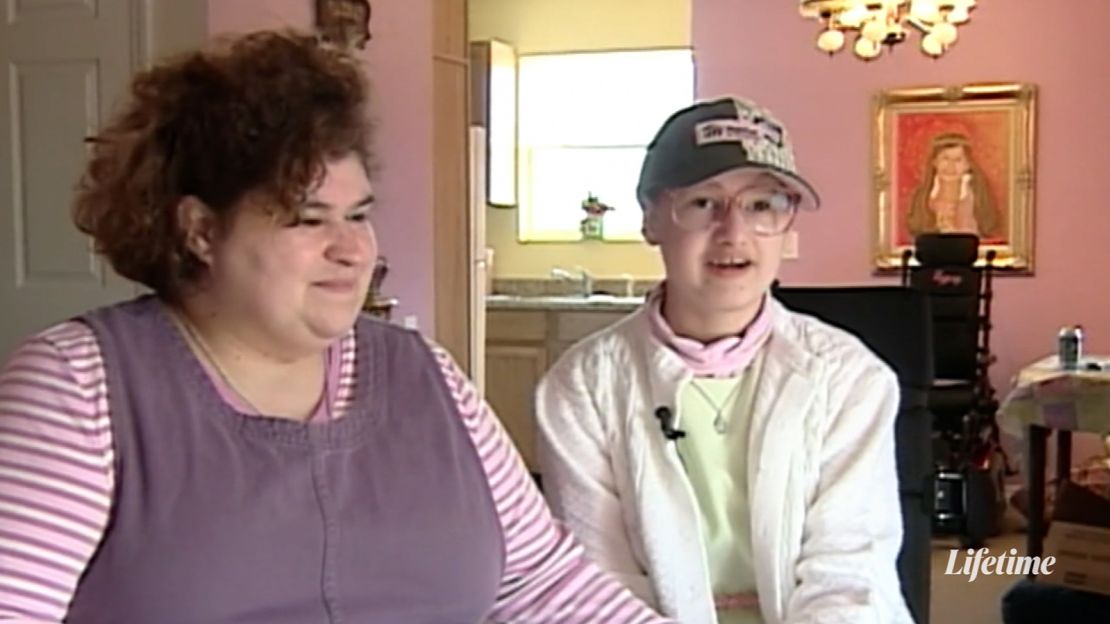
On June 14, 2015, police entered the Blanchard family home on Volunteer Way in Springfield, Missouri, following concerning Facebook posts made from Dee Dee and Gypsy Rose's account. Inside, officers found a house that starkly contrasted with the public perception of a loving mother caring for a severely disabled child.
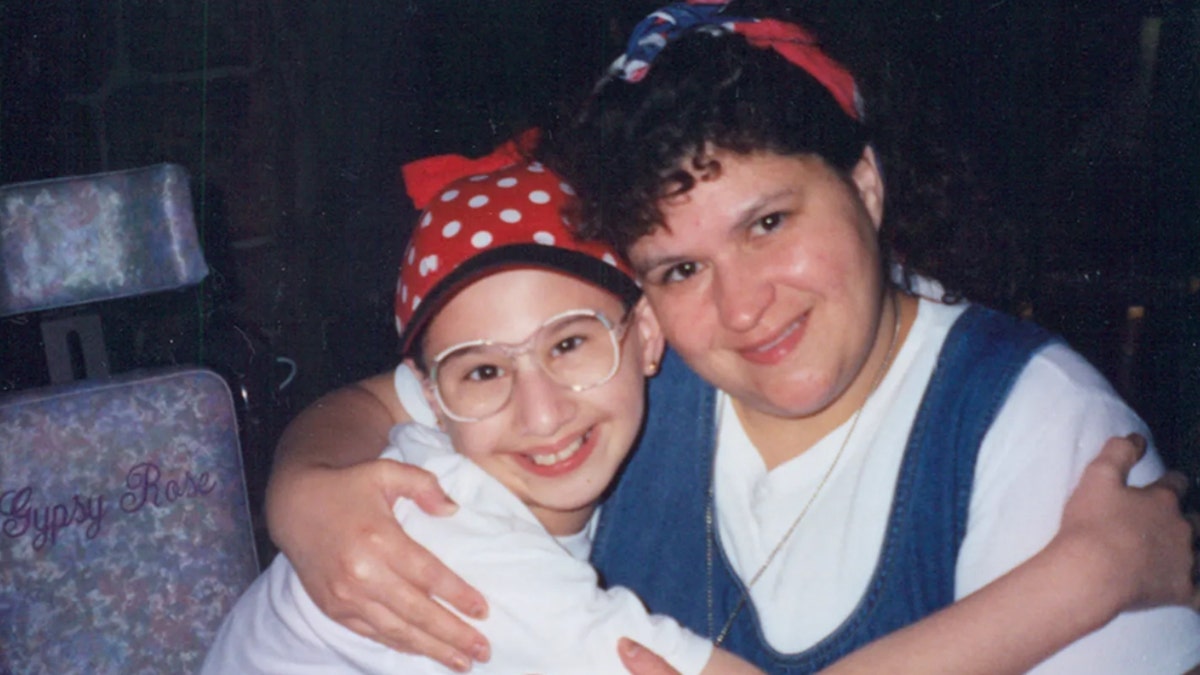
The home was filled with medical supplies, wheelchairs, and feeding tubes, which corroborated the years of false medical narratives Dee Dee had spun for doctors, charities, and neighbors. However, the most critical area of the house was Dee Dee's bedroom, where her body was discovered facedown on a bed, covered with a sheet. She had been dead for several days, having suffered multiple stab wounds.
What the Dee Dee Blanchard Crime Scene Photos Reveal
Unlike many high-profile cases where graphic images flood the internet, official police evidence—including the official dee dee blanchard crime scene photos—was largely kept restricted as part of the judicial process, though certain details and courtroom exhibits have become public knowledge. The visual record of the scene tells a specific story about the nature of the crime and the aftermath.
- Lack of Forced Entry: There were no signs of a violent break-in. The perpetrators entered through familiar means, heavily facilitated by Gypsy Rose herself.
- The Weapon and Bloodstains: Investigators documented the tactical knife used in the attack, which was later recovered along with clothing in Wisconsin where Gypsy Rose and her co-defendant, Nick Godejohn, fled.
- Personal Belongings Left Behind: The home contained thousands of dollars in cash hidden in various hiding spots, as well as Gypsy Rose's medical equipment and unused medications, proving that robbery was not the motive.
- Surreal Environment: The contrast between the horrific crime and the whimsical, Disney-themed decor of the home captured in police walkthroughs added to the surreal nature of the case.
The Investigation and Forensic Evidence
Law enforcement quickly transitioned from a welfare check to a homicide investigation. The physical evidence left at the scene, combined with digital footprints, cracked the case wide open within days.
Video: Gypsy Rose Crime Scene Photos - Dee Dee Blanchard Murder - Nick Godejohn - Police - Real House
Digital Footprints vs. Physical Evidence
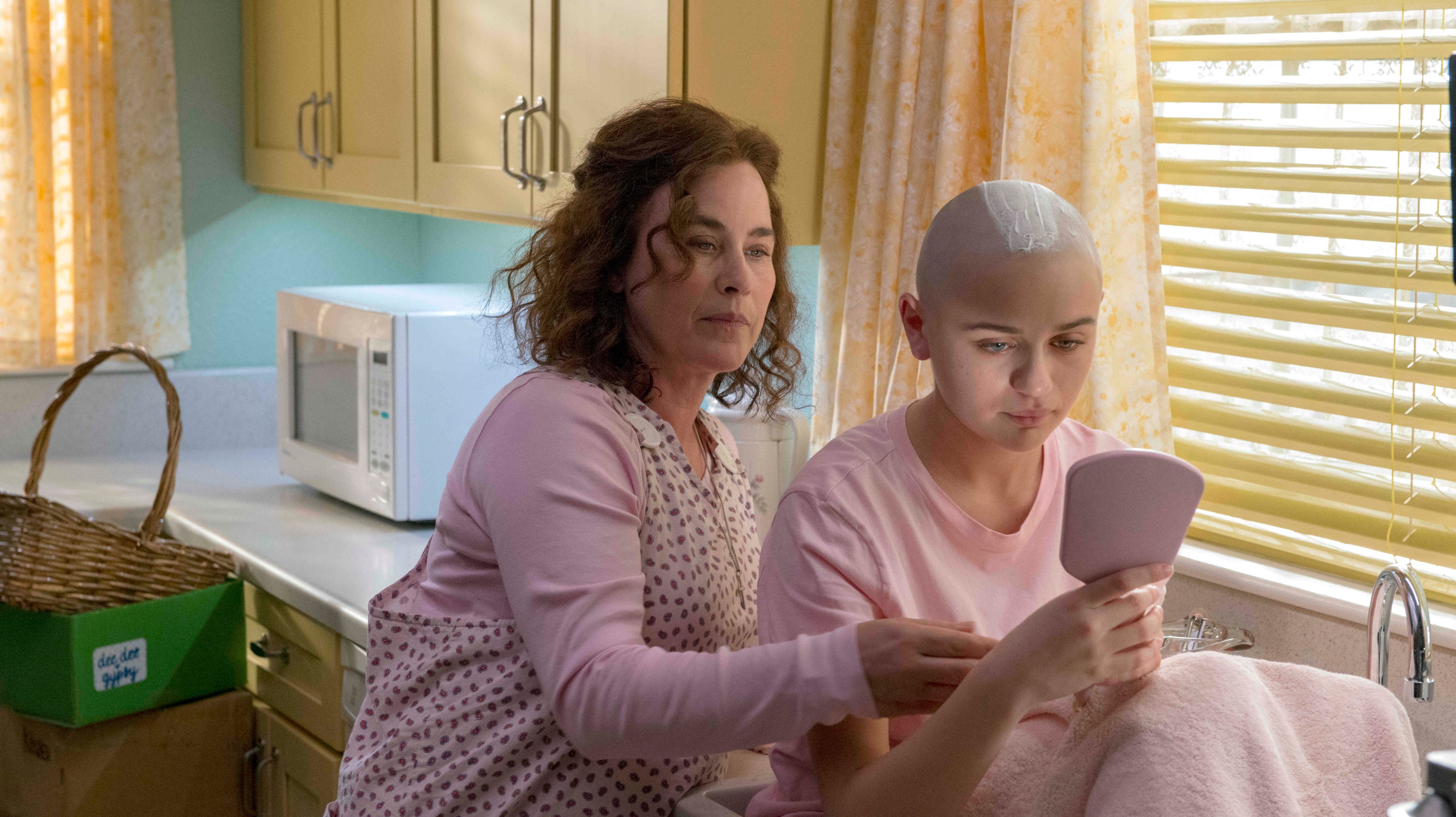
While the physical crime scene showed a violent struggle in the bedroom, the digital evidence told the story of a coordinated plot. The controversial Facebook statuses—"That Bitch is dead!"—posted from the victim's account alerted friends and eventually police. Investigators used IP addresses and cell phone pings to trace Gypsy Rose and Nick Godejohn to a motel in Waukesha, Wisconsin, where they were arrested.
The Role of Gypsy Rose
Forensic analysis and subsequent confessions clarified that Gypsy Rose had orchestrated the murder to escape a lifetime of imprisonment and abuse, while Nick Godejohn carried out the physical act of stabbing Dee Dee. The physical evidence at the scene matched Gypsy Rose's statements regarding where she hid in the bathroom while the attack occurred and how she helped facilitate Godejohn's entry into the house.
Public Curiosity and Ethical Boundaries
The public's persistent search for crime scene imagery reflects a broader true-crime culture driven by curiosity. However, legal systems restrict the widespread publication of graphic crime scene photos to protect the dignity of the deceased and the privacy of surviving family members. In the Blanchard case, the narrative quickly shifted away from standard sensationalism toward deeper discussions about systemic failures in healthcare, domestic abuse, and the psychological impact of Munchausen syndrome by proxy.
Conclusion
While interest in the dee dee blanchard crime scene photos stems from a desire to understand a shocking true-crime story, the true significance of the physical evidence lies in what it exposed about the household. The inside of the Springfield home laid bare the tragic reality of years of deception, ultimately paving the way for Gypsy Rose Blanchard's eventual release and a nationwide conversation about hidden forms of abuse.