Inside the Dee Dee Rose Blanchard Crime Scene
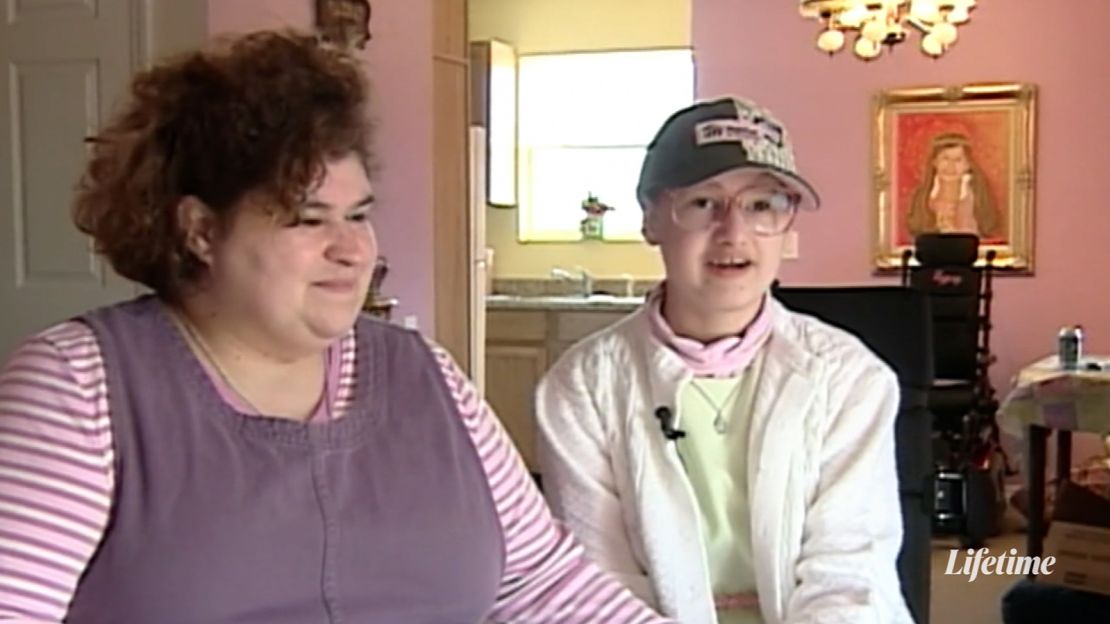
On the evening of June 14, 2015, deputies from the Greene County Sheriff’s Office converged on a small, pink bungalow on Volunteer Way in Springfield, Missouri. The home belonged to Clauddine “Dee Dee” Blanchard and her chronically ill daughter, Gypsy Rose. When investigators crossed the threshold of the Dee Dee Rose Blanchard crime scene, they anticipated a tragedy involving a vulnerable child and her devoted caretaker. Instead, what they uncovered laid the foundation for one of the most bizarre and heavily scrutinized criminal cases in modern American history.

The scene did not simply reveal a homicide; it exposed decades of deception, medical fraud, and psychological torture known clinically as Factitious Disorder Imposed on Another (FDIA), or Munchausen syndrome by proxy.
The Alarming Online Warnings
The chain of events leading to the discovery of the crime scene began on Facebook. Concerned neighbors and friends noticed two disturbing updates posted to the shared account of Dee Dee and Gypsy Rose.
The first post, published on the afternoon of June 14, read bluntly: “That Bitch is dead!”
When friends responded with panic, asking if the account had been hacked or if Dee Dee and Gypsy were safe, a second, more graphic comment appeared: “I fukn SLASHED THAT FAT PIG AND RAPED HER SWEET INNOCENT DAUGHTER... HER SCREAM WAS SOOOO FUKN LOUD LOL.”
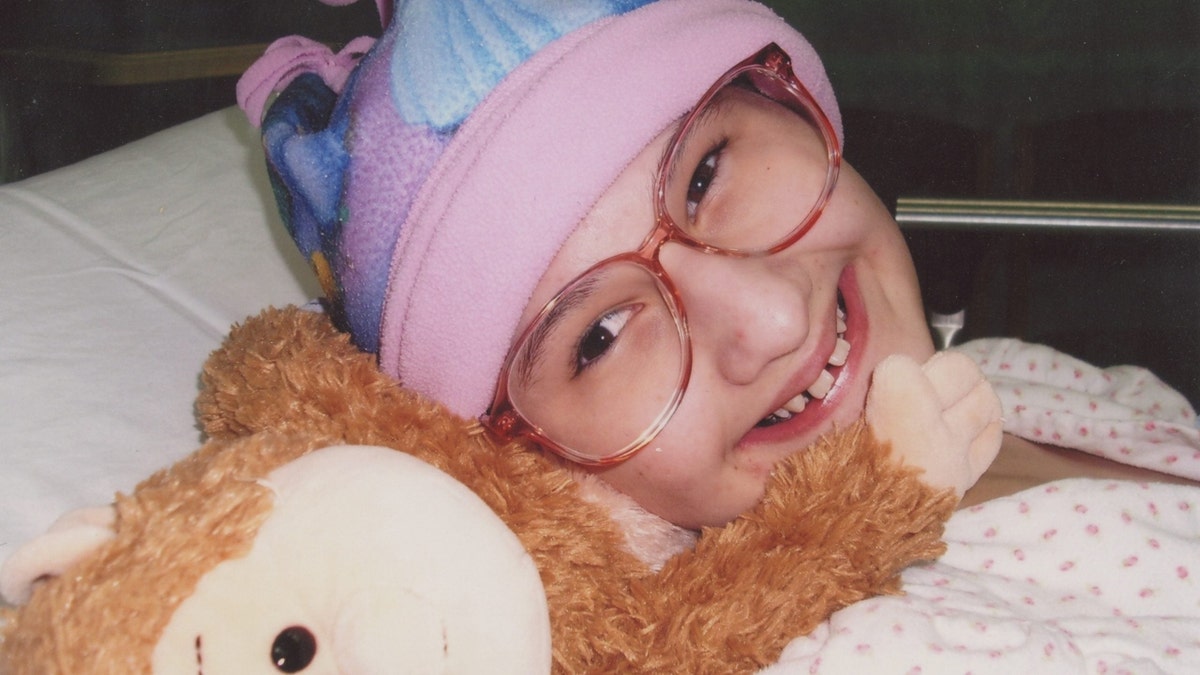
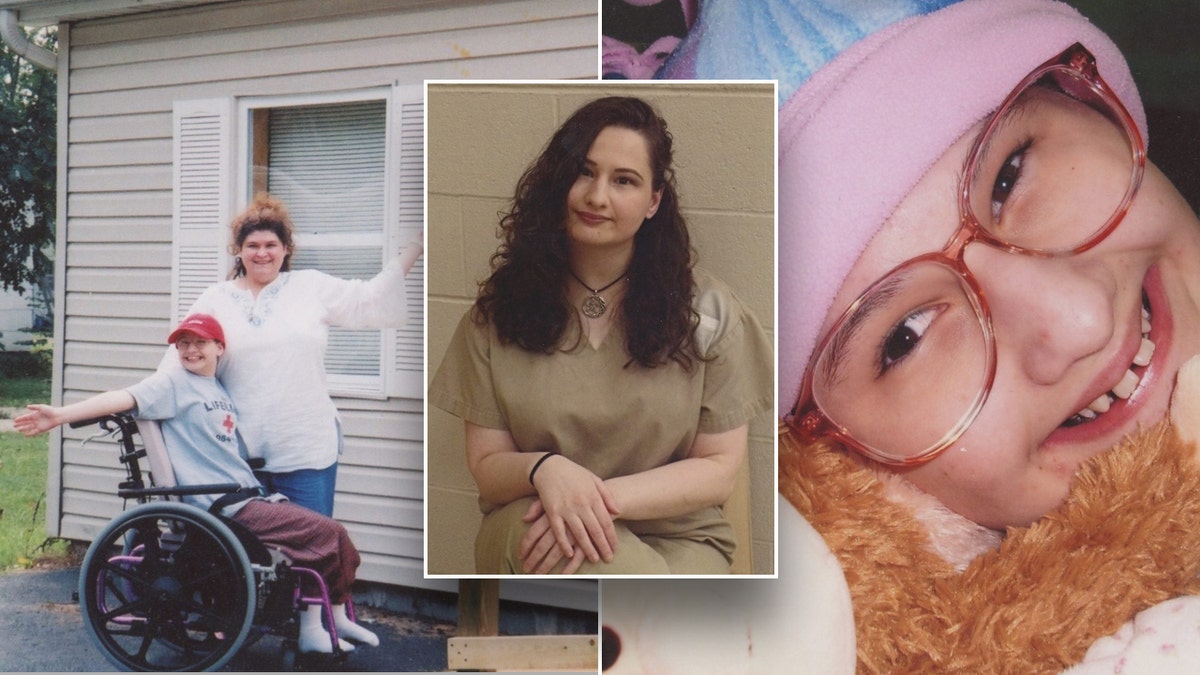
Horrified neighbors rushed to the residence. While Dee Dee’s vehicle was parked in the driveway, repeated knocks went unanswered. Knowing Gypsy as a frail teenager who supposedly used a wheelchair, required a feeding tube, and suffered from leukemia and muscular dystrophy, neighbors feared both mother and daughter were victims of a violent home invasion. Law enforcement was contacted immediately.
The Breach and Initial Entry
Because the residence was secured and deputies initially lacked a search warrant, a neighbor crawled through a window to survey the interior. The house was quiet, dark, and excessively chilled by the air conditioning. Seeing no immediate signs of movement, the neighbor exited.
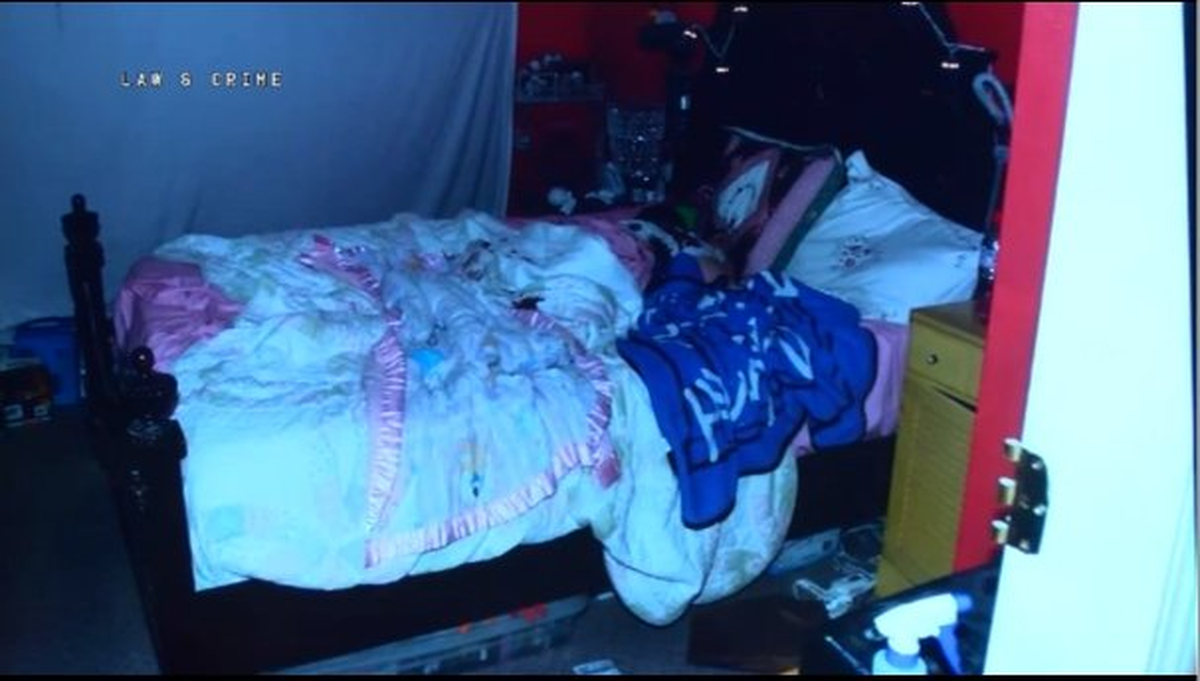
Hours later, after obtaining the proper judicial authorization, Greene County deputies forced entry through the front door. The atmosphere inside was heavy, smelling strongly of decomposition. As officers cleared the single-story house room by room, they reached the master bedroom.
There, lying face down on her bed beneath blankets, was the body of 48-year-old Dee Dee Blanchard. She had sustained multiple sharp-force injuries to her back and neck. Forensic examiners later determined she had been deceased for several days. Gypsy Rose was nowhere to be found, sparking immediate national panic that an abducted, terminally ill girl was running out of life-sustaining medication.
Evidence Recovered at the Dee Dee Rose Blanchard Crime Scene
Forensic technicians worked through the night documenting the physical evidence inside the home. Almost immediately, contradictory clues surfaced that challenged the public narrative of Dee Dee and Gypsy’s lives.
1. The Master Bedroom
Dee Dee’s body showed clear signs of a violent attack. Investigators noted 17 stab wounds concentrated on her back and the back of her neck. Defensive wounds were noticeably absent, indicating she had likely been incapacitated or attacked while sleeping. Blood spatter was localized primarily to the bedding, suggesting the assault took place entirely on the mattress.
2. The Wheelchairs and Walking Aids

Perhaps the most jarring discovery inside the Dee Dee Rose Blanchard crime scene was Gypsy’s medical gear. Her custom wheelchairs, walker, and specialized feeding equipment had been left behind. To investigators unfamiliar with the full backstory, this initially signaled that an abductor had carried Gypsy away. However, as detectives searched deeper, anomalous evidence emerged: Gypsy’s seizure medications, oxygen tanks, and other daily necessities remained untouched in their cabinets.
3. Stockpiled Medications and Cash
The residence contained hundreds of prescription medication bottles, many filled under various aliases and prescribed by dozens of different physicians across Louisiana and Missouri. In addition to the medications, police found thousands of dollars in cash stashed inside envelopes and dressers, alongside multiple fake IDs and forged medical records.
4. The Missing Clues
Notably absent from the crime scene were Gypsy’s primary communication devices and computer. There were no signs of forced entry at the perimeter doors, meaning the assailant had either been granted entry or possessed a key. This absence of forced entry, paired with the chillingly intimate nature of the Facebook posts, pushed investigators to trace the digital footprint of the messages.
Connecting the Scene to Wisconsin
The breakthrough in the case arrived through digital forensics rather than physical prints left on the bedding. Investigators traced the IP address used to post the Facebook messages to an address in Big Bend, Wisconsin—the home of 26-year-old Nicholas Godejohn.
On June 15, less than 24 hours after Dee Dee’s body was found, tactical officers in Wisconsin surrounded Godejohn’s residence. Both Godejohn and Gypsy Rose Blanchard surrendered peacefully. To the astonishment of law enforcement and the public, Gypsy walked out of the house unassisted, showing no outward symptoms of physical disability, muscular dystrophy, or cognitive impairment.
A subsequent search of the Wisconsin property recovered key physical items taken from or linked to the Springfield crime scene:
- The murder weapon: a large serrated knife, which had been mailed from Missouri to Wisconsin inside an envelope to evade airport security.
- Several thousand dollars in cash taken from Dee Dee’s bedroom.
- Gypsy’s disguises, including a wig she had used to conceal her shaved head during their flight from Missouri.
Reconstructing the Timeline of the Murder
Through subsequent interrogations, physical evidence matching, and surveillance footage from a local motel and bus station, detectives pieced together the precise events that transpired inside the Blanchard home:
- Planning: Gypsy and Godejohn met online in 2012 and orchestrated the murder over several months via encrypted messaging, viewing it as Gypsy’s only escape from her mother’s extreme control.
- The Entry: On the night of June 9 or early morning of June 10, Godejohn arrived in Springfield by bus. Gypsy admitted him into the house, providing him with gloves, duct tape, and a knife.
- The Act: While Gypsy hid in a bathroom with her ears covered, Godejohn entered Dee Dee’s bedroom and stabbed her repeatedly.
- The Departure: The pair cleaned up part of the scene, took money Dee Dee had stored in the house, stayed at a Springfield motel, and boarded a Greyhound bus bound for Wisconsin.
- The Facebook Posts: Days later, Gypsy posted the infamous messages to prompt the discovery of Dee Dee’s body, fearing that if days passed without intervention, the home would remain undisturbed indefinitely.
The Forensic Legacy of the Crime
The crime scene on Volunteer Way remains a textbook case study in forensic criminology and victimology. What initially appeared to be a standard burglary-homicide unraveled an elaborate, decades-long system of child abuse, medical deception, and public manipulation.
Gypsy Rose Blanchard ultimately accepted a plea deal, pleading guilty to second-degree murder and receiving a 10-year prison sentence. She was granted parole and released in December 2023. Nicholas Godejohn was convicted of first-degree murder in 2018 and sentenced to life imprisonment without the possibility of parole.
Today, the Dee Dee Rose Blanchard crime scene stands as a grim reminder that physical evidence can tell two stories at once: the violent end of a human life, and the forensic dismantling of a terrifying web of deceit.