Inside the Gotti Family Mansion: Secrets & Scandal
Few American criminal dynasties capture the public imagination quite like the Gottis. At the height of his power, John Gotti—known universally as the 'Teflon Don'—ruled the Gambino crime family from the streets of New York, blending old-school underworld brutality with a modern, media-savvy swagger. But while the newspapers constantly tracked his sharp double-breasted suits and high-profile trials, the true epicenter of his empire and private life was domestic. Today, the folklore surrounding The Gotti Family: The Secrets Hidden Behind Their Mansion Walls continues to fascinate true crime enthusiasts, architectural voyeurs, and history buffs alike.

The Rise and Fall of the Gotti Compound
To understand the mystique of the Gotti residence, one must first understand the man who made the name legendary. John Gotti rose through the ranks of the Gambino family by orchestrating the brazen 1985 assassination of Paul Castellano outside Sparks Steak House. From that moment on, Gotti became the undisputed boss of the nation's most powerful mafia family.
Unlike previous mob bosses who preferred to keep a low profile in modest, unassuming homes, Gotti embraced the spotlight. His properties reflected his larger-than-life personality. Yet, behind the wrought-iron gates and manicured lawns, these homes served as heavily guarded fortresses designed to protect the family from federal surveillance, rival factions, and internal betrayals.
Architecture of Secrecy: Behind the Mansion Walls
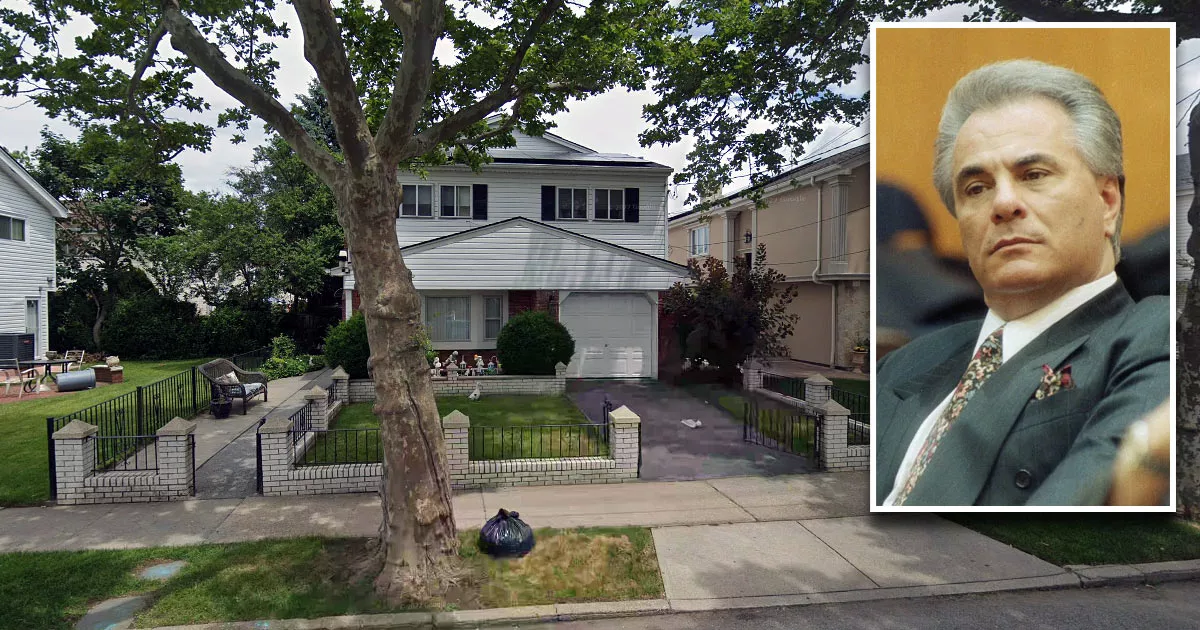
While the Gottis owned and rented various properties over the decades—including their famous Howard Beach residence in Queens and sprawling estates in Long Island—the architecture consistently served dual purposes: opulent family living and operational security.
Security and Counter-Surveillance Measures
Living under constant scrutiny by the FBI, ATF, and NYPD meant the Gotti household had to adapt. Federal agents spent years trying to pierce the perimeter of the family's properties. Inside the walls, several defensive measures were allegedly implemented:
- Advanced closed-circuit television systems monitoring every inch of the perimeter.
- High privacy fences and mature shrubbery planted to block telephoto lenses from the press and law enforcement.
- Soundproofed rooms designed to prevent electronic bugging, though federal bugs still managed to find their way into key meeting areas.
- A revolving door of loyal associates acting as perimeter security, vetting every delivery driver, contractor, and guest.
Lavish Interiors and Mob Hospitality
Despite the paranoia and constant threat of indictment, the interior of the Gotti home was famously hospitable to friends, family, and neighborhood locals. Heavy Italian marble, custom woodwork, gold-plated fixtures, and massive dining tables defined the interior aesthetic. This was a place where massive Sunday dinners were treated as sacred rituals. Family members, capos, and soldiers would gather to break bread, discuss neighborhood business, and pay fealty to the Don, all while surrounded by traditional Catholic iconography and high-end luxury goods.
Video: The Intriguing Case of Gracia Morton - Behind Mansion Walls - S02 E03

Life Inside: The Gotti Women and Domestic Reality
While John Gotti ruled the streets, the home was primarily managed by his wife, Victoria DiGiorgio Gotti, and their children, including Victoria Gotti Jr., who later became a prominent author and reality television star. Living behind the Gotti family mansion walls meant navigating a bizarre paradox of extreme wealth, familial warmth, and suffocating trauma.
Victoria Gotti has spoken candidly in interviews and memoirs about the psychological toll of growing up in the spotlight. Birthday parties, proms, and everyday childhood milestones were constantly overshadowed by federal agents sitting in unmarked cars across the street. The home was frequently raided by law enforcement armed with search warrants, turning private bedrooms and family living spaces into crime scenes in a matter of minutes.
The Tragic Shadow of Frank Gotti’s Death
Perhaps the most tragic secret embedded in the history of the Gotti properties is the lingering shadow of family tragedy. In 1980, the Gotti's 12-year-old son, Frank Gotti, was struck and killed by a car driven by neighbor John Favara. Favara was subsequently abducted and murdered—a grim reminder of the swift, merciless justice of the mob underworld.
For Victoria and John Gotti, the grief was compounded by living in the exact neighborhood where the accident occurred. The tragedy poisoned the domestic peace of the household, proving that no amount of wealth, security gates, or neighborhood intimidation could shield the family from the devastating consequences of the lifestyle they chose.
What Remains of the Legacy Today?
Decades after John Gotti's death in a federal prison medical center in 2002, the physical and cultural footprint of the family continues to evolve. Properties have been sold, renovated, or demolished, but the aura of the addresses remains firmly etched into New York lore.
Real estate speculators and curious onlookers still drive past the former Gotti haunts in Howard Beach and Long Island, hoping to catch a glimpse of a bygone era. Today, the secrets hidden behind those mansion walls are no longer guarded by armed soldiers or counter-surveillance sweeps, but they live on through true crime documentaries, memoirs, and the enduring fascination with America's most theatrical mob family.