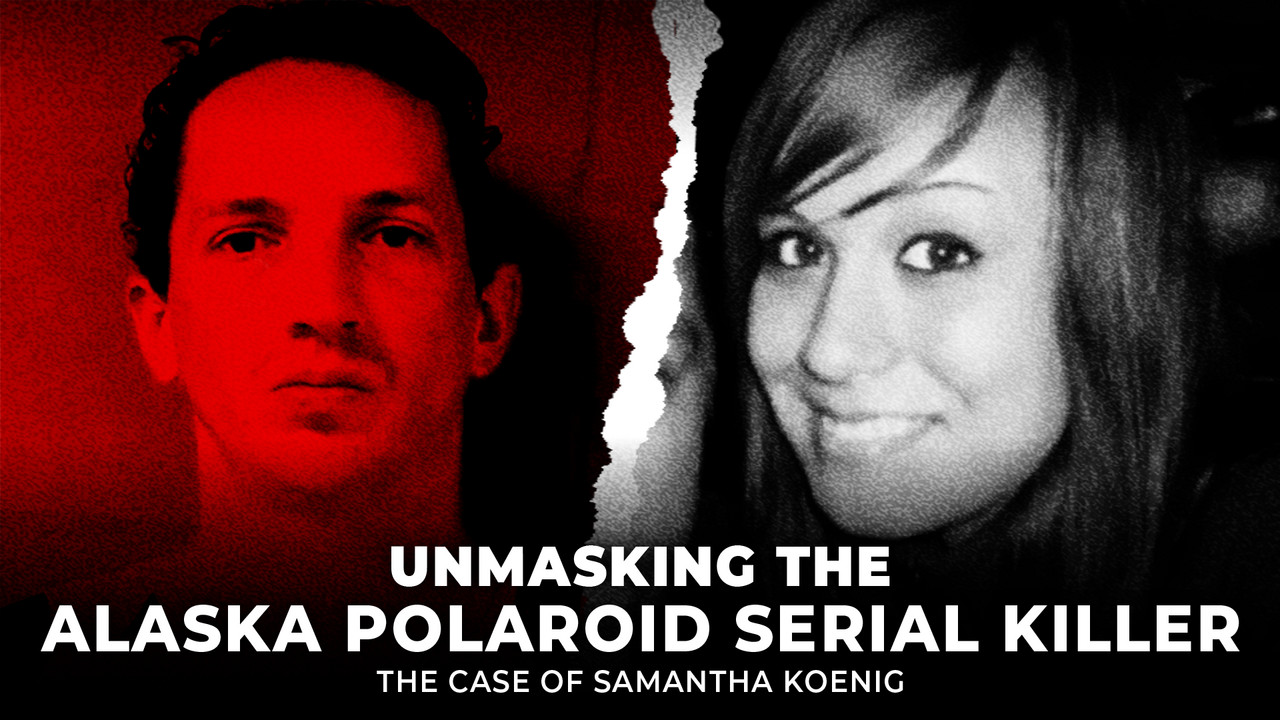
Inside the Israel Keyes Polaroid and Samantha Koenig's Case
True crime history is filled with chilling investigations, but few cases match the calculated terror of Israel Keyes. As a serial killer who operated across the United States without a signature victim type or a localized hunting ground, Keyes left very few physical clues behind. However, one specific piece of evidence remains etched into the minds of detectives and forensic experts: the ransom photo taken after the abduction of 18-year-old barista Samantha Koenig in Anchorage, Alaska. When **crime scene investigators discuss the Israel Keyes Polaroid**, they are not just looking at a photograph of a captive; they are analyzing a meticulously staged psychological trap designed to manipulate law enforcement and mask the timeline of a murder.

The Abduction of Samantha Koenig
On February 1, 2012, Samantha Koenig was working the evening shift at a small kiosk coffee stand in Anchorage. Keyes, who had been scouting victims, targeted her simply because the kiosk was isolated and vulnerable. He abducted her at gunpoint, taking her from the booth and bringing her to an abandoned shed on his property.
Tragically, Keyes raped and murdered Koenig within hours of the kidnapping. Despite having already taken her life, Keyes recognized an opportunity to exploit her absence for financial gain. He formulated a plan to make it appear as though Samantha was still alive, demanding a ransom from her family while he orchestrated his escape out of state on a pre-planned cruise.
How Crime Scene Investigators Discuss the Israel Keyes Polaroid
The centerpiece of Keyes' deception was a Polaroid photograph taken of Samantha Koenig days after she was already dead. When the photo was eventually delivered to investigators and released to the public, forensic experts and behavioral analysts scrutinized every pixel.
Propping Up the Corpse
The most disturbing aspect of the Polaroid, which frequently comes up when crime scene investigators discuss the Israel Keyes Polaroid, is the positioning of the victim. Keyes used thread or fishing line to prop open Koenig's eyelids, attempting to simulate a living gaze. He also held up a current local newspaper, the Anchorage Daily News, alongside her body to establish a specific date.
Video: Israel Keyes Part 1: Samantha

For forensic pathologists and crime scene techs, this manipulation demonstrated a chilling level of compartmentalization and calm. Keyes was not panicked; he was acting as a director staging a macabre scene to buy himself time.
Forensic Lighting and Digital Enhancement
Law enforcement agencies subjected the photograph to rigorous forensic enhancement. Investigators looked closely at the shadows, the grain of the paper, and the reflection in Koenig’s eyes. While Keyes attempted to control the narrative, the photo ultimately became a tool for the FBI to establish a timeline of his movements and verify that he possessed a Polaroid camera—a specific piece of forensic context that helped link him to other potential crimes.
The Impact on the Investigation
The release of the Polaroid and the subsequent use of Koenig's debit card across the American Southwest ultimately led to Keyes' arrest in Texas in March 2012. Yet, the photograph remains a haunting study in criminal psychopathy.
Keyes confessed to multiple murders across the country, burying "kill kits" years in advance. But it was the Anchorage barista's case that exposed his chilling methodology in high definition. When professionals in the forensic field review the case file, the Polaroid stands as a stark reminder of a predator who attempted to outsmart science and law enforcement using psychological warfare.
Conclusion
The case of Samantha Koenig and the horrifying methods of Israel Keyes changed how modern investigators view staged crime scenes and ransom demands involving missing persons. By understanding the meticulous steps Keyes took to deceive the public—most notably captured in that single, grim photograph—forensic experts continue to train future generations on how to look past a killer's deliberate illusions and uncover the brutal truth.