Inside the Leak: Why Trust Eroded Faster Than Ever in the U.S.
When unauthorized disclosures capture the national spotlight, they rarely remain isolated media events; instead, they act as stress tests on civic stability. Examining inside the leak: why trust eroded faster than ever in the U.S. reveals a profound transformation in how Americans view foundational institutions. Where leaks were once perceived as rare, conscience-driven corrections to executive overreach, modern breaches reflect a fractured political landscape where internal loyalty has collapsed and transparency is frequently co-opted as a factional weapon.

The Shift from Civic Oversight to Factional Warfare
Historically, significant unauthorized disclosures in the United States carried a solemn, whistleblowing narrative. The release of the Pentagon Papers in 1971 by Daniel Ellsberg or the exposure of Watergate by Mark Felt ("Deep Throat") served as systemic checks against high-level deceit. While controversial, these disclosures generally affirmed that the public deserved the truth when democratic accountability failed behind closed doors.
Over the last two decades, however, the architecture of institutional disclosures underwent a radical mutation. Today’s leaks rarely produce bipartisan clarity. Instead, they drop directly into hyper-polarized echo chambers designed to confirm pre-existing grievances. Whether an unauthorized document originates from the intelligence community, federal law enforcement, or political operatives, the immediate public reaction is seldom unified accountability—it is partisan weaponization.
Three Fronts of Institutional Decay
To understand the rapid acceleration of cynicism across the American electorate, one must look at how unauthorized disclosures infiltrated three distinct branches of civic and public life:
1. The Judicial Breach
For more than two centuries, the United States Supreme Court operated behind a wall of strict confidentiality. Deliberations were guarded not merely by convention, but by an understanding that judicial compromise requires room to debate without public performance. The unprecedented breach of the Dobbs v. Jackson Women's Health Organization draft opinion in 2022 permanently shattered that norm. Regardless of political alignment, the leak demonstrated that even the nation's most insulated legal body was vulnerable to ideological maneuvering, reducing public perception of the court from an impartial arbiter to a raw political arena.
2. The National Security Disconnect
Classified leaks once required meticulous document duplication and calculated media engagement. In the digital era, access has democratized in dangerous and trivial ways. Incidents like the Discord server intelligence disclosures revealed that top-tier tactical assessments could be compromised not out of deep ideological conviction, but for vanity, online clout, and peer recognition. When national secrets are broadcast in online chatrooms, the public does not see principled whistleblowing; they see administrative incompetence and systemic carelessness.
3. The Politicization of Federal Agencies
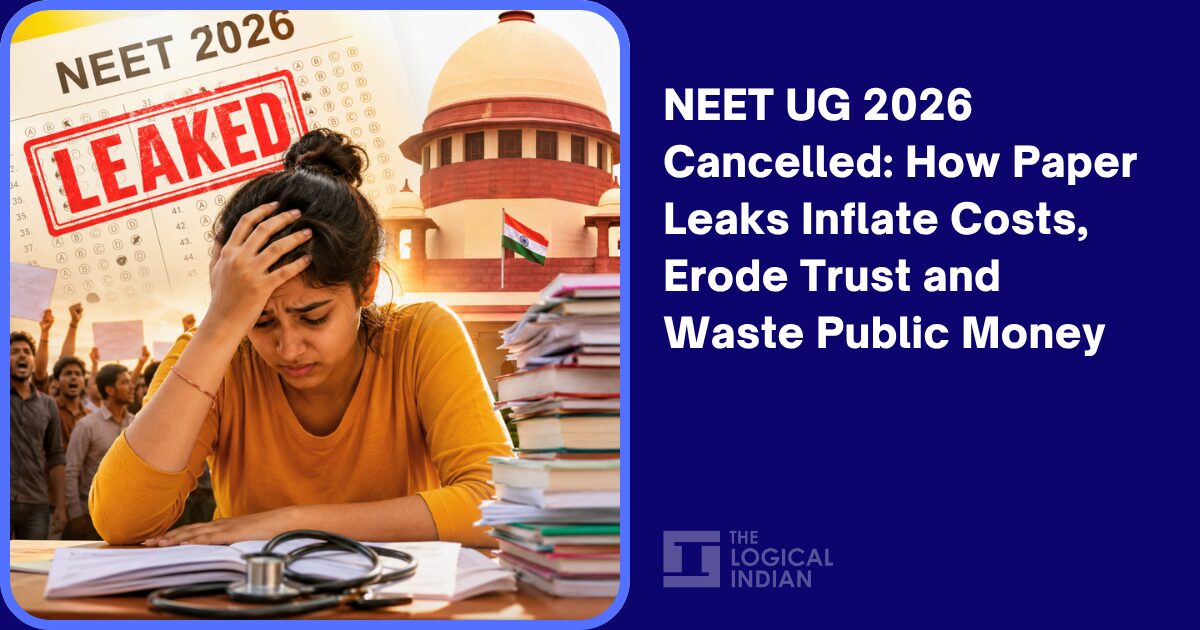
Selective leaking from within federal law enforcement and regulatory bodies has turned civil servants into perceived partisan combatants. When draft memos, internal dissent cables, or investigatory materials are strategically spoon-fed to sympathetic journalists, it fuels the narrative that permanent agency staff operate with their own political agendas rather than serving the public interest uniformly.
Inside the Leak: Why Trust Eroded Faster Than Ever in the U.S.
Understanding inside the leak: why trust eroded faster than ever in the U.S. requires looking beyond the documents themselves to the algorithmic media ecosystem that ingests them. Several converging dynamics have turned modern disclosures into accelerators of cynicism:
- Speed Over Verification: Digital journalism and social feeds prioritize the speed of breaking news over meticulous context. Raw, unverified internal drafts circulate widely before agency spokespeople or neutral analysts can verify accuracy, leaving misleading impressions that are rarely corrected in the public consciousness.
- Epistemic Bubbles: Audiences no longer evaluate a leak on its objective merits. Instead, partisan commentary networks frame every leak either as heroic resistance or an illegitimate subversion, depending entirely on which party holds power.
- The Normalization of Bad Faith: Constant unauthorized disclosures create a pervasive assumption among citizens that every institution is secretly corrupt, lying, or hiding catastrophic failures. The baseline assumption shifts from competence to chronic deception.
The Internal Toll: Paranoia and Paralysis
The damage caused by perpetual leaking is not only external; it profoundly damages the internal mechanics of governance. When public officials, military strategists, and civil servants realize that preliminary conversations, draft proposals, and frank disagreements may be leaked to press outlets tomorrow, constructive governance grinds to a halt.
Internal communication turns defensive. Leadership begins restricting information to increasingly tiny, insular circles, creating operational blind spots and alienating career professionals. Meanwhile, junior staff operate under persistent suspicion, subjected to polygraphs, electronic monitoring, and sweeping internal investigations. The resulting atmosphere of paranoia stifles innovation, discourages candid dissent, and pushes talented public servants out of government entirely.
Can Institutional Trust Be Restored?
Reversing decades of institutional erosion is an arduous process that cannot be accomplished simply by passing harsher leak-prosecution statutes or deploying aggressive surveillance on federal staff. True restoration demands structural adjustments:
- Reforming Overclassification: The federal government routinely classifies millions of documents that pose no legitimate threat to national security. By overclassifying mundane operational details, agencies obscure genuine state secrets and incentivize unauthorized dissemination. Comprehensive declassification reform restores clarity to what actually requires protection.
- Strengthening Protected Whistleblower Channels: When dedicated civil servants witness genuine corruption or statutory violations, they need robust, secure, and legally protected avenues to report wrongdoing without fearing career retaliation. When legitimate channels fail, leaks become inevitable.
- Media Accountability: News organizations must resist the urge to publish partial, uncontextualized internal materials designed solely to generate clicks or advance a political operative's agenda. Distinguishing between genuine public-interest journalism and tactical institutional sabotage is a vital editorial responsibility.
The Road Ahead
Leaks are symptoms of an institutional illness, not the cause. When transparency is denied, leaks emerge to fill the void; but when leaks are weaponized to destabilize institutions from within, civil society pays the price. Restoring trust in American democracy requires both leaders willing to lead with transparent accountability and a citizenry capable of discerning principled whistleblowing from hyper-partisan sabotage.