Inside the PA Governor's Mansion: History & Tours
Sitting along the eastern bank of the Susquehanna River in Harrisburg, the official Pennsylvania Governor’s Residence stands as both a working executive home and a living museum of the commonwealth’s heritage. Widely known to locals and travelers as the pa governor's mansion, this Georgian Revival estate serves as the formal host site for visiting dignitaries, the stage for state ceremonies, and a gathering space for Pennsylvanians of all backgrounds.

Whether you are planning a trip to Harrisburg to tour the grounds or researching Pennsylvania's civic history, the residence offers a compelling look at architecture, political life, and resilience. Here is everything you need to know about its past, interior highlights, and how you can schedule a visit.
A Brief History of the PA Governor's Mansion
Pennsylvania did not always provide an official, state-owned mansion for its chief executive. In the commonwealth's early decades, governors rented their own accommodations in Lancaster, Philadelphia, or Harrisburg after the capital settled permanently along the Susquehanna.
In 1864, the state purchased a home on Front Street in Harrisburg to serve as the first official executive residence. That home hosted governors for nearly a century before changing standards of security, modern amenities, and structural decay prompted the state to build a purpose-designed executive residence.
Ground broke on the current estate at 2035 North Front Street in 1966. Designed by the Philadelphia architectural firm George M. Ewing Company, the new mansion officially opened in 1968 during the administration of Governor Raymond P. Shafer. Built in the classic Georgian Revival style, it was constructed using Pennsylvania materials wherever possible, honoring the state’s rich industrial and natural resources.
The Flood of 1972: Hurricane Agnes
Just four years after its completion, the residence faced an extraordinary test. In June 1972, the remnants of Hurricane Agnes stalled over the Mid-Atlantic, dropping historic volumes of rain across the Susquehanna River basin.
The river breached its banks, and floodwaters poured into the mansion’s basement and first floor. Governor Milton Shapp and First Lady Muriel Shapp had to be evacuated by boat from the upper levels. Water reached a depth of nearly four feet across the ground floor, destroying valuable furnishings, carpets, and historic artifacts.
Rather than abandon the riverfront property, the commonwealth launched a massive restoration campaign led by First Lady Muriel Shapp. This effort not only restored the mansion to its former glory but also catalyzed the creation of the Governor’s Residence Committee—a group dedicated to curating fine antique furniture, art by Pennsylvania masters, and historical treasures that permanently belong to the commonwealth.
Architecture and Interior Highlights
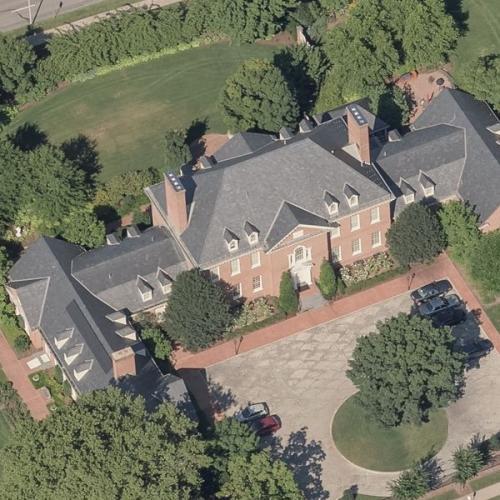
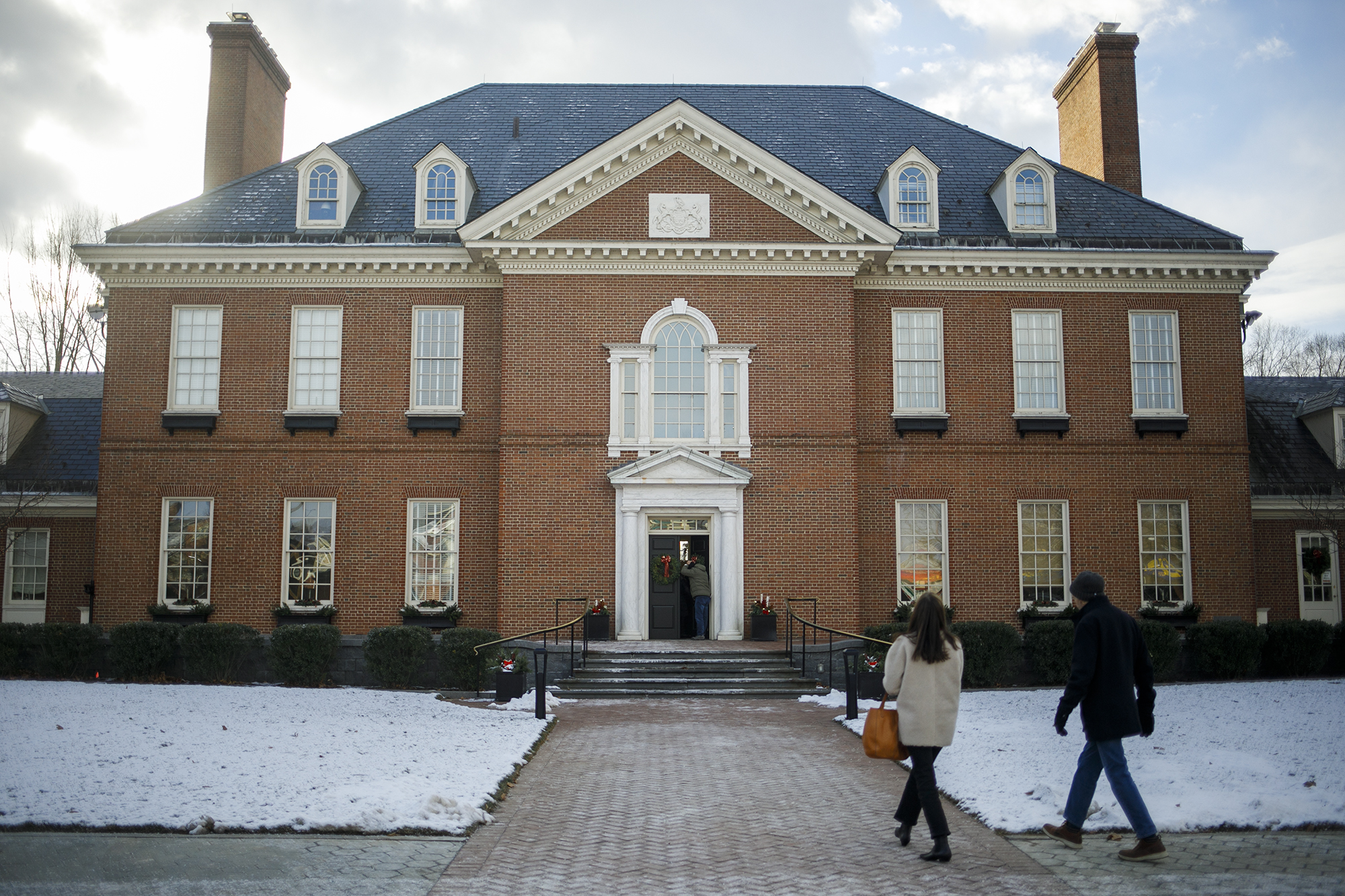
The exterior of the residence reflects classic 18th-century symmetry, featuring red brick masonry, white wood trim, towering chimneys, and a stately pedimented entrance. Inside, the nearly 30,000-square-foot facility is thoughtfully split between public reception areas on the ground floor and private living quarters on the upper floor.
The Entrance Foyer and Grand Staircase
Visitors stepping into the mansion enter a formal foyer dominated by a curved, floating staircase. The flooring consists of Pennsylvania slate and marble accents. Throughout this space, portraits of past governors and prominent historical leaders establish the building's deep connection to state governance.
The State Dining Room

One of the most impressive rooms in the home, the State Dining Room easily accommodates large banquets and formal diplomatic luncheons. Notable features include:
- Historic Chandeliers: Ornate crystal fixtures that provide soft, formal illumination.
- Pennsylvania Craftsmanship: Custom Chippendale-style mahogany tables and chairs handcrafted by local cabinetmakers.
- Fine China Services: Display cases housing historical state dinner services used by administrations dating back more than a century.
The Reception and Living Rooms
The ground floor contains multiple formal drawing rooms designed for entertaining constituents, cabinet members, and global delegations. These rooms showcase period American furniture dating from the late 18th and early 19th centuries, alongside museum-quality canvases painted by Pennsylvania artists, including members of the Brandywine School and New Hope Impressionists.
The Grounds and Riverfront Gardens
The residence occupies several landscaped acres directly facing City Island and the scenic Susquehanna River. The grounds are designed not only for beauty but also as an educational demonstration of Pennsylvania horticulture.
- The Rose Garden: A meticulously manicured traditional garden featuring numerous varieties of hybrid teas and shrubs.
- The Native Plant Garden: Installed to promote environmental stewardship, this section highlights flora native to Pennsylvania’s diverse ecosystems, supporting local pollinators.
- The Herb and Vegetable Gardens: Often utilized by the executive residence culinary team to supply fresh herbs, greens, and produce for official meals.
- Riverfront Terraces: Wide stone terraces offer sweeping views of the river and serve as reception areas during warm-weather charity and civic events.
Planning Your Visit: Tours and Public Access
The Pennsylvania Governor’s Residence is frequently referred to as “The People’s House,” and the state maintains a strong tradition of welcoming the public through its doors.
Public Guided Tours
Guided walking tours of the state rooms and gardens are generally offered during specific days of the week (typically Tuesdays and Thursdays) between spring and autumn. Tours are free of charge, but advance reservations are required due to security protocols.
- Reservations: Contact the Governor’s Residence Tour Office at least two to three weeks in advance to secure a time slot.
- Identification: All adult visitors must present a valid government-issued photo ID upon arrival at the security gate.
- Prohibited Items: Large bags, backpacks, and weapons are strictly barred from the property. Photography rules vary by area, so confirm with your docent before taking photos inside.
Holiday Open Houses
One of the most popular times to visit the mansion is during the annual December Holiday Open House. Each winter, the residence is elaborately decorated by volunteer floral designers and artisans from across Pennsylvania's 67 counties.
During these weekend open houses, reservations are often not required, though lines can be long. Visitors can view multiple themed holiday trees, listen to musical performances from high school and collegiate choirs, and sample seasonal refreshments.
A Living Civic Landmark
While governors and their families come and go with each election cycle, the PA Governor's Mansion remains a constant emblem of Pennsylvania's continuity, culture, and democratic traditions. From its recovery after the catastrophic waters of 1972 to its role in modern policymaking and community outreach, the residence bridges Pennsylvania’s storied colonial heritage with its vibrant present.