Inside the Rockefeller Net Worth & Legacy
Unveiling the Reality of the Rockefeller Net Worth

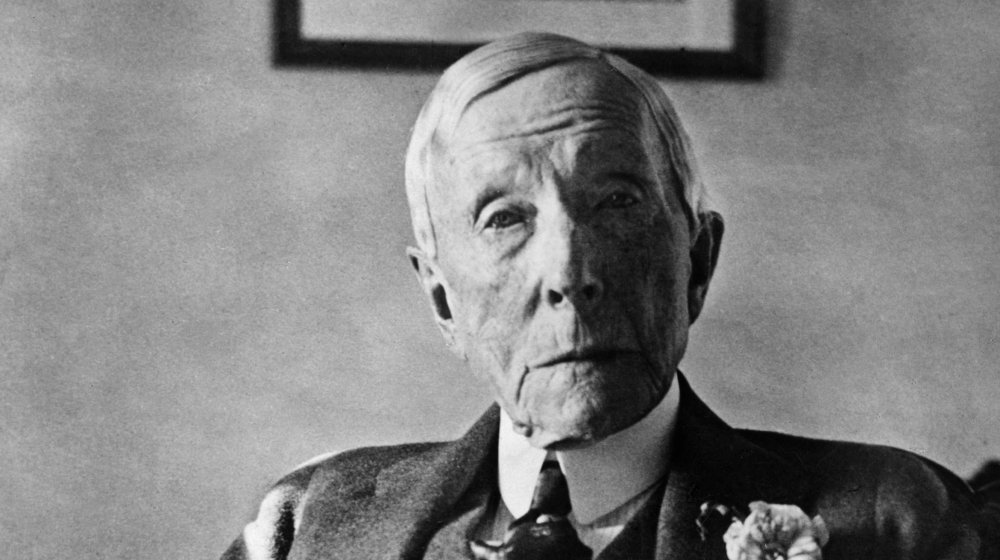
When people think of generational wealth, the Rockefeller name is almost always the first to come to mind. Built on the ruthless efficiency of Standard Oil in the late 19th and early 20th centuries, John D. Rockefeller became history’s first official billionaire. Today, the conversation surrounding the Rockefeller net worth is far more complex than a single ledger or a flashy display of modern tech-billionaire luxury. Unlike the volatile, headline-grabbing fortunes tied to crypto or social media startups, the Rockefeller wealth has survived for over a century through institutional preservation, strategic trusts, and a strict philosophy of philanthropy.
Behind the glossy images of neon-lit skylines and private islands associated with today's ultra-wealthy, the Rockefeller descendants live a life shaped by meticulous family governance. Understanding how this fortune evolved requires looking past the myth and examining the mechanics of how old money actually operates behind the scenes.
The Origins of a Dynasty: From Standard Oil to Perpetual Wealth
To understand the current scale of the family's assets, we have to look back at how John D. Rockefeller amassed his empire. By consolidating the American petroleum industry through Standard Oil, Rockefeller created a cash-generating machine that dominated the global energy market.
The Power of the Trust Fund
As antitrust laws forced the breakup of Standard Oil in 1911, Rockefeller's wealth did not diminish; it fragmented into dozens of profitable successor companies, including ExxonMobil, Chevron, and ConocoPhillips. To ensure these assets would not be squandered by future generations, Rockefeller and his advisors pioneered the modern dynastic trust.
- Asset Protection: Trusts shielded the principal inheritance from estate taxes, bad business deals, and impulsive spending.
- Professional Management: The family established early family offices to oversee investments, real estate, and legal affairs.
- Diversification: Over decades, the portfolio shifted away from heavy reliance on oil, moving into commercial real estate, global equities, and venture capital.
Because the wealth is distributed among dozens of heirs across multiple branches, there is no single "Rockefeller billionaire" who holds the entire fortune today. Instead, the collective net worth spans numerous trusts, foundations, and private holdings estimated to be in the billions, though exact figures remain private.
Behind Closed Doors: The Modern Rockefeller Lifestyle
Popular culture often associates billionaires with neon-lit mega-yachts, constant social media updates, and ostentatious displays of consumption. However, the descendants of John D. Rockefeller typically practice a very different brand of wealth.
Discretion Over Flashiness
True old-money culture values privacy and understatement. While modern tech fortunes are often built on public disruption and personal branding, the Rockefeller lineage historically favored quiet influence. Members of the family are more likely to be found serving on the boards of prestigious universities, museums, and non-governmental organizations than launching viral consumer products.

Real Estate and Estates
While the iconic family compounds—such as Kykuit in Pocantico Hills, New York—remain legendary, many of these historic properties have been handed over to public trusts or historical preservation societies. Modern family members own substantial private residences, but they generally lack the hyper-visible, sprawling portfolios of newer billionaires who buy and sell mega-mansions on a whim.
Philanthropy as a Family Business
You cannot discuss the Rockefeller name without addressing their commitment to strategic philanthropy. John D. Rockefeller famously stated that the best way to do good is to help people help themselves. This philosophy transformed charitable giving from simple almsgiving into a calculated, outcomes-driven enterprise.
The Rockefeller Foundation: Founded in 1913, this institution pioneered public health initiatives, funding the eradication of hookworm and contributing to the development of the yellow fever vaccine.
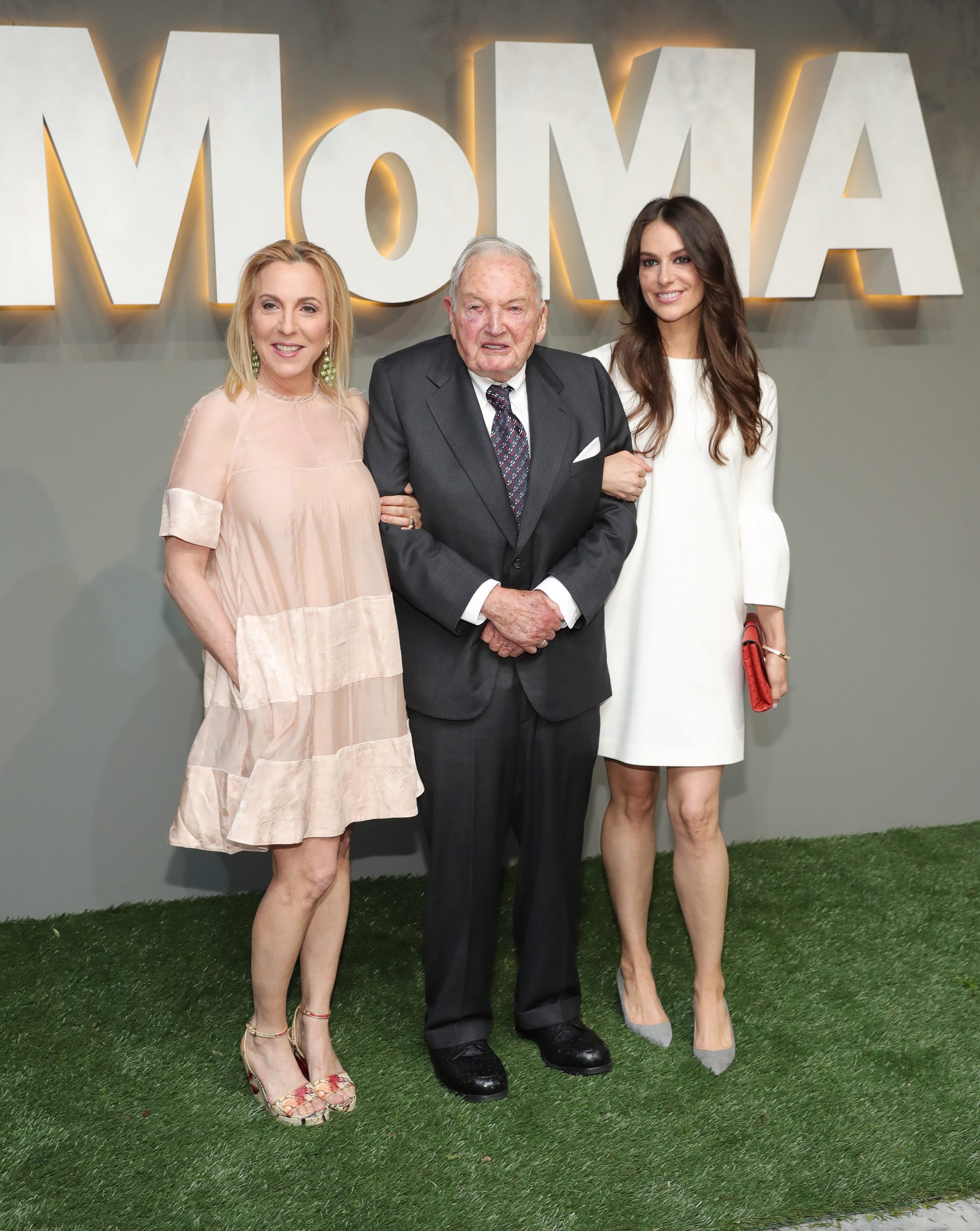
Education and Culture: Major institutions like the University of Chicago, the Museum of Modern Art (MoMA), and Rockefeller University were heavily funded or founded by the family.
Modern Shifts: In recent years, younger branches of the family have directed funds toward renewable energy transitions, climate change research, and criminal justice reform, aligning historic capital with contemporary social causes.
How Old Money Differs from New Silicon Valley Wealth
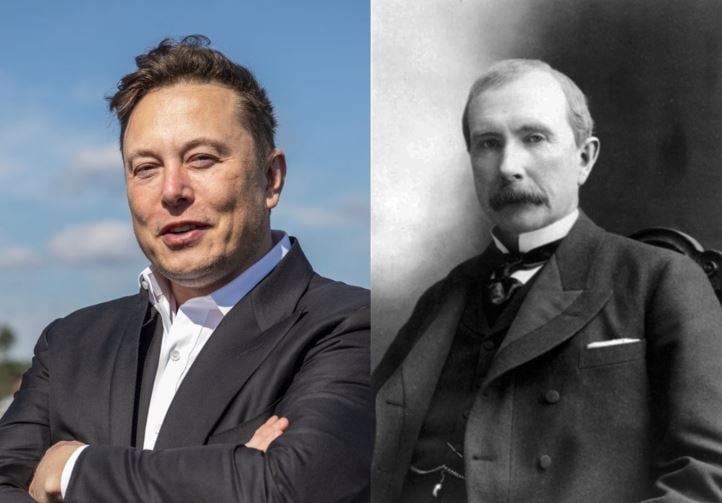
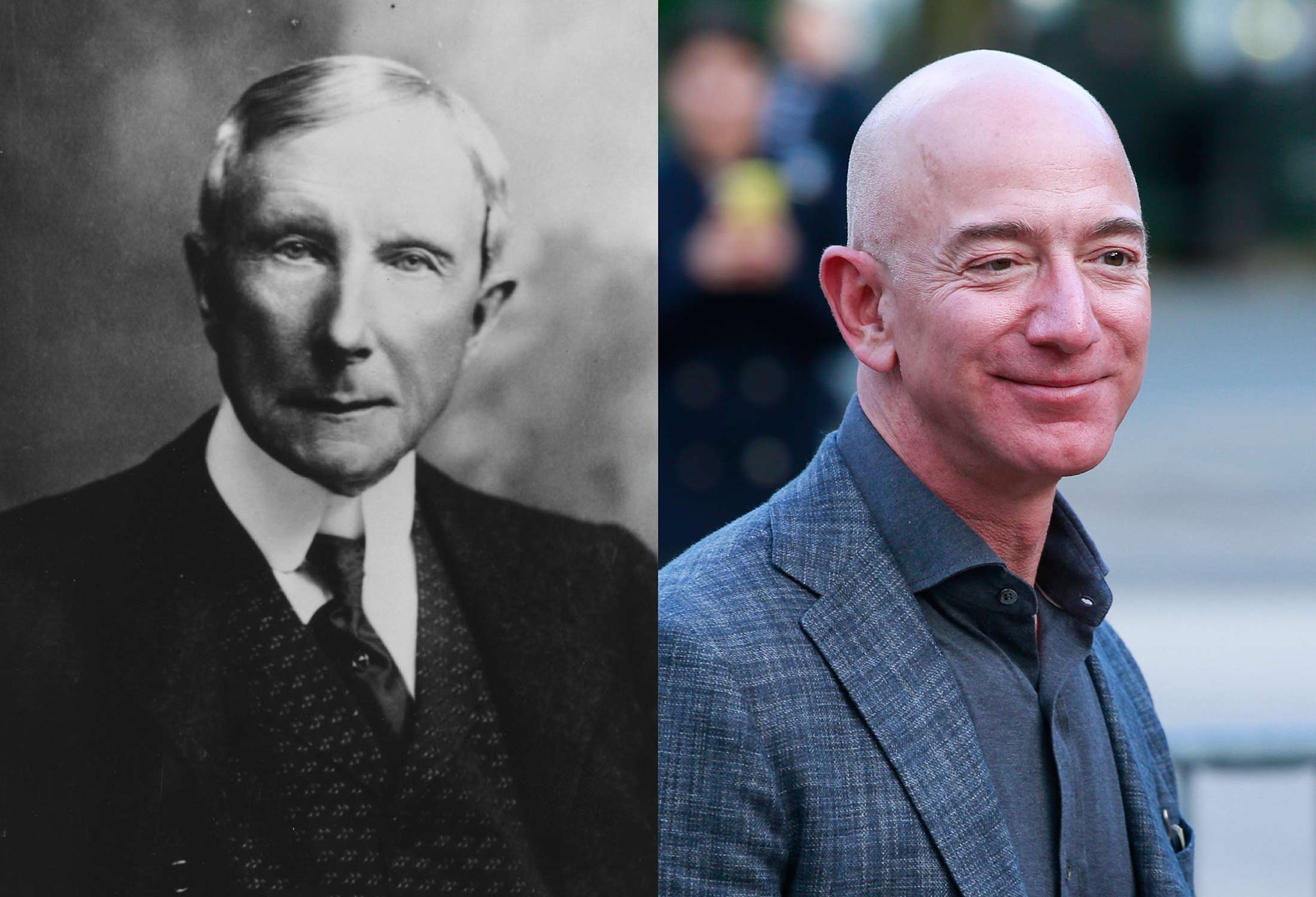
The contrast between the Rockefeller legacy and today’s neon billionaires—the founders of AI firms, social networks, and e-commerce giants—is stark. New money often arrives with explosive velocity, creating young founders who navigate wealth in the public eye. Old money, by contrast, is a marathon runner.
The Rockefeller family’s survival across generations comes down to institutionalization. They treated wealth not as personal property to be consumed, but as an enduring trust managed for the benefit of both the family and society. While modern tech billionaires often act as individual venture capitalists, the Rockefellers institutionalized their investments through dedicated family offices that employ historians, accountants, and legal experts to safeguard the legacy.
The Enduring Legacy of the Rockefeller Name
The fascination with the Rockefeller net worth speaks to a broader human curiosity about power, longevity, and wealth. While modern wealth trends lean toward digital assets and rapid market valuations, the Rockefeller dynasty proves that true financial longevity requires patience, institutional safeguards, and a commitment to civic duty. Behind the scenes, the modern descendants of America's first billionaire navigate a world vastly different from the one John D. knew, yet their foundational playbook—discretion, diversification, and structured philanthropy—remains the gold standard for generational wealth preservation.