Inside the Rollin 50s Crips: History and Impact
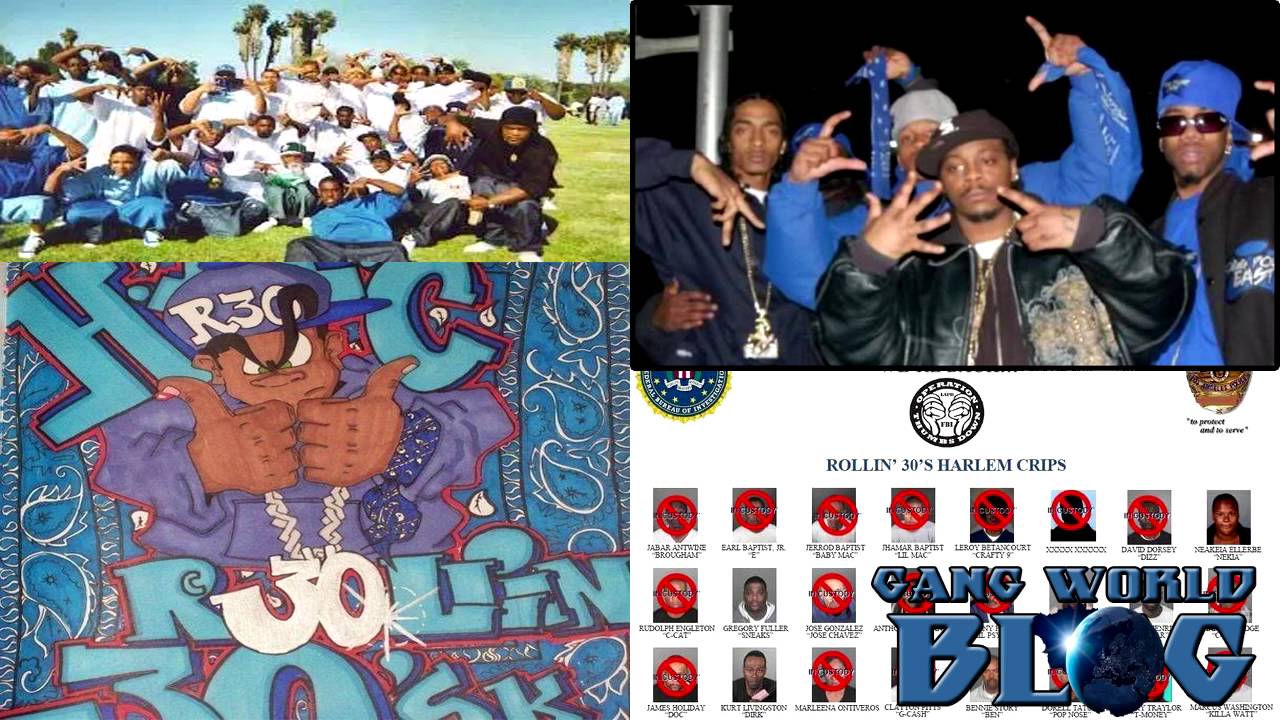
The rollin 50s crips represent one of the most recognized street gang factions to emerge from the South Los Angeles street landscape during the late twentieth century. Formed during an era of rapid street-level factionalization, the group established deep roots across several residential blocks, leaving an enduring mark on local history, law enforcement strategy, and community intervention efforts.

Understanding the history of the Rollin 50s requires examining the social conditions of Southern California in the 1970s, the wider fragmentation of street organizations, and the shifting geography of South Los Angeles. This overview analyzes the gang's formation, organizational structure, prominent rivalries, and ongoing community transitions.
Origins and Rise of the Rollin 50s Crips
The origins of the Rollin 50s trace back to the mid-to-late 1970s. Following the initial rise of the original Crip movement started by Raymond Washington and Stanley "Tookie" Williams, individual neighborhoods began naming their own distinct sets based on geographic landmarks, street numbers, or parks.
As the original Crip coalition fractured into internal factions throughout South Central Los Angeles, street corners organized locally for mutual defense and neighborhood dominance. Youth living along the numbered streets between 50th and 60th Streets formed collective identities, aligning themselves under the emerging "Rollin" and "Neighborhood Crip" umbrellas.
Like many urban street organizations of that era, the group's expansion was accelerated by socio-economic challenges in South Los Angeles, including:
- The decline of manufacturing jobs and economic disinvestment in urban neighborhoods.
- Under-resourced public school systems and limited youth social services.
- The rapid proliferation of street-level illicit markets throughout the early 1980s.
Territory and Sub-Cliques
The historic home territory of the Rollin 50s is centered in the western section of South Los Angeles, primarily positioned between major thoroughfares such as Western Avenue, Normandie Avenue, and Vermont Avenue, stretching across the numbered streets of the 50s.
Rather than functioning as a single, top-down entity, the set is organized into smaller neighborhood sub-cliques, often delineated by specific blocks:
- 55 Neighborhood Crips (55 NHC): Centered around 55th Street, one of the most prominent components of the collective.
- 57 Neighborhood Crips (57 NHC): Operating along 57th Street.
- 58 Neighborhood Crips (58 NHC): Situated primarily near 58th Street and surrounding residential arteries.
These individual blocks share common alliances and mutual rivalries, identifying under the broader umbrella of the "Rollin Os" (Rollin 30s, 40s, 50s, 60s, 90s, and 100s) and the "Neighborhood Crip" (Deuces) card.
Alliances and Conflicts
The internal politics of Los Angeles street gangs are defined by intricate systems of alignment and conflict. The Rollin 50s adhere strictly to the Neighborhood Crip tradition, which heavily shapes their external relationships.
Key Alliances
Video: “50Bang Takes Me to the HEART of the ROLLIN 50s & 57 NHC – Raw LA Hood Tour”
The Rollin 50s maintain close ties with other sets operating under the Neighborhood banner, most notably the neighboring Rollin 40s and Rollin 60s. These groups frequently share social networks, prison alignments, and mutual opposition to rival coalitions.
Major Rivalries
Throughout their history, the most intense conflicts involving the Rollin 50s have stemmed from two distinct categories of opposition: cross-town Blood rivalries and internal Crip conflicts.
- The Gangster Crip (Trays) Feud: A major driver of street conflict in South Los Angeles since 1979 has been the war between Neighborhood Crips and Gangster Crips. The Rollin 50s have historically engaged in intense conflict with sets under the Gangster banner, particularly the Eight Tray Gangster Crips (ETGC) and 52 Gangster Crips.
- The Hoover Conflict: Proximity to various Hoover Criminal sets (particularly the 52 and 59 Hoover sets) has made this corridor one of the most heavily contested territorial borders in South Los Angeles.
- Blood Sets: As Crips, the set has also engaged in protracted feuds with area Blood sets, including the Van Ness Gangster Brims and the Inglewood Family Gangster Bloods.
Law Enforcement Responses and Injunctions
During the height of gang violence in Los Angeles during the late 1980s and 1990s, law enforcement agencies implemented targeted suppression tactics. The Los Angeles Police Department (LAPD) and the Los Angeles County District Attorney's Office utilized multi-agency gang task forces, federal racketeering charges, and civil gang injunctions.
Civil gang injunctions served as court orders restricting known members from gathering in public "safety zones," congregating in pairs, or possessing cell phones and pagers in public. While city officials credited injunctions with driving down visible street-corner activity, community advocates and civil liberties organizations argued that they encouraged racial profiling and hindered rehabilitation opportunities for formerly incarcerated youth.
Community Intervention and the Modern Era
Over the past two decades, South Los Angeles has experienced notable shifts in crime rates and neighborhood demographics. Community-based organizations, former street figures, and intervention workers have played an essential role in altering the trajectory of the area.
Gang Intervention and Peace Treaties
Local peace initiatives, led by respected community elders and intervention groups such as Unity One, have worked to establish informal truce protocols. These efforts focus on interrupting rumors before retaliatory violence occurs, securing safe passages for school children, and mediating disputes between rival factions.
Demographic and Economic Evolution
The neighborhoods historically claimed by the Rollin 50s have experienced significant demographic transformation. Historically Black residential areas have become increasingly Latino, altering the cultural makeup of the community. In addition, rising real estate costs across Los Angeles County have triggered gentrification and out-migration to the Inland Empire and Antelope Valley, shrinking the traditional recruiting pools for historic street sets.
While the cultural legacy and neighborhood graffiti of the Rollin 50s Crips remain visible, modern community initiatives and grassroots organizing continue to shift the focus toward educational programs, employment access, and lasting urban peace.