Inside the Surprise: Fans Aren’t Just Observing
When a sudden narrative twist, a stealth album drop, or an unannounced game release breaks the internet, commentary often treats the audience’s eruption as spontaneous disbelief. Cultural critics marvel at the sheer volume of tweets, reaction streams, and think pieces generated in a matter of minutes. Yet, examining what really happens inside the surprise: fans aren’t just observing—they are already invested. The shockwave is never built on passive spectatorship; it is fueled by weeks, months, or even years of accumulated emotional capital, speculative theorizing, and community participation.

To understand why modern entertainment surprises generate such massive cultural impact, creators, marketers, and storytellers must look beyond the immediate moment of revelation. The viral explosion is merely the match striking the surface; the fandom has already laid the kindling.
The Myth of the Passive Spectator
For decades, legacy broadcast models operated on an assumption of linear consumption. Viewers sat on couches, turned on television sets, read novels, or bought cinema tickets as passive recipients of artistic vision. Reactions were private, localized, and largely unmeasurable until box office returns or ratings arrived days later.
Digital connectivity dismantled that dynamic. Today, audience engagement operates under what media scholar Henry Jenkins famously coined as "participatory culture." Audiences do not wait to be fed meaning; they actively dismantle, interpret, and reconstruct media in real time. Between official releases, fan communities maintain a continuous state of low-simmer engagement through:
- Collaborative Theorycrafting: Deconstructing micro-details in trailers, frame-by-frame background lore, and cryptic creator posts on platforms like Discord and Reddit.
- Creative Derivative Works: Producing fan fiction, digital art, video essays, and remixes that expand fictional universes far beyond their canon borders.
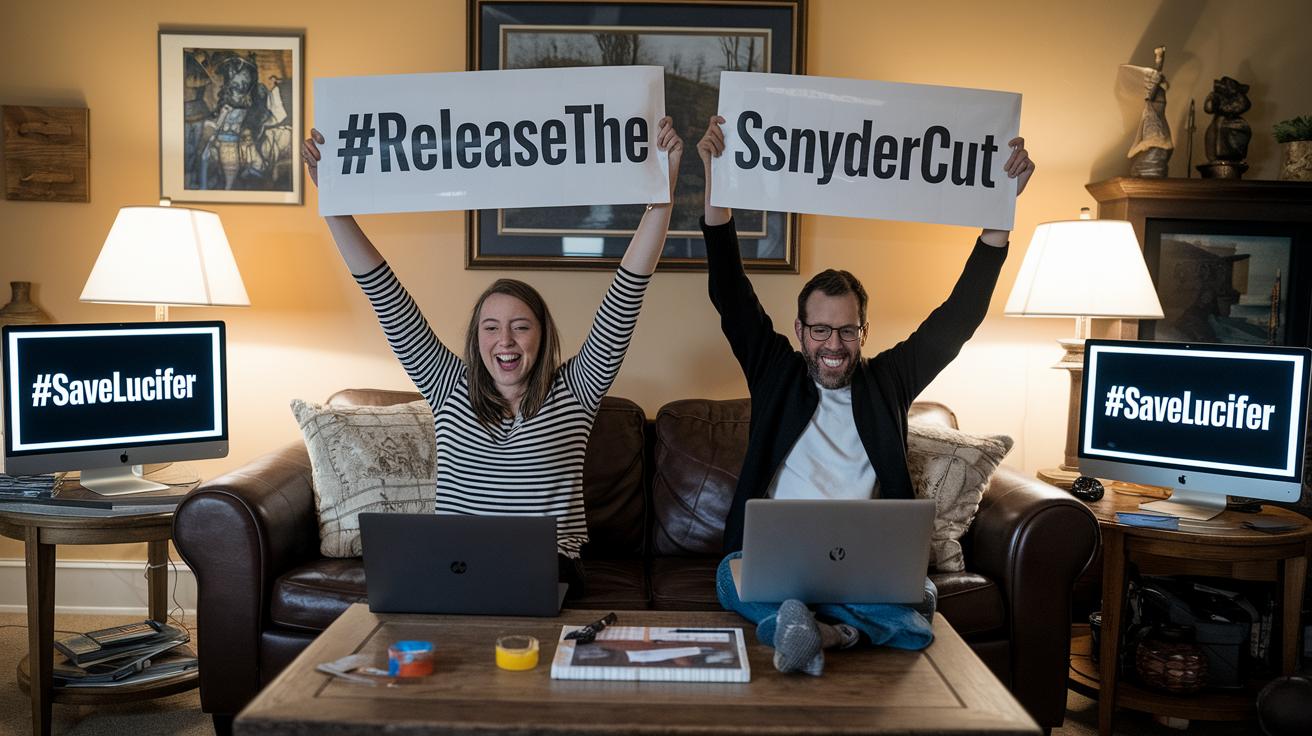
- Reputational Staking: Publicly championing specific creative outcomes, pairing their personal digital identities with the success or failure of their favorite properties.
When an unexpected development occurs, it does not land in an emotional vacuum. It lands in an ecosystem primed to respond instantly with deep contextual knowledge.
Inside the Surprise: Fans Aren’t Just Observing—They Are Already Invested
Why does a surprise hit so differently when fans possess skin in the game? The psychology of audience investment relies on three distinct layers of psychological ownership: validation, subversion, and communal celebration.
1. The Thrill of Validation and Subversion
When audiences invest cognitive effort into anticipating an outcome, any plot reveal or product announcement directly engages their hypotheses. If a surprise confirms a niche, long-held fan theory, the emotional reward is not merely entertainment—it is intellectual vindication. Conversely, if a reveal cleverly subverts a prevailing theory, it triggers awe because the audience understands exactly which assumptions were upended. Passive observers cannot feel this friction; it requires previous analytical labor to appreciate the misdirection.
2. The Amplification of Shared Social Currency
Modern surprises are inherently decentralized social events. When a creator drops unexpected content, the race to interpret, contextualize, and produce content around that surprise creates instant social currency. Fans who have followed the crumbs know the background references instantly, allowing them to lead the digital conversation. Their investment transforms them from simple consumers into cultural curators for the wider public.
3. Co-Authorship and Emotional Equity

Fandoms increasingly perceive their favorite intellectual properties through a lens of psychological co-ownership. When audiences support an indie developer across years of early-access patches, or dissect cryptic ARG (alternate reality game) clues left by a music artist, they feel responsible for the ecosystem's survival. A major twist or surprise announcement feels like a milestone they helped manifest.
Real-World Blueprints: Where Investment Fueled the Shock
Examining recent milestones across media reveals how pre-existing investment transforms standard marketing into seismic cultural moments.
The Stealth Music Drop
When high-profile artists release entire albums at midnight without conventional promotional singles or press tours, casual observers call it an overnight miracle. In reality, these campaigns rely entirely on an intensely primed base. The artist drops breadcrumbs—subtle aesthetic shifts on social profiles, website source-code countdowns, and lyrical motifs—ensuring that dedicated listeners are already monitoring the horizon. When the switch flips, the core base mobilizes instantly, driving streams, memes, and narrative context before traditional media outlets can publish a single review.
The Surprise Gaming Launch
In the interactive entertainment sector, "shadow drops"—announcing and releasing a title on the exact same day—have become an effective weapon against marketing fatigue. When a surprise title launches out of nowhere and captures millions of players within a weekend, it succeeds because developers tapped into latent community desires. The audience was already waiting for an answer to a specific mechanical itch or franchise void; the surprise simply opened the floodgates.
How Creators and Brands Can Build Real Investment
For storytellers, product developers, and brand strategists, orchestrating a meaningful surprise requires shifting focus away from the shock itself and toward the groundwork preceding it. If the audience has not built an emotional stake, a surprise is just noise.
- Leave Meaningful Negative Space: Avoid over-explaining every detail of your universe or narrative. Audiences build investment in the gaps where speculation thrives. Give them room to wonder, debate, and project their own ideas.
- Reward Attentive Engagement: Plant authentic, coherent clues rather than random red herrings. A great payoff makes the audience feel clever for having paid close attention, reinforcing their desire to stay invested in future releases.
- Acknowledge Community Dialogue: You do not need to let fan consensus dictate creative decisions, but acknowledging their engagement creates a dialogue. When fans know their collective voice is heard, their commitment deepens exponentially.
- Treat Surprises as Milestones, Not Gimmicks: A surprise should never exist purely for momentary shock value. It must carry genuine narrative, functional, or emotional weight that alters the trajectory of the ongoing relationship between audience and creator.
The Evolution from Audience to Ecosystem
The dividing line between spectator and participant will only continue to dissolve. As interactive media, decentralized communities, and direct creator-to-consumer channels expand, the concept of the detached viewer is becoming obsolete.
The next time an unexpected reveal dominates your timeline, look past the initial fireworks. The real story lies in the unseen labor of community speculation, the quiet accumulation of anticipation, and the collective passion of an audience that was never just watching from the sidelines. The surprise works not because it catches people off guard, but because it lands in hearts that were already wide open.