Insider Guide to Beltrami County Court Proceedings
Stepping into a courthouse can be an overwhelming experience, whether you are attending a hearing for a traffic violation, resolving a civil matter, or facing a criminal charge. If you have an upcoming date at the Beltrami County Judicial Center in Bemidji, understanding local operations is the best way to reduce anxiety and prepare effectively. This insider guide to Beltrami County court proceedings offers practical, step-by-step insight into how the local court functions, what to expect on the day of your appearance, and how to navigate the system smoothly.
Understanding the Beltrami County District Court
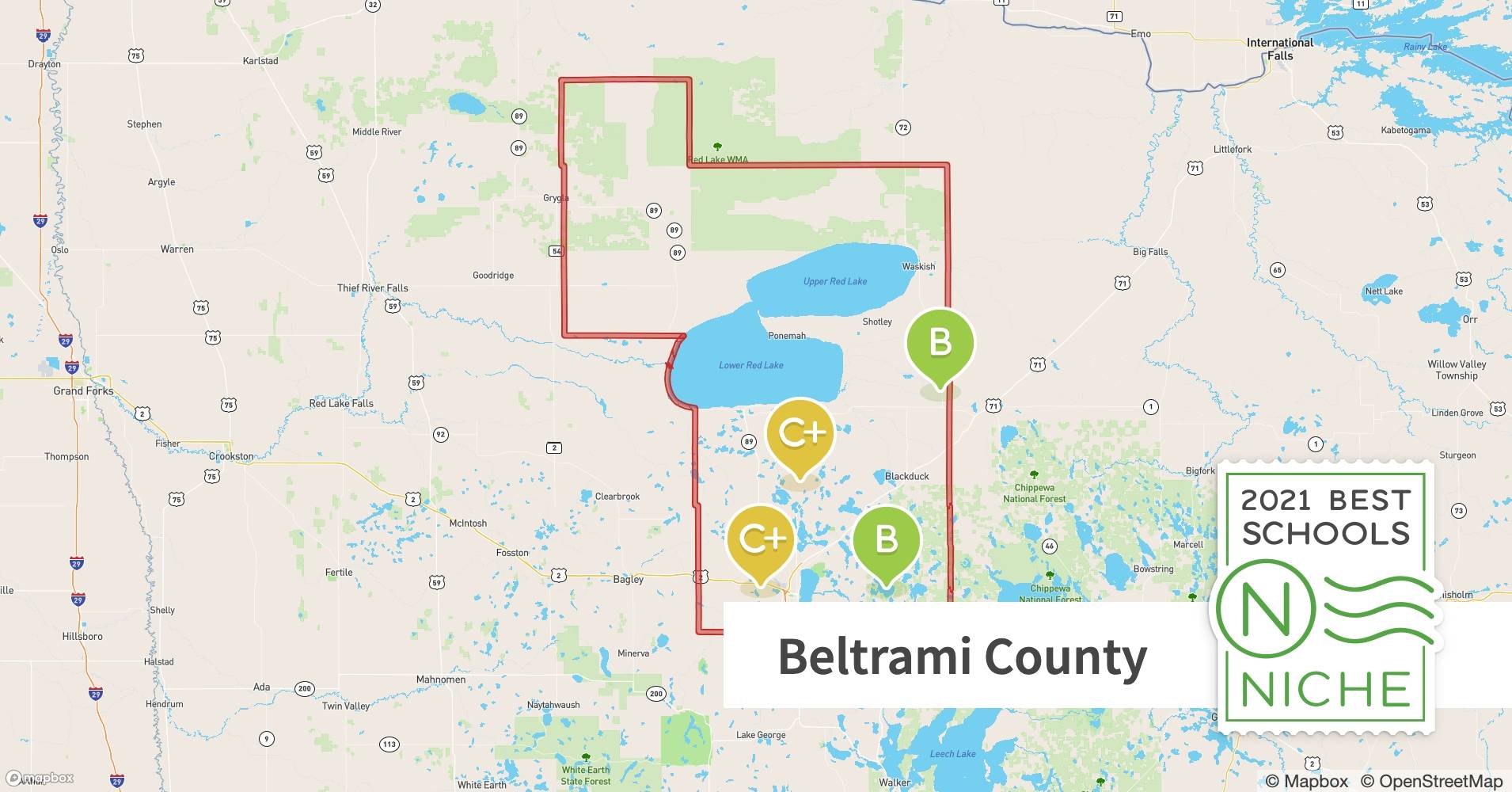
Beltrami County is part of Minnesota’s Ninth Judicial District, one of the geographically largest judicial districts in the state. The Beltrami County District Court has general jurisdiction, meaning its judges hear a wide range of legal disputes, including criminal prosecutions, civil litigation, family law cases, juvenile matters, and probate proceedings.
Judicial officers serving Beltrami County preside over everything from minor conciliation court (small claims) disagreements to major felony jury trials. While state statutes and the Minnesota Rules of Court standardize legal protocols statewide, day-to-day administrative procedures often have local nuances that can catch unprepared litigants off guard.
Courthouse Location, Parking, and Arrival
The Beltrami County Judicial Center is located in downtown Bemidji at:
Beltrami County Judicial Center
600 Minnesota Ave NW
Bemidji, MN 56601
Public parking is available in designated surface lots adjacent to the government complex and along surrounding downtown streets. During peak morning hours—especially between 8:00 AM and 9:30 AM when initial appearance calendars are called—parking spots fill rapidly. Plan to arrive at least 30 minutes before your scheduled appearance time to allow for parking, navigation, and security screening.
Building Security and Check-In
Upon entering the facility, all visitors must pass through a security checkpoint staffed by court security officers or Beltrami County Sheriff's deputies. You will walk through a metal detector, and any bags, purses, or briefcases will run through an X-ray scanner.
- Prohibited items: Weapons of any kind (including pocket knives, pepper spray, and multi-tools) are strictly forbidden and will be confiscated.
- Electronic devices: Cellphones are generally permitted into the building, but they must be turned completely off or placed on silent mode before entering any courtroom. Photography, video recording, and audio recording without explicit judicial permission are strictly illegal.
- Daily docket monitors: Once past security, look for electronic display screens in the lobby. These monitors display daily court calendars, listing defendant or party names, assigned judges, courtroom numbers, and scheduled hearing times.
An Insider Guide to Beltrami County Court Proceedings by Case Type
Court dockets in Bemidji are organized according to case categories. The atmosphere and timeline of your appearance will vary depending on the type of matter before the judge.
1. Criminal Arraignments and First Appearances
First appearances typically handle bail determinations, conditions of release, and formal advisement of rights. If you are not in custody, you will take a seat in the gallery until your name is called. The presiding judge will verify your identity, confirm that you understand the formal charges, and assess whether you will hire a private attorney, apply for a public defender, or represent yourself.
2. Omnibus and Pretrial Hearings

For gross misdemeanor and felony offenses, omnibus hearings serve as a checkpoint to determine evidentiary challenges, constitutional issues, and trial readiness. Many cases reach plea agreements during settlement conferences or pretrials, avoiding the need for a full jury trial.
3. Family Law and Domestic Proceedings
Hearings concerning divorce, child custody, parenting time, and child support often occur in a more intimate courtroom setting or hearing room. The court frequently directs parties to attempt alternative dispute resolution (ADR) or mediation before setting contested custody or property matters for a formal evidentiary trial.
4. Conciliation Court (Small Claims)
Designed for civil disputes under Minnesota's statutory limit (currently up to $15,000), conciliation court hearings are less formal than standard district court trials. Parties often represent themselves, presenting receipts, contracts, photographs, and witness statements directly to the referee or judge.
In-Person vs. Remote (Zoom) Hearings
Following statewide judicial branch guidelines, Beltrami County utilizes a hybrid model for court appearances. Many administrative hearings, minor pretrials, and initial status conferences take place remotely via Zoom, whereas evidentiary hearings, settlement conferences, and trials are held in person.
Key Remote Hearing Guidelines
- Verify your hearing type: Check your court notice thoroughly. It will explicitly state whether your hearing is in-person or remote. If it is via Zoom, the notice provides the meeting ID and passcode.
- Display your real name: When logging into the Zoom waiting room, ensure your display name matches your legal name as listed on the court docket. Nicknames or device defaults (like "iPhone") make it difficult for the court clerk to identify you.
- Dress and environment: Treat a remote hearing with the same seriousness as an in-person appearance. Find a quiet, well-lit indoor location free from background noise, avoid driving, and wear clean, professional attire.
Courtroom Decorum and Etiquette
Judges in Beltrami County demand a high standard of respect in their courtrooms to maintain order and dignity. Knowing how to present yourself can make a measurable difference in how you are perceived by court staff and the presiding judge.
- Attire: Business casual or neat casual clothing is standard. Avoid hats, sunglasses, torn clothing, tank tops, and shirts containing offensive language or imagery.
- Addressing the Bench: Always stand when the judge enters or exits the room, as well as when addressing the judge directly. Refer to the judge as "Your Honor."
- Speaking: Do not interrupt the opposing party, their counsel, or the judge. Wait until it is your turn to speak, and speak clearly into the courtroom microphones so the digital recording system captures every word.
- Children: Unless a minor is directly involved in the proceeding or specifically requested by the court, avoid bringing young children into the courtroom, as proceedings can be lengthy and emotionally charged.
Accessing Beltrami County Court Records
If you need to look up your upcoming hearing date, view case dispositions, or confirm case filing details, Minnesota provides public access through statewide digital tools:
- Minnesota Public Access (MPA) Remote: You can access non-confidential court records online through the Minnesota Judicial Branch website. Search by case number or party name to view register of actions entries.
- Court Administration Office: For certified copies of orders, divorce decrees, or judgment rolls, visit the Beltrami County Court Administration counter on the main level of the judicial center. You can also contact court administration by phone during standard weekday business hours.
Preparation Checklist for Your Court Date
Proper preparation minimizes surprises. Keep this checklist handy as your scheduled date approaches:
- Confirm the location: Re-verify whether the appearance is at the Bemidji courthouse or online via Zoom.
- Organize your documentation: Bring printed copies of any evidence, police reports, financial records, proof of completion (such as treatment or community service), and written notes.
- Contact your attorney beforehand: Avoid waiting until the minutes before your hearing to discuss strategy. Speak with your counsel several days in advance.
- Arrange transport and childcare: Court schedules can be unpredictable; calendars often run long, so budget extra time into your day.
Navigating the legal process in northern Minnesota requires diligence and an understanding of administrative expectations. By respecting courthouse protocol, arriving early, and presenting your case cleanly, you position yourself for the fairest possible hearing in Beltrami County District Court.