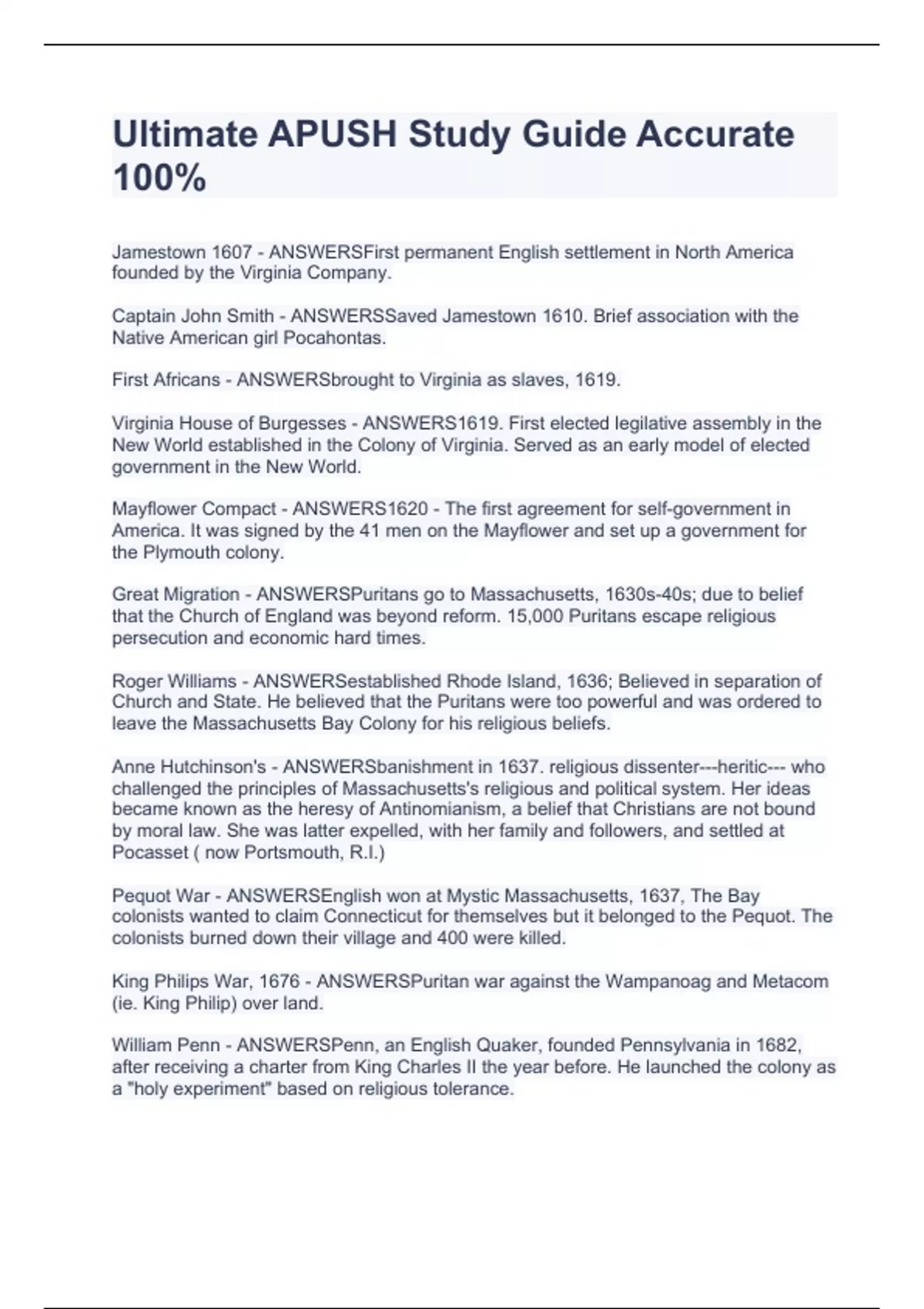
Instant APUSH Study Aid for Busy Students
Balancing AP U.S. History (APUSH) with sports, jobs, extracurriculars, and other demanding classes can feel like an impossible puzzle. When you only have thirty minutes between track practice and a shift at work, reading a massive textbook chapter front to back simply isn't an option. You need an Instant APUSH Study Aid for Busy Students that cuts through the historical clutter, targets high-yield themes, and helps you retain complex chronological frameworks in record time.

This guide explores how to leverage rapid-review tools, structured frameworks, and micro-learning strategies to conquer the AP exam without sacrificing your sleep schedule.
Why Traditional Study Methods Fail Busy Students
Many students approach APUSH by highlighting entire pages of a 900-page textbook or writing exhaustive outlines. While thorough, this method requires a massive time investment that most high schoolers do not have. APUSH is not a trivia contest about memorizing the dates of every minor skirmish; the College Board tests your ability to connect themes, analyze documents, and understand cause-and-effect relationships.
When you are time-crunched, passive reading creates an illusion of competence. You finish a chapter feeling accomplished, but when faced with a Stimulus-Based Multiple Choice Question (SBMC) or a Long Essay Question (LEQ), your mind goes blank. Efficiency requires shifting from passive reading to active, targeted recall.
Your Instant APUSH Study Aid Toolkit
To maximize your study sessions, replace heavy textbooks with high-impact, bite-sized resources designed for rapid absorption.
1. The Chronological Skeleton Framework
Instead of learning every single event, master the overarching eras defined by the College Board. Break American history into its nine official periods and memorize three core developments for each:
- Major Turning Points: Wars, economic depressions, or massive legislative acts.
- Continuity and Change: What stayed the same for marginalized groups, and what shifted politically or economically?
- Causation Triggers: The primary catalyst that ended one era and began another (e.g., how the French and Indian War led directly to taxation without representation).
2. Digital Flashcards for Micro-Sessions
Turn dead time into study time. Use mobile flashcard apps during your bus ride, while waiting in line, or during commercial breaks. Focus your digital decks exclusively on key terms, Supreme Court cases, and major legislation rather than random trivia. If a flashcard takes more than ten seconds to review, break the concept down into smaller pieces.

3. The 'SPICE-C' Thematic Lens
When analyzing any historical era quickly, run it through the College Board's official thematic acronym: SPICE-C (Social structures, Politics, Interaction with the environment, Cultural developments, Economic systems, and Technology). If you can quickly explain how these six themes manifested in the Gilded Age or the New Deal, you will have enough conceptual depth to handle complex free-response prompts.
High-Yield Exam Strategies for the Time-Crunched
Knowing the history is only half the battle; you also need to know how the exam is scored. When your prep time is limited, focus heavily on the mechanics of the test.
Master the DBQ Rubric: The Document-Based Question is the single heaviest hitter on your score report. Even if you are shaky on exact historical details, memorizing the point structure for the DBQ thesis, contextualization, and sourcing (HIPP analysis) can secure a passing score.
Practice Process of Elimination: On multiple-choice sections, look for extreme words (always, never, completely) which are usually incorrect. Train yourself to identify the specific historical reasoning skill the question is testing—such as causation or comparison—to narrow down choices faster.
Use Prompt-Driven Writing Outlines: Instead of writing full 5-paragraph essays during practice, spend 10 minutes writing detailed outlines for past LEQ and DBQ prompts. This builds your structural muscle memory without burning out your writing hand.
How to Structure a 20-Minute Daily APUSH Sprint
Consistency beats cramming every single time. Dedicate just 20 to 30 minutes a day to a focused sprint using this exact routine:
- Minutes 1–5 (Review): Quick-fire review of digital flashcards from the previous day's unit.
- Minutes 6–15 (Targeted Study): Read a focused summary sheet, period overview, or watch a 10-minute video recap from a trusted educator like Heimler's History.
- Minutes 16–20 (Application): Answer two or three practice stimulus-based multiple-choice questions and check the rationales immediately.
By treating your APUSH prep like physical conditioning—short, intense, and regular—you build durable historical comprehension. You do not need hours of uninterrupted free time to succeed; you just need the right instant study aids and a commitment to working smarter, not harder.