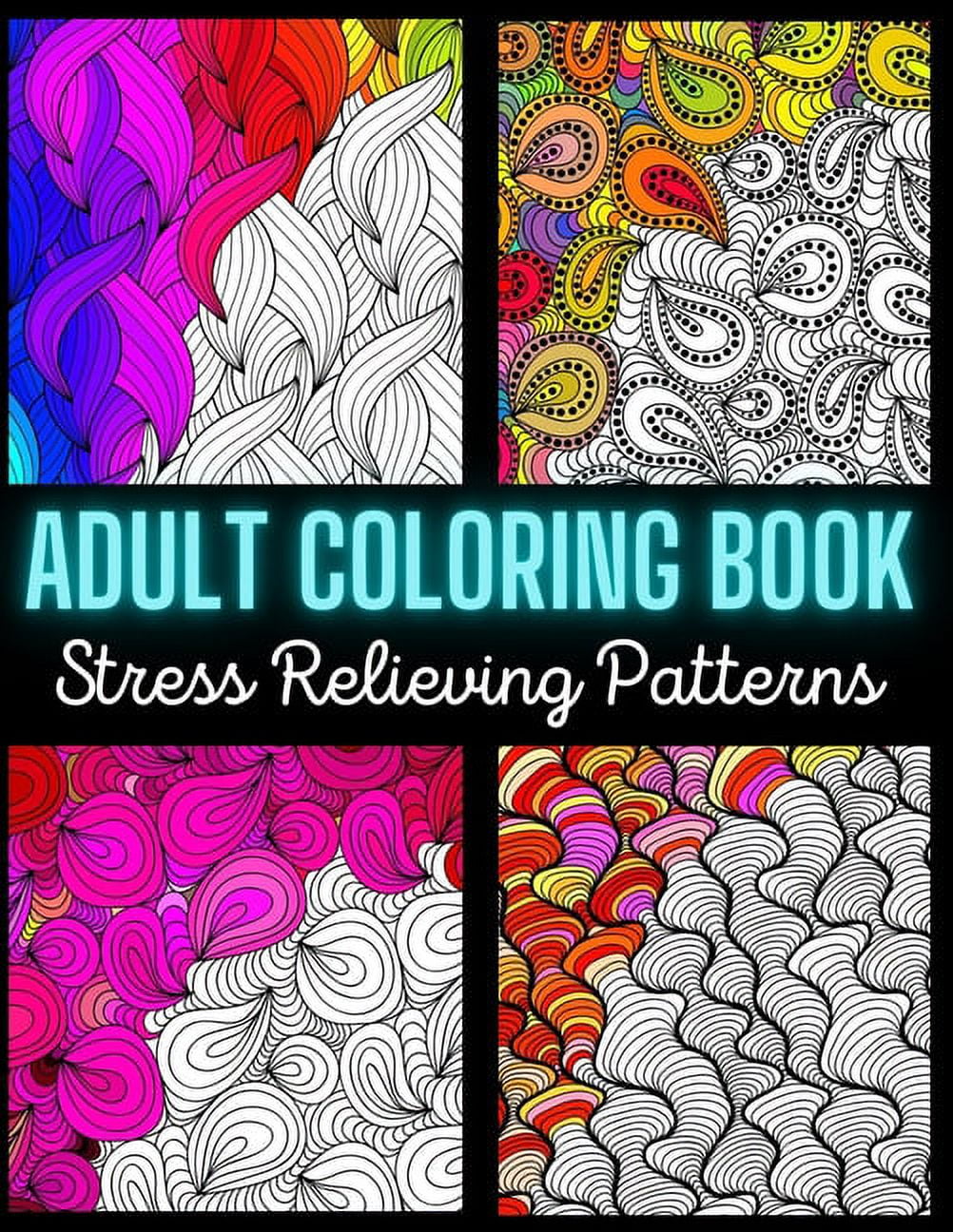
Instantly Reduce Stress With These Coloring Pages
When chronic stress strikes, your nervous system shifts into a persistent fight-or-flight response. Heart rate climbs, muscles tense, and racing thoughts make it nearly impossible to unwind. While traditional meditation works for many, sitting silently with a busy mind can sometimes feel more frustrating than relaxing. That is why so many people looking for an immediate mental reset choose an active, tactile alternative: you can instantly reduce stress with these coloring pages engineered specifically for somatic calming and mental clarity.

Far from a simple childhood pastime, coloring for adults engages distinct neurological pathways. It combines tactile feedback, bilateral hand movement, and focused visual concentration to quiet an overactive amygdala and bring the body back into a parasympathetic state.
The Neuroscience of Coloring for Stress Relief
To understand why coloring works so quickly, it helps to look at the brain under stress. When anxiety peaks, the amygdala—the brain's threat-detection center—fires rapidly. Focusing on a bounded, structured creative task pulls metabolic energy away from worry loops and redirects it toward the prefrontal cortex.
Clinical studies in art therapy show that coloring intricate designs yields several concrete mental health benefits:
- Downregulates the Amygdala: Directing attention to selecting shades and filling predefined boundaries signals to the brain that the immediate environment is safe.
- Induces Alpha Brainwaves: The repetitive, predictable motion shifts brain states from hyper-vigilant beta waves to calm, reflective alpha waves, similar to mild meditation.
- Replaces Rumination: Because the brain cannot easily hold intrusive worries while simultaneously coordinating fine motor control and color choices, negative thought loops dissolve naturally.
Instantly Reduce Stress With These Coloring Pages
Not every illustration produces the same neurological effect. Overly blank pages can trigger performance anxiety, while hyper-chaotic sheets can cause visual fatigue. The following five categories offer the ideal balance of structure, repetition, and creative freedom to trigger rapid relaxation.
1. Symmetrical Mandalas and Sacred Geometry
Psychiatrist Carl Jung was one of the first Western practitioners to use mandalas therapeutically. He noticed that drawing and coloring circular, concentric shapes helped patients integrate fragmented emotions and achieve internal harmony.
Mandala pages draw the eye toward a central focal point, anchoring wandering attention. The symmetrical nature of the pattern allows your brain to anticipate shapes without cognitive strain, inducing a deeply rhythmic, trance-like calm.
2. Botanical Illustrations and Biophilic Landscapes
Biophilia refers to humanity's innate biological connection to nature. Viewing natural imagery—even on paper—triggers a measurable reduction in cortisol levels and blood pressure.
Pages featuring flowing fern fronds, blooming succulents, forest canopies, or marine botanicals recreate this soothing effect indoors. Shading organic curves encourages soft, sweeping hand motions that relieve tension built up in the hands, wrists, and shoulders.
3. Repeating Tessellations and Geometric Patterns

If your stress stems from feeling scattered, disorganized, or overwhelmed by a heavy workload, tessellated patterns are especially effective. These interlocking geometric tiles create an environment of clean, predictable order.
Working through alternating color schemes across a grid promotes a "flow state"—the mental state where self-consciousness disappears, time seems to slow down, and your focus locks cleanly onto a single, satisfying activity.
4. Calming Typography and Mindful Mantras
Coloring pages that pair decorative lettering with affirmations offer a two-pronged benefit: sensory relaxation and cognitive reframing. Phrases like "Breathe In Calm," "Present in This Moment," or "One Step at a Time" act as gentle subconscious anchors.
As you spend ten to fifteen minutes decorating the letterforms with color gradients, your brain absorbs the meaning of the words far more deeply than it would during a quick, passive glance.
5. Flowing Abstract Swirls and Zendoodle Waves
Unlike realistic line art, abstract fluid designs have no "correct" color scheme. If you struggle with perfectionism, coloring a tree with pink leaves or a sky with orange ink might create subtle inner friction. Fluid abstract line work removes this barrier completely.
With no rules about what the finished product "should" look like, you are completely free to experiment with intuitive color combinations, allowing raw visual expression to push tension out of the body.
Selecting the Right Tools for Maximum Relaxation
The medium you choose changes the sensory experience of coloring. Matching the tool to your preferred tactile sensation can elevate your stress-relief practice from a simple distraction to a rich mindfulness ritual.
- Wax- or Oil-Based Colored Pencils: Ideal for individuals who enjoy precise control, light pressure variations, and slow, meditative layering. The gentle sound of a pencil scratching against paper provides satisfying white noise.
- Fine-Tip Gel Pens: Perfect for tight mandala patterns and intricate tessellations. Gel ink flows with almost zero friction, reducing physical strain on your hand and fingers.
- Alcohol- or Water-Based Markers: Best for broad strokes and bold, vibrant coverage. The deep saturation of marker ink creates fast visual gratification, boosting dopamine as empty spaces fill quickly with rich color.
How to Build a 15-Minute De-Stressing Routine
You do not need hours of free time to reset your nervous system. A dedicated 15-minute window can significantly alter your physiological baseline when approached with intention.
- Clear Your Surface: Push your laptop, phone, and unread mail out of sight. A clutter-free space signals to your nervous system that work is temporarily on hold.
- Limit the Palette: Staring at a box of 120 colored pencils can introduce decision fatigue. Select three to five harmonious colors before you start and commit to using only those shades for the session.
- Engage the Senses: Pair your coloring with calming background audio, such as low-tempo instrumental music, rain sounds, or brown noise.
- Release the Outcome: Remind yourself that this page is not meant to be framed or judged on social media. Its sole purpose is to serve as an outlet for physical and mental decompression.
A Simple, Accessible Path to Daily Calm
Stress is an inevitable part of modern life, but letting it accumulate in your body and mind is not. By turning to targeted, meditative coloring sheets, you give your brain the structured pause it needs to recover from screen fatigue and sensory overload. Print a few designs, select your favorite colors, and let the rhythmic cadence of coloring carry your stress away.