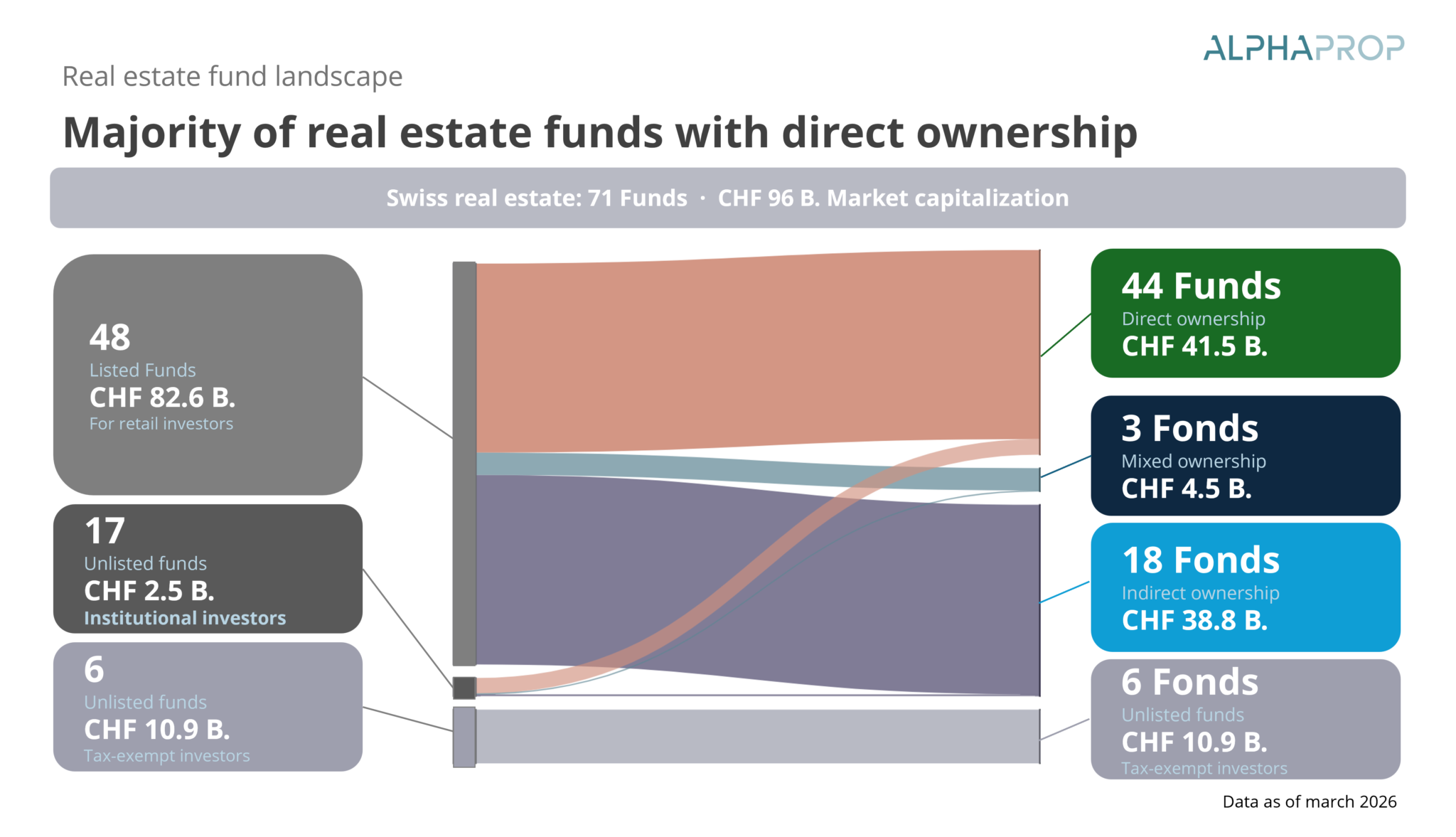
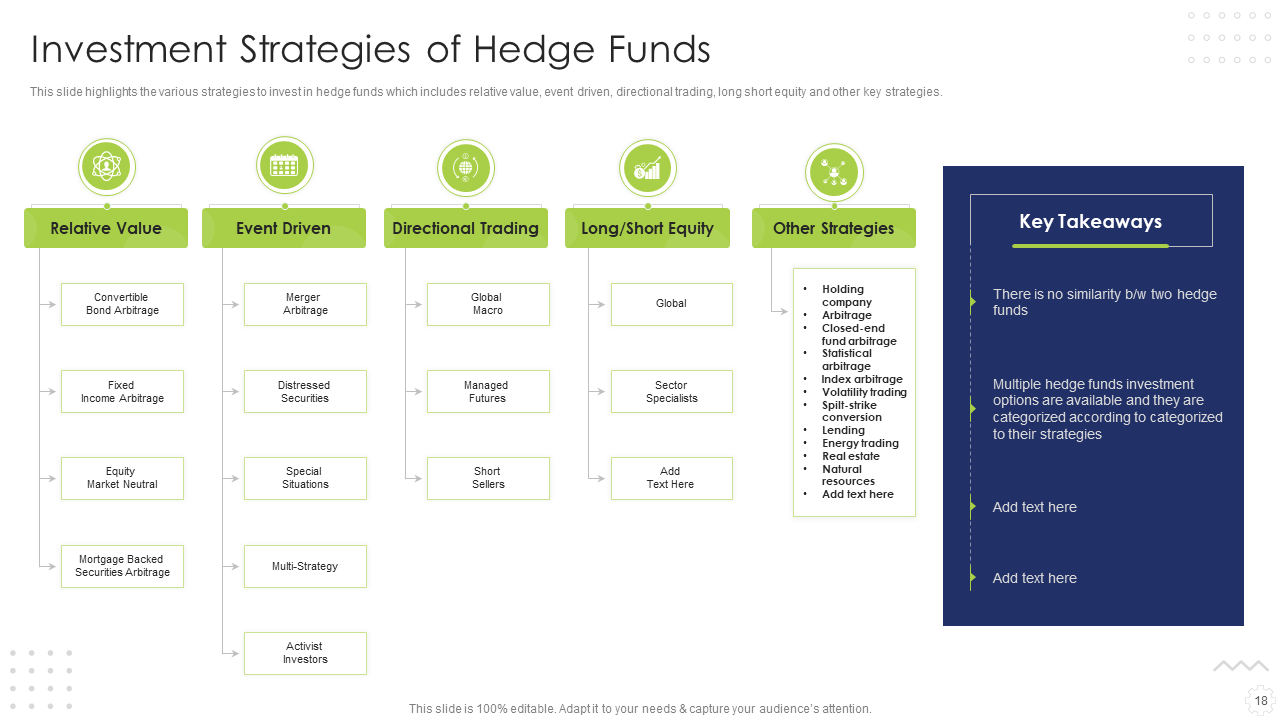
Institutional Real Estate Wealth: How Titans Control Markets
The Great Institutional Pivot

For decades, Wall Street's sharpest minds chased alpha in liquid markets. Hedge funds traded currencies, derivatives, and volatile equities in microsecond bursts. But as macroeconomic tides shifted following the 2008 financial crisis—and accelerated through recent inflationary cycles—smart money recognized the limits of pure liquidity. The pursuit of yield evolved, leading institutional investors to move from hedge funds to real estate fortresses: how they control tides of wealth.
Today, mega-funds, private equity giants, and sovereign wealth pools view brick-and-mortar assets not merely as investments, but as impenetrable economic moats. By accumulating massive portfolios of residential, industrial, and commercial properties, these entities have transformed urban landscapes and suburban neighborhoods alike, rewriting the rules of modern wealth accumulation.
From Liquid Alpha to Tangible Fortresses
Why did capital abandon the flashing screens of trading floors for concrete and steel? The answer lies in the fundamental nature of real estate as a hedge against volatility. Unlike stocks, which can plummet 20% on a negative earnings report, physical assets possess intrinsic value. They generate predictable cash flows through leases, appreciate over the long term, and offer powerful tax advantages.
Furthermore, the post-pandemic economic landscape introduced persistent inflation. Real estate acts as a natural pricing firewall; as consumer prices rise, landlords can adjust rents upward. Institutional investors recognized that owning the physical infrastructure of society offered a superior risk-adjusted return compared to traditional fixed-income instruments yielding near-zero returns.
The Mechanics of Scale: How Mega-Funds Buy Blocks
When private equity enters the housing or commercial market, they do not operate like retail buyers. They deploy algorithmic purchasing models and mountains of cheap debt to sweep up properties at scale. This institutional buying power changes local market dynamics permanently.
- Data-Driven Acquisition: Algorithms scan zip codes for undervalued single-family homes or multi-family complexes, allowing funds to make all-cash, sight-unseen offers within minutes.
- Economies of Scale: Large portfolios reduce operational costs. Centralized property management, bulk vendor contracts, and in-house maintenance teams maximize profit margins.
- Capital Advantage: With access to institutional credit lines carrying historically low interest rates, these firms easily outbid everyday families relying on conventional mortgages.
Asset Classes Under Siege
Institutional capital does not target just any property. The strategy focuses on specific sectors designed to withstand economic downturns and capture secular demographic shifts.

Single-Family Rentals (SFR)
Once the exclusive domain of mom-and-pop landlords, the single-family rental market became an institutional darling in the 2010s. Funds realized that millennials, burdened by student debt and priced out of homeownership, would rent high-quality suburban homes indefinitely. By buying entire subdivisions, these funds effectively created corporate-owned rental communities.
This trend has sparked intense public debate. Critics argue that institutional landlords price out first-time homebuyers and drive up rental costs, while proponents maintain that corporate ownership professionalizes property management and increases rental stock quality.
Industrial Logistics and Data Centers
The rise of e-commerce transformed industrial real estate from boring warehouses into mission-critical logistics hubs. Funds poured billions into distribution centers near major metropolitan areas. More recently, the artificial intelligence boom has redirected capital toward data centers—the digital fortresses powering the modern economy.
The Broader Economic Impact
The consolidation of real estate into the hands of a few institutional players has profound implications for wealth distribution. When housing and commercial spaces become financialized assets managed by global funds, local communities lose control over their own built environments. Affordability crises deepen in major metros, and the wealth gap widens as property appreciation accumulates in institutional balance sheets rather than local households.
Yet, for everyday investors looking to mirror this success, the strategy offers a clear blueprint. While you may not be able to buy an entire portfolio of skyscrapers, understanding how institutional giants position themselves allows you to align your capital with the smartest players in the room.
Conclusion
The transition from speculative trading floors to concrete assets marks a defining shift in modern finance. By turning tangible property into institutional fortresses, major wealth funds have secured a dominant position in the global economy. As long as people need places to live, work, and store goods, the tides of wealth will continue to flow through these brick-and-mortar strongholds.