Intel Manufacturing Technician Salary: Full Pay Guide
Intel is at the center of the global semiconductor manufacturing push, operating massive fabrication facilities—known as "fabs"—in Arizona, Oregon, New Mexico, and soon Ohio. At the heart of these multi-billion-dollar cleanrooms are manufacturing technicians (frequently referred to as MTs). If you are considering applying for one of these positions, understanding the intel manufacturing technician salary structure is essential, as base pay represents only a portion of what technicians actually take home.
Unlike standard industrial manufacturing jobs, semiconductor technician roles at Intel carry specialized compensation structures. These include compressed workweek premiums, shift differentials, quarterly and annual performance bonuses, and equity grants. Here is a detailed look at what you can expect to earn at each stage of your career at Intel.
Intel Manufacturing Technician Salary by Experience Level
Intel hires technicians across several formal tiers, generally ranging from entry-level Manufacturing Technician 1 (MT1) up to Senior or Master Technician roles. Base pay is almost universally paid as an hourly wage rather than a fixed salary, which leaves substantial room for overtime earnings.
- Entry-Level Manufacturing Technician (MT1): $21.00 – $26.00 per hour ($44,000 – $54,000 base annual). Entry-level roles are designed for recent graduates with an associate degree in electronics, mechanical engineering technology, microelectronics, or candidates coming through community college semiconductor bootcamps and military transitions.
- Mid-Level Manufacturing Technician (MT2 / MT3): $27.00 – $36.00 per hour ($56,000 – $75,000 base annual). Technicians at this tier typically have 2 to 5 years of semiconductor or high-vacuum manufacturing experience. They perform preventive maintenance (PMs), basic troubleshooting, and monitor yield and tool performance across lithography, etch, or planarization modules.
- Senior / Lead Manufacturing Technician (MT4+): $37.00 – $48.00+ per hour ($77,000 – $100,000+ base annual). These veterans possess deep technical knowledge of specific toolsets (such as ASML EUV scanners or Applied Materials equipment). They oversee major tool overhauls, train junior technicians, and resolve complex inline processing issues.
The Impact of Shift Differentials on Base Earnings
One major reason an Intel manufacturing technician's W-2 frequently exceeds their stated hourly base rate is the shift schedule. Intel's fabs run 24 hours a day, 365 days a year. Technicians work on a Compressed Work Week (CWW) schedule consisting of alternating 3-day and 4-day workweeks with 12-hour shifts.
Intel organizes these schedules into four primary shifts:
- Shift 1 (Day Front): Sunday through Tuesday, alternating Wednesdays (Days).
- Shift 2 (Night Front): Sunday night through Tuesday night, alternating Wednesday nights.
- Shift 3 (Day Back): Thursday through Saturday, alternating Wednesdays (Days).
- Shift 4 (Night Back): Thursday night through Saturday night, alternating Wednesday nights.
Because working nights and weekends is challenging, Intel offers shift differentials that significantly increase base pay:
- Night Shifts (Shift 2 and Shift 4): Typically receive an additional 11% to 16% differential on all hours worked.
- Weekend Shifts: Shifts that include Saturdays or Sundays often carry an additional schedule premium.
- Built-in Overtime: Because shifts are 12 hours long, every two-week pay period naturally includes 8 hours of scheduled overtime, calculated at time-and-a-half (1.5x).
For example, a technician with a base wage of $28.00 per hour on Shift 4 (Night Back) can easily see an effective rate of $33.00 to $35.00 per hour before voluntary overtime is factored in.
Total Compensation: Bonuses, Stocks, and Perks
When evaluating Intel's compensation, you must look at total target compensation (TTC). Intel offers several corporate incentive programs that add thousands of dollars to annual earnings.
1. Annual and Quarterly Bonuses
Intel technicians participate in two primary bonus pools:
- Quarterly Profit Sharing (QSBP): Paid four times a year based on company-wide profitability metrics. This historically adds between 2% and 6% of quarterly wages.
- Annual Performance Bonus Plan (APBP): An annual incentive paid in the first quarter based on individual performance and company business unit execution. A solid performer typically receives 1 to 2 months' worth of additional base pay.
2. Restricted Stock Units (RSUs)
While equity grants used to be reserved mostly for engineers and managers, Intel regularly awards RSUs to manufacturing technicians, especially during initial onboarding and annual merit cycles. RSUs typically vest over a three-to-four-year schedule, providing an incentive for long-term retention.
3. Intel-Specific Benefits
- Sabbatical Program: Intel is famous for its sabbatical benefit. Full-time employees earn an eight-week fully paid sabbatical after seven years of continuous service, or a four-week paid sabbatical every four years.
- Tuition Assistance: Intel pays up to 100% of eligible tuition and books (up to $50,000 for advanced degrees) if you pursue engineering or business degrees while working as an MT.
- 401(k) Match: Intel offers a dollar-for-dollar 401(k) match on the first 5% of eligible pay contributed.
Geographic Salary Variations
While Intel maintains relatively consistent national compensation bands, geographic location and local cost of living do influence hourly wages.
Hillsboro, Oregon (Ronler Acres / Aloha)
Hillsboro is Intel’s primary R&D hub (D1X fab). Technicians here deal with bleeding-edge development tools before high-volume manufacturing starts elsewhere. Pay tends to be slightly higher to match the Pacific Northwest cost of living, with entry-level tech roles often starting between $23.00 and $27.00 per hour.
Chandler, Arizona (Ocotillo Campus)
Chandler houses some of Intel’s largest high-volume production facilities (Fab 42 and the expansion fabs). The market is highly competitive due to the presence of TSMC and other semiconductor suppliers in the Phoenix metro area. Technician wages here range from $22.00 to $45.00+ per hour depending on seniority.
Rio Rancho, New Mexico
Focusing on advanced packaging (Foveros technology), the Rio Rancho site has undergone major reinvestment. Hourly rates here may be slightly lower on the entry end (around $21.00 to $24.00) relative to Oregon, but the area offers a lower median housing cost.
New Albany, Ohio (Silicon Heartland)
As Intel builds out its new leading-edge fabs near Columbus, Ohio, wages are set aggressively to attract talent from across the Midwest. Technicians recruited during the initial build and tool-hookup phase can command premium starting wages and relocation support.
How to Advance and Increase Your Pay
Technicians who remain at Intel for several years can significantly increase their earnings through a few clear pathways:
- Tool Ownership: Becoming the designated Subject Matter Expert (SME) or "owner" of critical, high-downtime tools (such as dry etch chambers or ion implanters) increases your promotion speed and merit scores.
- Earning Certifications: Leveraging Intel's tuition assistance to complete a Bachelor of Science in Electrical Engineering (BSEE) or Mechanical Engineering allows technicians to transition directly into Fab Equipment Engineer roles, where base salaries begin in the $90,000 – $115,000 range.
- Shift Flexibility: Picking up voluntary overtime shifts during scheduled fab preventive maintenance shutdowns allows technicians to earn double time (2.0x) on designated holidays or extreme operational pushes.
Final Verdict: Is an Intel Technician Career Worth It?
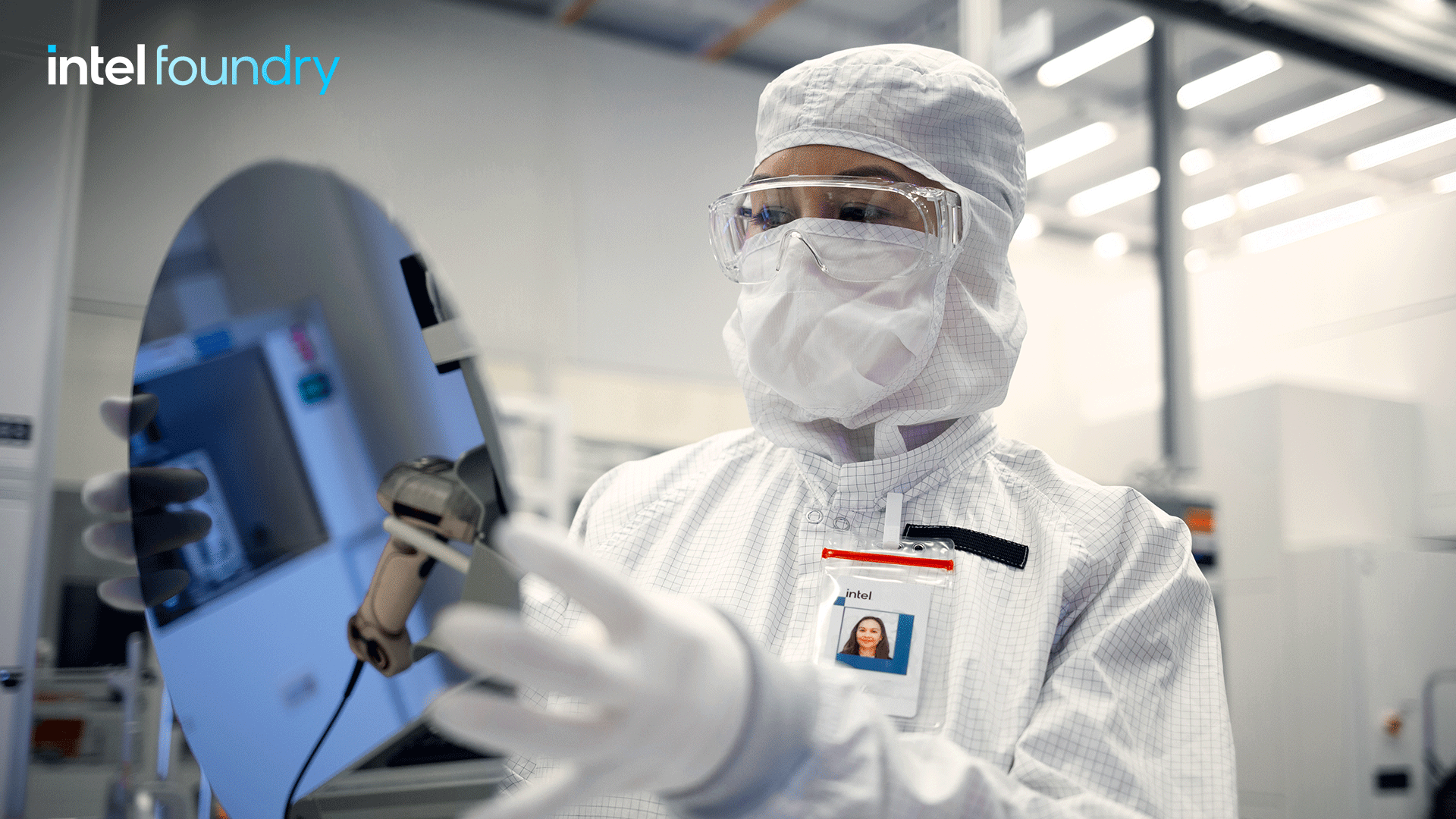
A manufacturing technician career at Intel offers competitive compensation for individuals with two-year degrees, trade backgrounds, or military mechanical/electrical experience. While working 12-hour shifts in cleanroom "bunny suits" requires physical endurance and mental discipline, the combination of shift differentials, bonuses, and overtime makes earning $65,000 to $85,000 within your first three years an achievable reality.