Invasion Season 1: A Complete Review & Breakdown
When Apple TV+ first announced a massive-budget science fiction series about an extraterrestrial attack, viewers expected sweeping space battles, laser-focused military responses, and iconic landmarks turning to dust. Instead, the streaming platform delivered a patient, character-driven drama that prioritized human emotion over spectacle. Invasion season 1 takes a uniquely grounded approach to a global crisis, focusing not on the generals and presidents in command centers, but on ordinary people scattered across the globe trying to survive the unknown.
Understanding the Plot of Invasion Season 1
Spanning 10 episodes, the debut season of the series created by Simon Kinberg and David Weil unfolds across multiple continents. Rather than introducing a single protagonist who uncovers the alien threat, the narrative splits its attention among several key groups of characters who have no initial connection to one another:
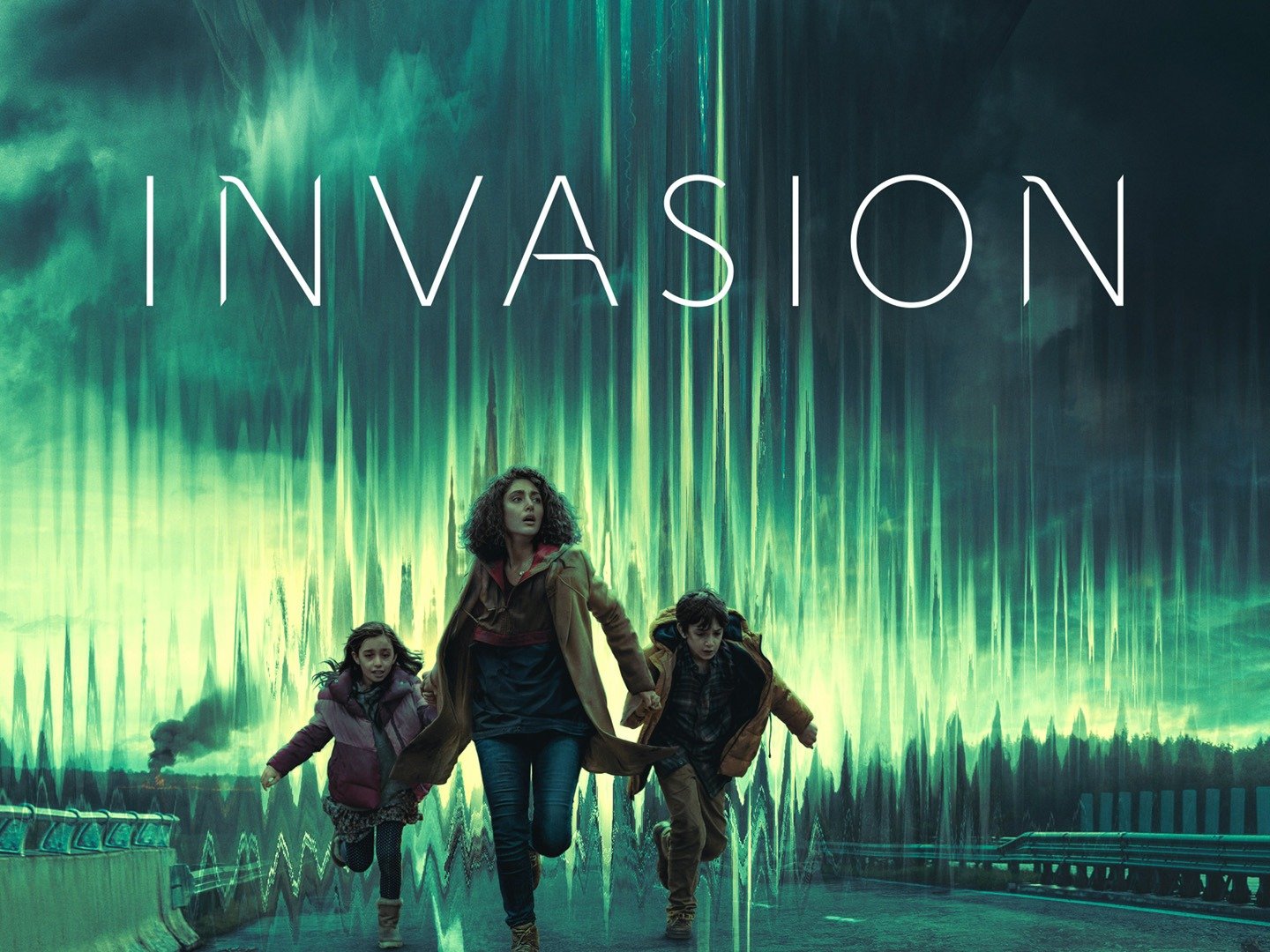
- Aneesha Malik (Golshifteh Farahani): A suburban mother in Long Island dealing with a failing marriage who must protect her children as the infrastructure collapses.
- Trevante Ward (Shamier Anderson): A U.S. Navy SEAL stationed in Afghanistan who becomes stranded in the desert alongside a traumatized young boy.
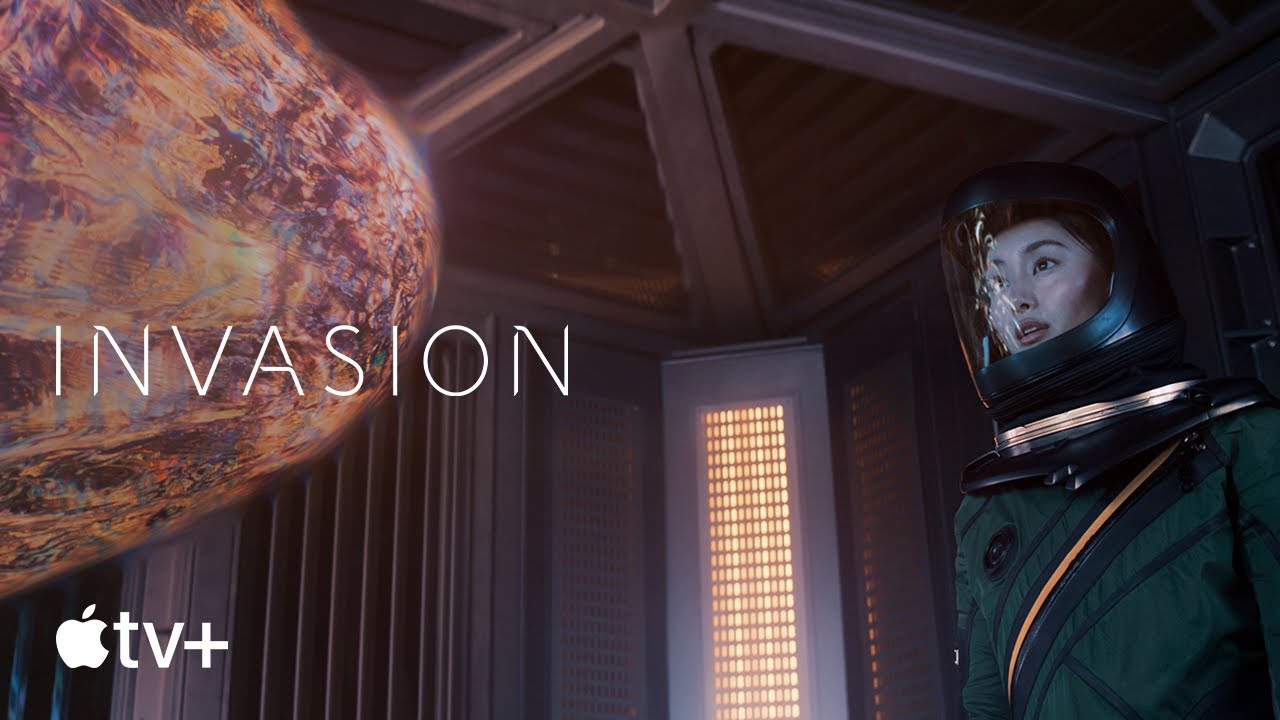
- Mitsuki Yamato (Shioli Kutsuna): A communications engineer at JASA in Japan mourning the apparent loss of her secret partner aboard a doomed space shuttle.
- Casper Morrow (Billy Barratt): A troubled British schoolboy on a field trip who possesses an uncanny, unexplained connection to the invading entities.
- Sheriff Bill Tyson (Sam Neill): A veteran law enforcement officer in a small Oklahoma town who investigates strange phenomena just before his retirement.
As these disparate storylines progress, strange environmental anomalies—such as bleeding noses, mass animal disorientations, and falling spacecraft—signal that an organized, extra-terrestrial presence is systematically dismantling human civilization.
A Slow-Burn Approach to Extraterrestrial Conflict
One of the most polarizing aspects of Invasion season 1 is its pacing. For the first several episodes, the physical invaders remain largely unseen. The threat is communicated through sound waves, flickering lights, strange black goo, and sudden military lockdowns. For viewers craving immediate blockbuster action, this approach can test patience. However, the creative team deliberately chose to treat the science fiction elements as a backdrop for exploring human psychology under extreme duress.
This stylistic choice allows the show to examine grief, marital breakdown, trauma, and societal collapse. Aneesha’s storyline, for instance, focuses as much on her husband's infidelity and her role as a protective mother as it does on avoiding alien creatures. Mitsuki's arc is rooted deeply in heartbreak and the desperate need for closure. While some find this approach refreshing and mature, others criticize it for sacrificing momentum during critical narrative windows.
Character Arcs and Standout Performances
The global scope of the series means the quality of individual storylines varies depending on where the camera is pointing. Fortunately, the cast delivers grounded, committed performances that elevate the material.
Video: Invasion: Season 1 - Official Teaser Trailer (2021) Sam Neill, Shamier Anderson

Mitsuki Yamato's Technological Mystery
Mitsuki’s journey is widely regarded as one of the narrative highlights of the season. Her storyline bridges the gap between human grief and technological investigation. Working alongside international teams, she utilizes her engineering expertise to decode alien signals, leading to some of the most visually striking and emotionally resonant scenes in the finale.
Trevante Ward's Survival Odyssey
Trevante's trek across the Middle East provides the physical action that balances out the more domestic dramas. His relationship with Jamshid—a young Afghan boy who speaks English—adds a layer of warmth and camaraderie amid the desolation. His eventual return home to the United States offers a stark look at a country falling apart at the seams.
Visuals, Sound, and Atmosphere
Production value is where Apple TV+ consistently excels, and this series is no exception. The cinematography captures the stark beauty of diverse landscapes, from the sun-bleached dunes of the Middle East to the neon-lit corridors of Tokyo and the quiet suburbs of America.
Sound design plays a crucial role in the storytelling. The alien entities are often heralded by a distinct, unsettling low-frequency hum or a cascading auditory distortion that affects characters mentally and physically. This sensory approach makes the presence of the unseen invaders deeply unnerving.
The Verdict: Should You Watch It?
If you prefer fast-paced alien action films like Independence Day or War of the Worlds, Invasion season 1 might frustrate you with its deliberate pacing. However, if you enjoy thoughtful, atmospheric sci-fi in the vein of Arrival or The Leftovers—where the psychological impact of an apocalyptic event takes center stage—this series offers a rich, immersive world worth exploring. It sets up a complex chessboard for subsequent seasons, making the initial slow climb a rewarding foundation for patient viewers.