IRS Form 843 Guide: How to Request a Refund
Making a mistake on your taxes or discovering an overpayment can be stressful, but the IRS provides specific mechanisms to correct these issues. If you need to claim a refund or request an abatement of interest, penalties, or certain specific taxes outside of your standard annual return, you will likely need to use the 843 form (Claim for Refund and Request for Abatement). Understanding when and how to file this document can save you time, money, and unnecessary frustration.

What Is IRS Form 843?
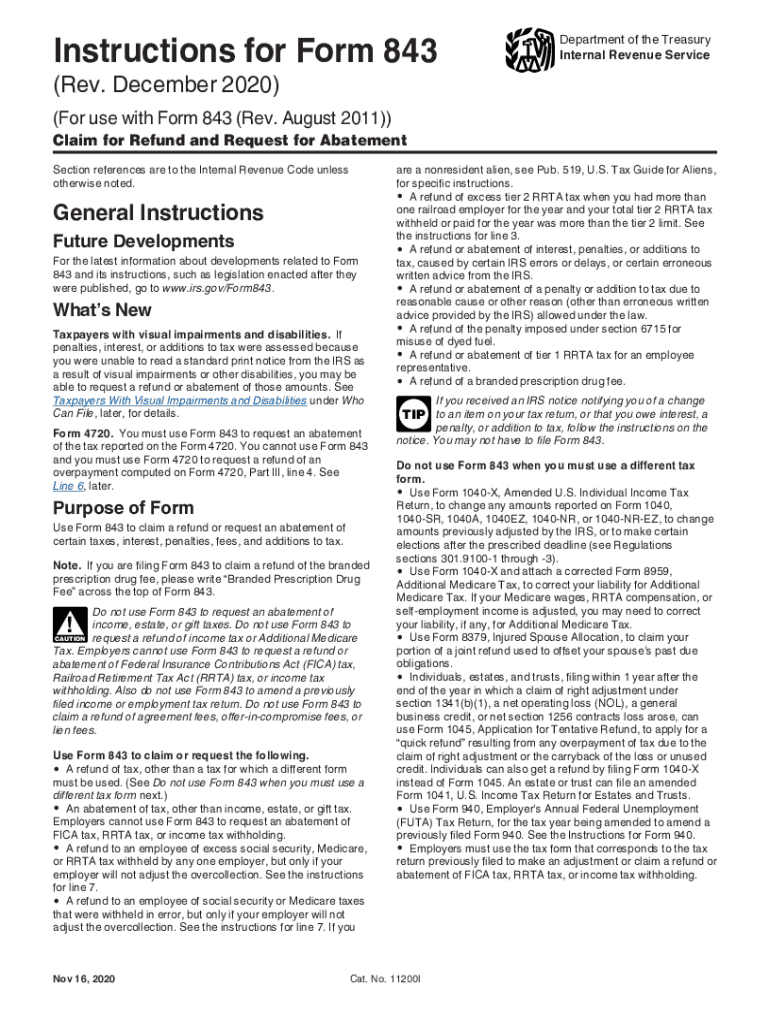
IRS Form 843 is an official document issued by the Internal Revenue Service. It allows taxpayers to ask the government to refund overpaid taxes (other than income taxes, which typically use Form 1040-X), or to request the removal (abatement) of certain interest, penalties, and additions to tax.
Many taxpayers confuse Form 843 with amended income tax returns. While an amended return is designed to adjust figures reported on your yearly tax return, Form 843 serves as a catch-all for claims that do not fit standard adjustment channels, such as employment taxes, estate taxes, excise taxes, and various IRS-assessed penalties.
When Should You Use the 843 Form?
You cannot use Form 843 for every type of tax issue. Knowing the appropriate qualifying situations helps ensure your request is processed without immediate rejection.
Common Uses for Form 843
- Penalty Abatement: Requesting the removal of penalties assessed by the IRS due to reasonable cause, such as a natural disaster, serious illness, or reliance on erroneous written advice from the IRS.
- Interest Abatement: Asking the IRS to forgive interest that accrued due to unreasonable errors or delays by IRS personnel.
- Employment and Excise Taxes: Claiming refunds for overpaid FICA (Social Security/Medicare) taxes, federal unemployment taxes (FUTA), or excise taxes.
- Alternative Fuel or Specific Credit Refunds: Claiming certain specialized excise tax refunds that cannot be claimed on your income tax return.
When NOT to Use Form 843
Do not use this form to:
- Amend an individual or corporate income tax return (use Form 1040-X or Form 1120-X instead).
- Request relief from joint and several liability (use Form 8857 for Innocent Spouse Relief).
- Dispute an income tax audit adjustment while it is still under appeal or examination.
Key Deadlines and Time Limits
Filing on time is critical. The IRS strictly enforces statutory limitations periods for claims and refunds. Generally, you must file Form 843 within:
- 3 years from the date the original return was filed, or
- 2 years from the date the tax was paid, whichever is later.
If you are requesting a penalty abatement, it is generally best to file as soon as you receive the notice assessing the penalty, provided you have a valid, documented reason.
Step-by-Step Instructions for Filling Out Form 843
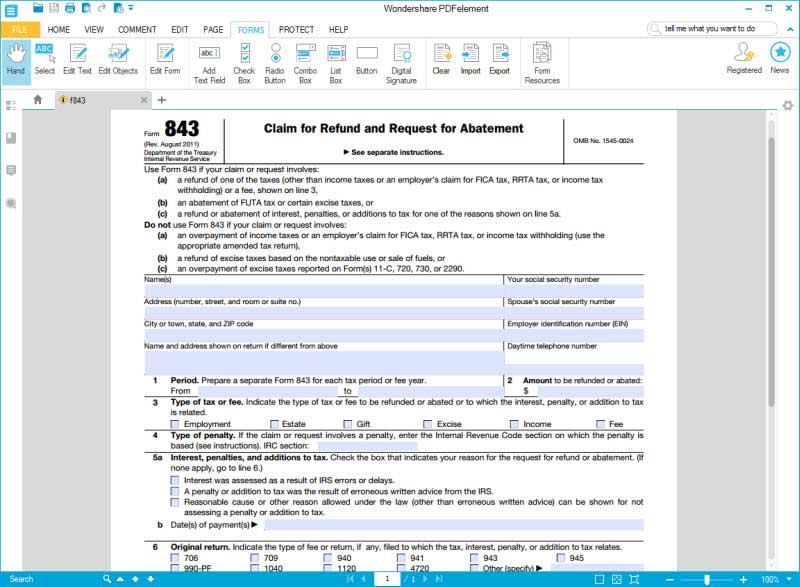
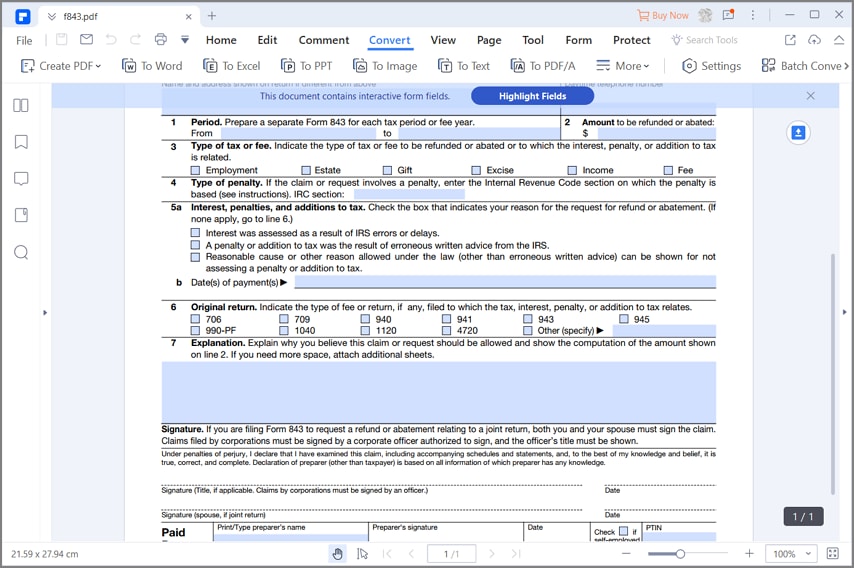
Completing the form accurately minimizes processing delays. Here is a breakdown of the essential sections you must complete:

Part 1: Taxpayer Information
Provide your name, current address, and taxpayer identification number (Social Security Number for individuals or Employer Identification Number for businesses). If you are filing on behalf of an estate or corporation, ensure the authorized representative's details are correct.
Part 2: Period and Type of Tax or Penalty
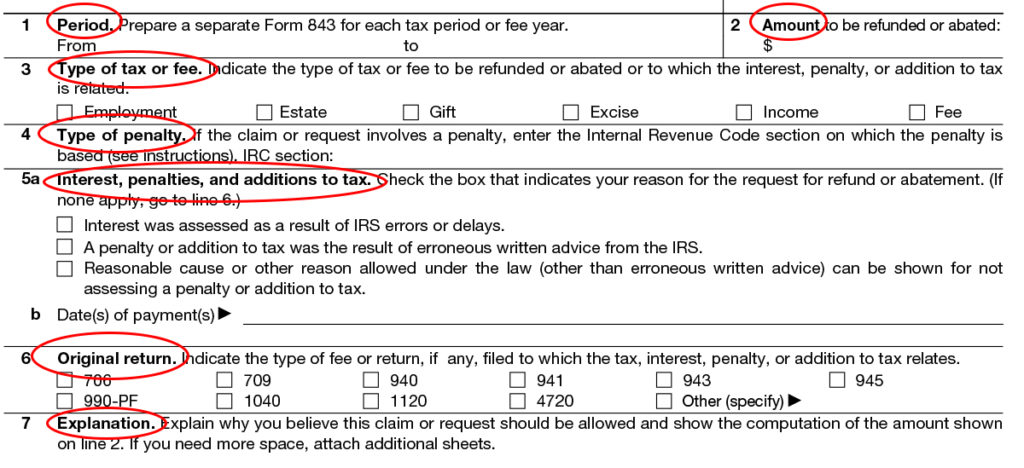
Specify the tax period (month, quarter, or year) for which you are claiming a refund or abatement. Check the appropriate box indicating whether your claim involves:
- An employment tax
- An estate, gift, or excise tax
- A penalty
- Interest
Part 3: Explanation and Supporting Details
This is the most critical part of the document. Line 7 requires you to state the exact reasons why you believe you are entitled to a refund or abatement. Be clear, concise, and factual.
If you are claiming reasonable cause for a penalty abatement, explain what happened, when it happened, how it prevented you from meeting your tax obligation, and what steps you took once the obstacle was removed.
Required Documentation to Attach
Your claim should never be submitted in isolation. Always attach supporting evidence to substantiate your claim. Depending on your situation, this may include:
- Medical records or doctor's notes if claiming illness caused a late filing.
- Insurance reports, police reports, or disaster declarations if a natural disaster caused the delay.
- Cancelled checks, bank statements, or corrected W-2/1099 forms if claiming a tax overpayment.
- Copies of correspondence from the IRS regarding the penalty assessment.
Where to File Your Form
Where you mail your completed form depends on the state where you live and the type of tax or penalty involved. The instructions booklet for Form 843 provides an explicit, up-to-date mailing address chart categorized by state and tax type. Always verify the correct address before mailing to prevent significant processing delays.
Final Tips for Success
Filing Form 843 requires patience. The IRS can take several months to review and process claims. To give your request the best chance of approval, keep copies of everything you submit, use certified mail with a return receipt requested to prove delivery, and ensure all math and eligibility criteria are double-checked before mailing.