Is 113/73 a Good Blood Pressure? What the Numbers Mean
Understanding Your Blood Pressure Reading

When you check your blood pressure at a pharmacy kiosk, doctor's office, or home monitor, you are given two numbers. The top number is the systolic pressure, and the bottom number is the diastolic pressure. If you recently checked your vitals and saw 113 over 73, you might be wondering: is 113/73 a good blood pressure reading?
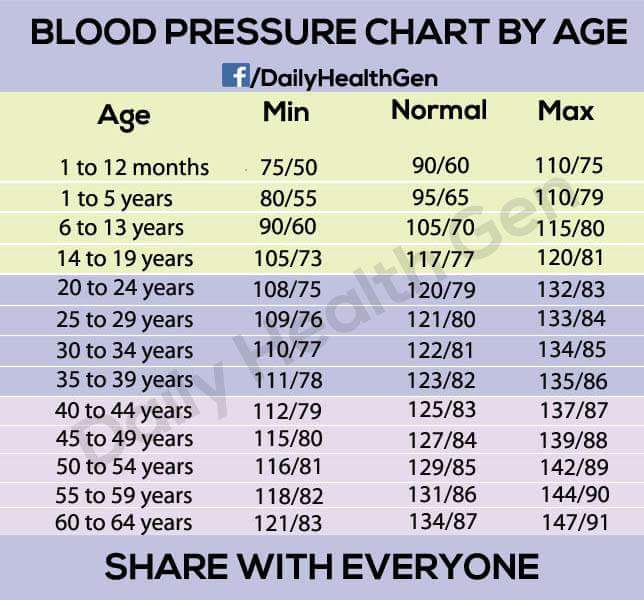
The short answer is yes. According to major health organizations, including the American Heart Association (AHA), a reading of 113/73 mmHg is considered normal and healthy for the average adult. It indicates that your heart is pumping blood efficiently without putting excessive strain on your arterial walls.
What Do the Numbers 113 and 73 Mean?
To fully appreciate why 113/73 is a favorable reading, it helps to break down what each part of the measurement represents.
The Systolic Pressure (113)
The top number, 113, measures the pressure in your arteries when your heart beats and contracts. This is called systolic pressure. According to standard medical classifications:
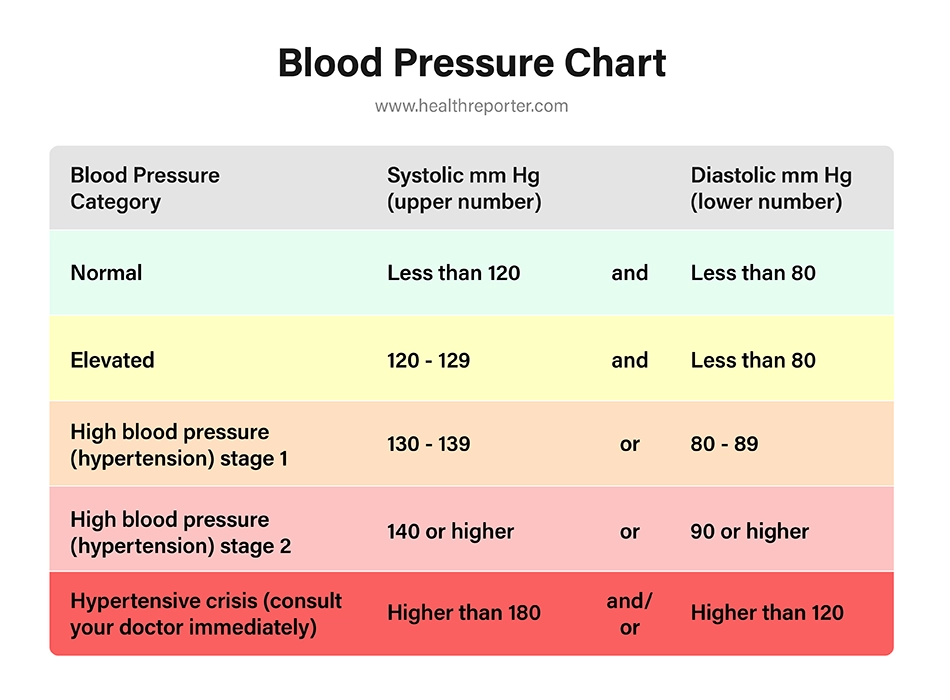
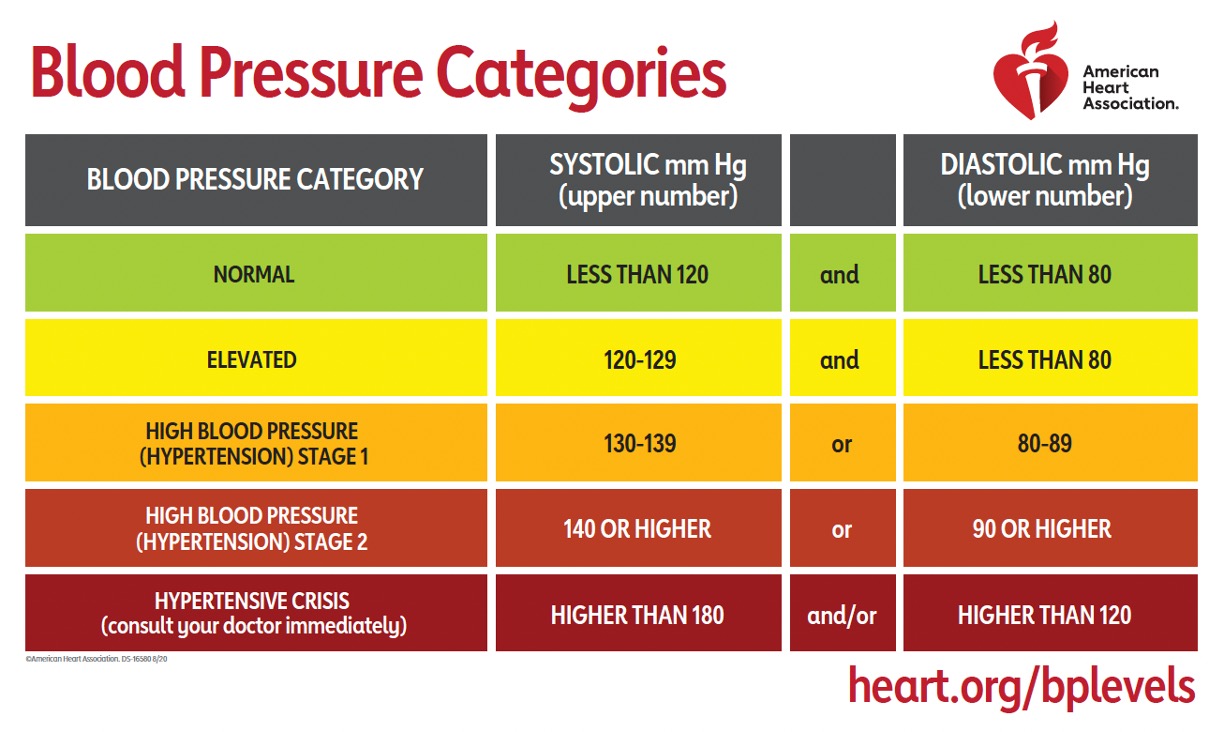
- Normal: Less than 120 mmHg
- Elevated: 120–129 and less than 80 mmHg
- Hypertension Stage 1: 130–139 or 80–89 mmHg
- Hypertension Stage 2: 140 or higher, or 90 or higher mmHg
At 113, your systolic reading sits safely below the 120 threshold, placing it squarely in the normal category.
The Diastolic Pressure (73)
The bottom number, 73, measures the pressure in your arteries when your heart rests between beats. This is called diastolic pressure. The standard categories for diastolic readings are:
- Normal: Less than 80 mmHg
- Elevated: Less than 80 mmHg (with systolic 120–129)
- Hypertension Stage 1: 80–89 mmHg
- Hypertension Stage 2: 90 mmHg or higher
With a reading of 73, your diastolic pressure is below the 80 mmHg mark, which again confirms a healthy, normal measurement.
How Blood Pressure Categories Compare
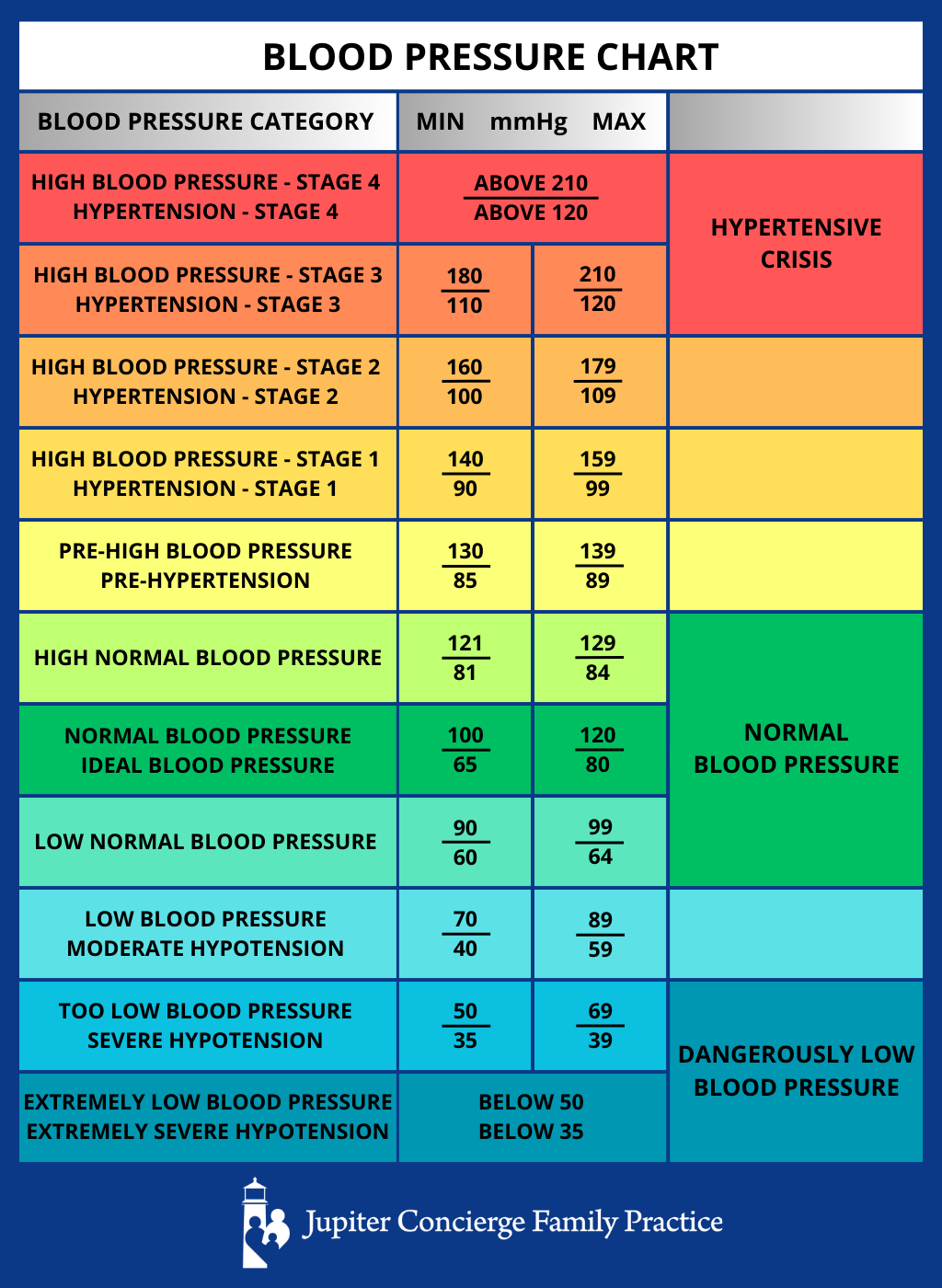
To put 113/73 into perspective, it helps to look at the full spectrum of blood pressure classifications defined by cardiologists.
- Normal: Less than 120 / less than 80 mmHg
- Elevated: 120–129 / less than 80 mmHg
- Stage 1 Hypertension: 130–139 / 80–89 mmHg
- Stage 2 Hypertension: 140+ / 90+ mmHg
- Hypertensive Crisis: Higher than 180 / higher than 120 mmHg (requires immediate medical attention)
Because 113/73 falls below both the 120 and 80 cutoffs, you do not need to worry about high blood pressure (hypertension) based on this specific measurement.
Can Blood Pressure Be Too Low?
While 113/73 is normal, some people wonder if numbers can drop too low. Generally, doctors do not diagnose low blood pressure (hypotension) unless readings consistently fall below 90/60 mmHg and the patient experiences symptoms.
Common symptoms of dangerously low blood pressure include:
- Dizziness or lightheadedness
- Fainting or syncope
- Blurred vision
- Nausea
- Fatigue
- Lack of concentration
If you feel healthy, energetic, and have no dizziness, a reading of 113/73 simply means your cardiovascular system is functioning in an optimal state.

Factors That Cause Blood Pressure to Fluctuatue
Blood pressure is not a static number; it changes constantly throughout the day depending on your activity level, stress, posture, and diet. A reading of 113/73 taken in the morning might look different by late afternoon.
Several everyday factors can cause temporary spikes or drops:
- Physical Activity: Exercise temporarily raises blood pressure to supply working muscles with oxygen.
- Stress and Anxiety: Emotional stress triggers hormones that constrict blood vessels and elevate heart rate.
- Caffeine and Nicotine: Both substances act as temporary stimulants that can raise blood pressure shortly after consumption.
- Body Position: Lying down, sitting, and standing can all yield slightly different measurements.
- Full Bladder: Having a full bladder can increase systolic pressure by a few points.
Because fluctuations are completely normal, healthcare providers look at trends over time rather than relying on a single isolated measurement.
Tips to Maintain Healthy Blood Pressure
Even though 113/73 is a great reading, maintaining heart health is a lifelong commitment. Adopting healthy lifestyle habits keeps your cardiovascular system strong and prevents future issues.
1. Eat a Heart-Healthy Diet
Focus on whole foods, including plenty of fruits, vegetables, whole grains, and lean proteins. The DASH (Dietary Approaches to Stop Hypertension) diet is specifically designed to support healthy blood pressure by emphasizing potassium, calcium, and magnesium while limiting sodium.
2. Stay Physically Active
Aim for at least 150 minutes of moderate-intensity aerobic exercise—such as brisk walking, swimming, or cycling—each week. Regular movement strengthens your heart muscle, allowing it to pump blood with less effort.
3. Manage Stress Levels
Chronic stress takes a toll on your arteries. Incorporate stress-reduction techniques into your routine, such as deep breathing exercises, meditation, yoga, or spending time in nature.
4. Limit Sodium and Alcohol
Excess sodium causes your body to retain fluid, increasing blood pressure. Monitor packaged foods, which often contain hidden sodium. Additionally, limit alcohol consumption, as heavy drinking can elevate blood pressure over time.
5. Get Routine Check-Ups
Even if your home monitor consistently shows numbers like 113/73, schedule regular visits with your primary care physician to monitor your overall cardiovascular health, cholesterol levels, and metabolic markers.
Conclusion
Ultimately, 113/73 is an ideal blood pressure reading that reflects a healthy heart and flexible, clear arteries. By maintaining a balanced diet, staying active, and managing stress, you can keep your cardiovascular system performing at its best for years to come. If you ever experience unusual symptoms or dramatic shifts in your readings, consult a qualified healthcare professional for personalized guidance.