Is Fanatics Publicly Traded? Stock & IPO Status
Is Fanatics Publicly Traded? Current Status Explained
If you are looking to add sports merchandise giant Fanatics to your investment portfolio, you might be wondering: is fanatics publicly traded? The short answer is no. Fanatics, Inc. is currently a privately held company. This means everyday retail investors cannot purchase shares of Fanatics stock on public stock exchanges like the New York Stock Exchange (NYSE) or the Nasdaq.
Despite being a household name in the sports world—dominating licensed apparel, trading cards, and expanding rapidly into online sports betting and ticketing—the company has chosen to remain private. However, staying private has not stopped Fanatics from operating on a scale similar to many publicly traded corporations. Backed by high-profile venture capital firms, sports leagues, and institutional investors, the company continues to shape the future of sports fandom behind closed doors.
Understanding the Fanatics Private Valuation
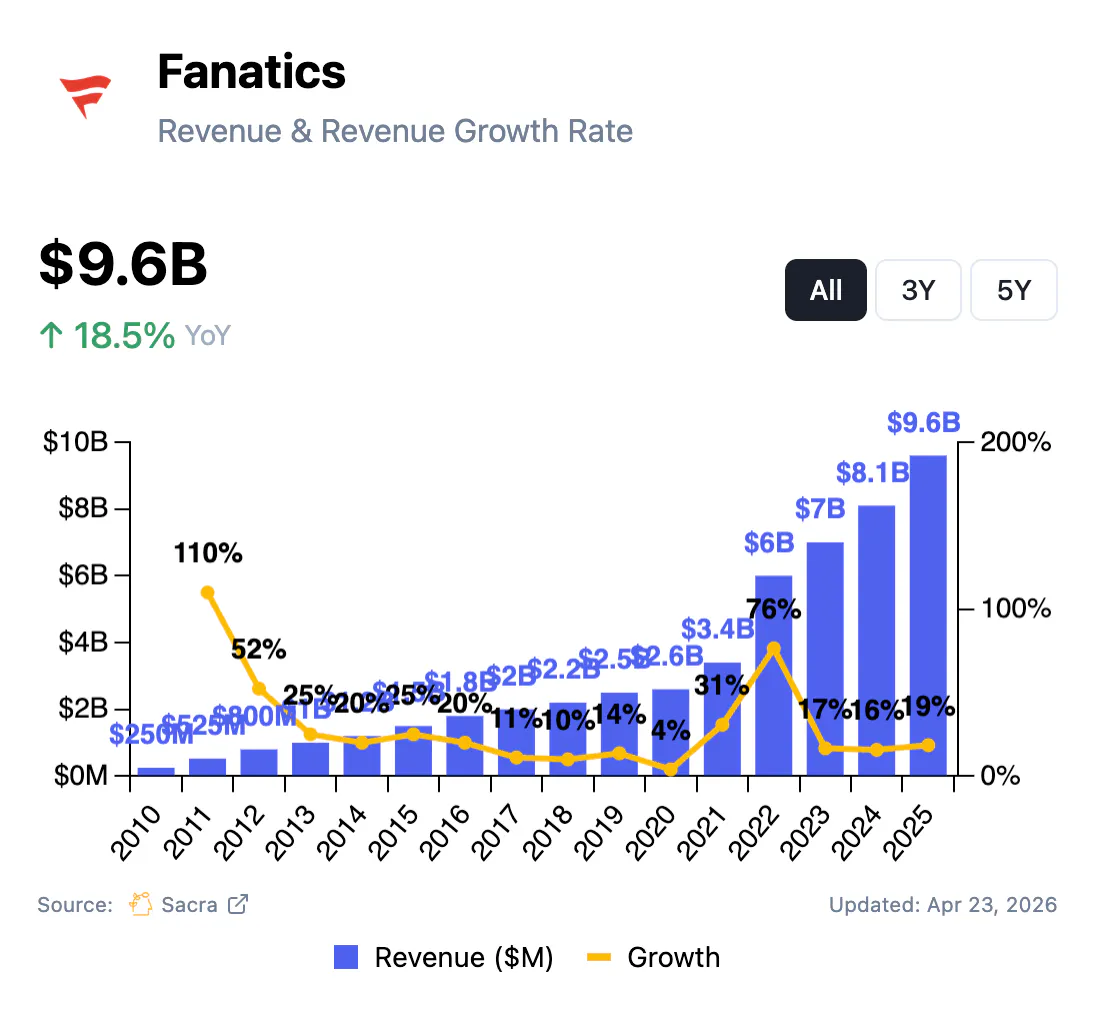
Even though Fanatics is not publicly traded, its massive scale gives us a clear window into its financial standing. Over the last several years, the company has completed multiple rounds of private funding, driving its valuation up significantly.
Recent Funding Rounds and Valuation Estimates
At its peak private valuation, Fanatics was valued at roughly $31 billion following a funding round in late 2022. While broader macroeconomic shifts, tech corrections, and a slowdown in the private growth equity markets caused some downward adjustments in late 2023 and 2024, the company remains a decacorn—a startup valued at over $10 billion.
Its high valuation is driven by rapid diversification. Fanatics is no longer just a jersey and hat seller. The empire now spans three distinct pillars:
- Fanatics Commerce: The core e-commerce and manufacturing arm that partners with major leagues (NFL, MLB, NBA, NHL, MLS) and top global soccer clubs.
- Fanatics Collectibles: A rapidly growing division encompassing Topps, focusing on trading cards, memorabilia, and collectibles.
- Fanatics Betting & Gaming: The company's newer entry into the legal sports betting and online casino market, competing with industry giants like DraftKings and FanDuel.
Who Owns Fanatics? Key Stakeholders and Investors
Because Fanatics is privately held, ownership is concentrated among a mix of its executive leadership, professional sports leagues, players' associations, and massive private equity funds. Executive Chairman Michael Rubin holds a significant stake and serves as the public face and primary architect of the company’s aggressive expansion strategy.

Other notable investors and partners include:
- Major League Baseball (MLB) and the NFL, both of which took equity stakes in exchange for long-term licensing deals.
- Private equity and investment firms such as Silver Lake, Fidelity Management & Research Company, and SoftBank.
- The NFL Players Association (NFLPA) and other sports unions.
These strategic partnerships align the interests of the sports leagues directly with Fanatics' financial success, creating a powerful moat that protects its market share.
Will Fanatics Have an IPO? Future Outlook
Retail investors frequently ask when Fanatics will go public through an Initial Public Offering (IPO). While CEO Michael Rubin has acknowledged that going public is a logical long-term step for a company of this size, management has remained patient and disciplined regarding timing.
Factors Influencing the Fanatics IPO Timeline
Several variables dictate when—or even if—Fanatics will make the leap to the public markets:
- Market Conditions: The public market appetite for high-growth tech and e-commerce companies fluctuates. Leadership has historically waited for favorable economic windows rather than rushing an IPO in a choppy market.
- Capital Requirements: Fanatics has raised billions of dollars privately, meaning it does not currently need public market capital to fund its day-to-day operations or fuel its heavy investments in sports betting and collectibles.
- Internal Division Growth: There has been speculation within financial circles that Fanatics might eventually spin off one of its high-growth divisions—such as Fanatics Betting & Gaming or Fanatics Collectibles—into a separate publicly traded entity before taking the entire core commerce business public.
How to Invest in Fanatics Right Now
Because Fanatics is not publicly traded, retail investors cannot buy shares through a standard brokerage account like Charles Schwab, Robinhood, or Fidelity. Only accredited investors or institutional venture funds typically have access to private shares prior to an IPO.
However, if you want exposure to the broader sports merchandise, collectibles, and online gambling ecosystem, you can look at publicly traded competitors and partners:
- Publicly Traded Competitors in Gaming: Companies like DraftKings (ticker: DKNG) offer direct exposure to the online sports betting market where Fanatics is aggressively expanding.
- Sporting Goods Retailers: Traditional sporting goods stores that carry licensed gear often trade publicly, though they lack the exclusive league-wide manufacturing rights that Fanatics commands.
Keep a close eye on financial news outlets. If Fanatics officially files its S-1 paperwork with the U.S. Securities and Exchange Commission (SEC), it will signal the official countdown to its much-anticipated public debut.