Is Mike Lindell a Billionaire? Decoding His Finances
Few American entrepreneurs have experienced a trajectory as volatile as Mike Lindell. Known across the United States as the energetic, cross-wearing infomercial pitchman behind MyPillow, Lindell built an ubiquitous consumer brand from scratch. For years, viewers watched him hawk pillows, mattress toppers, and sheets during late-night television slots, leading many to wonder about the scale of his personal fortune.

So, is Mike Lindell a billionaire? Decoding his financial background reveals a dramatic story of commercial triumph followed by catastrophic financial unraveling. The straightforward answer is no: Mike Lindell is not a billionaire, nor has he ever held a verified ten-figure net worth. While MyPillow generated hundreds of millions of dollars in revenue at its prime, Lindell's personal wealth never crossed the billionaire threshold—and recent events have pushed his finances to the brink of insolvency.
The Short Answer: Was Mike Lindell Ever a Billionaire?
Public records, financial disclosures, and independent wealth analyses confirm that Mike Lindell has never been a billionaire. At the absolute apex of MyPillow's market dominance between 2017 and 2020, financial analysts estimated his personal net worth to be between $50 million and $300 million.
The misconception that Lindell belonged to the billionaire class stems largely from MyPillow's widespread advertising presence. Because the company generated between $200 million and $300 million in annual gross revenue at its peak, observers often conflated corporate sales volume with net profit and personal wealth. In reality, manufacturing, supply chain logistics, and astronomical advertising budgets consumed a substantial portion of that cash flow.
Is Mike Lindell a Billionaire? Decoding His Financial Background
To understand Lindell's wealth trajectory, one must examine how he built his empire and where the capital actually flowed throughout his career.
From Addiction to Infomercial Dominance
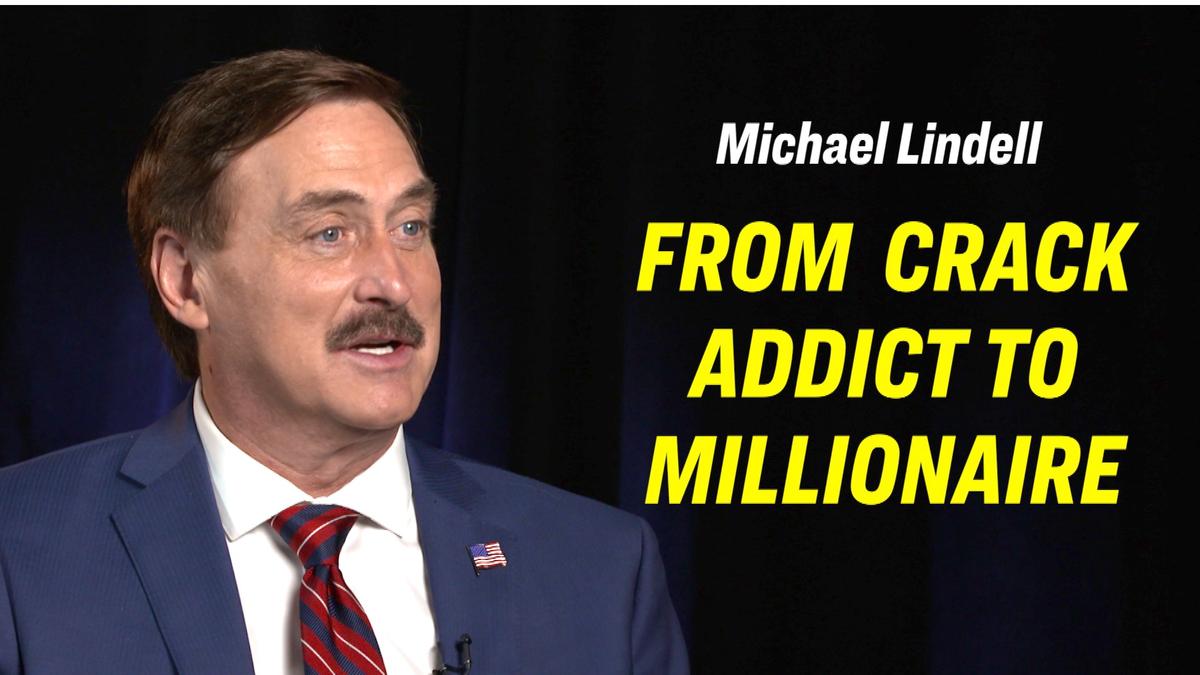
Lindell's early biography is a documented rags-to-riches tale. Before achieving retail success, he battled severe addictions to crack cocaine, alcohol, and gambling throughout the 1980s and 1990s. In 2004, he invented the patented, open-cell foam MyPillow, initially selling it at local home shows, mall kiosks, and state fairs across the Midwest.
The turning point arrived in 2011 when Lindell scraped together funding to produce his first full-length television infomercial. The campaign was a massive success, catapulting MyPillow into national consciousness. By 2017, MyPillow had sold tens of millions of units and employed over 1,500 people at its Chaska, Minnesota manufacturing facilities.
The Real Economics of MyPillow
While gross sales were impressive, MyPillow operated on a business model that demanded massive reinvestment into advertising. Lindell rarely stockpiled liquid capital in traditional investment portfolios or diverse equity holdings. Key financial traits of his business included:
- Massive Ad Spend: MyPillow routinely spent over $100 million annually on direct-response television, radio, and digital advertising to maintain sales volume.
- Single-Asset Concentration: Lindell's wealth was almost entirely tied to the private equity valuation of a single privately held company, rather than a diversified asset portfolio.
- High Operating Overheads: Domestic manufacturing inside Minnesota factories provided great marketing appeal, but it also incurred significantly higher labor and operational costs than outsourcing production abroad.
The Legal Battles That Devastated Lindell's Net Worth
Following the 2020 U.S. presidential election, Lindell shifted his attention and resources heavily into political activism, promoting claims of widespread voting machine tampering. This pivot triggered an unprecedented series of costly legal disputes that fundamentally dismantled his financial foundation.

Defamation Lawsuits: Dominion and Smartmatic
Both Dominion Voting Systems and Smartmatic filed multi-billion-dollar defamation lawsuits against Lindell and MyPillow. Defending against high-stakes corporate litigation requires enormous capital reserves. By late 2023, Lindell publicly acknowledged that the ongoing legal fees had consumed tens of millions of dollars.
The strain became so severe in October 2023 that Lindell's primary legal defense firm, Parker Daniels Kibort LLC, moved to withdraw from representing him, citing millions of dollars in unpaid legal bills that Lindell could no longer satisfy.
The $5 Million "Prove Mike Wrong" Arbitration
In August 2021, Lindell hosted a symposium in South Dakota where he launched the "Prove Mike Wrong Challenge," offering a $5 million prize to anyone who could prove that his data did not reflect 2020 election results. Computer forensics expert Robert Zeidman analyzed the files and proved they were not election data.
When Lindell refused to pay, Zeidman took the dispute to binding arbitration. In April 2023, an arbitration panel ordered Lindell to pay Zeidman the full $5 million plus interest. A federal judge affirmed that ruling in early 2024, creating an immediate, enforceable multi-million-dollar liability.
Retail Fallout: How Major Boycotts Squeezed Revenue
Compounding Lindell's legal bills was a catastrophic drop in wholesale distribution. Following his political activism, several of MyPillow's largest retail partners severed ties, dealing a fatal blow to the brand's traditional retail channels:
- Walmart: Dropped MyPillow products from physical store shelves in 2022.
- Bed Bath & Beyond and Kohl's: Discontinued sales citing declining customer demand.
- Costco, QVC, and JCPenney: Phased out relationships, cutting off access to millions of shoppers.
Losing major wholesale distribution forced MyPillow to rely almost exclusively on direct-to-consumer digital channels and radio sponsorships. In mid-2023, MyPillow conducted a public auction of industrial sewing machines, delivery trucks, packing equipment, and warehouse inventory to generate immediate liquidity. Lindell also surrendered leases on substantial warehouse footprints across Minnesota due to missed rent payments.
What Is Mike Lindell's Net Worth Today?
Estimating Lindell's net worth today points toward near-total depletion. In sworn court declarations and public interviews throughout late 2023 and 2024, Lindell stated plainly that he had run out of liquid money and had exhausted his credit lines.
Financial realities defining his current status include:
- Negative Net Liquidity: With multiple bank lines frozen, tax liens from the IRS and state authorities, and millions owed in legal fees, Lindell has described himself as effectively living paycheck-to-paycheck through daily corporate cash flow.
- Unsecured and Enforceable Judgments: Between the $5 million Zeidman judgment and looming civil liability from pending defamation suits, Lindell's potential liabilities vastly exceed his realizable assets.
- Depressed Business Valuation: Because MyPillow's core retail distribution has collapsed and sales have dropped dramatically, the enterprise value of MyPillow itself—once Lindell's crown jewel—is a fraction of its former valuation.
Final Verdict
Mike Lindell never achieved billionaire status, even at the very top of his commercial career. His story demonstrates how quickly concentrated wealth can erode when a business owner ties their personal brand entirely to controversial public battles, loses essential distribution partners, and incurs relentless litigation liabilities. From an estimated peak of around $50 million to $300 million, Lindell's financial background reflects an extraordinary rise followed by an equally dramatic decline.