Is Saudi Arabia THE World’s Next Big Travel Trend?
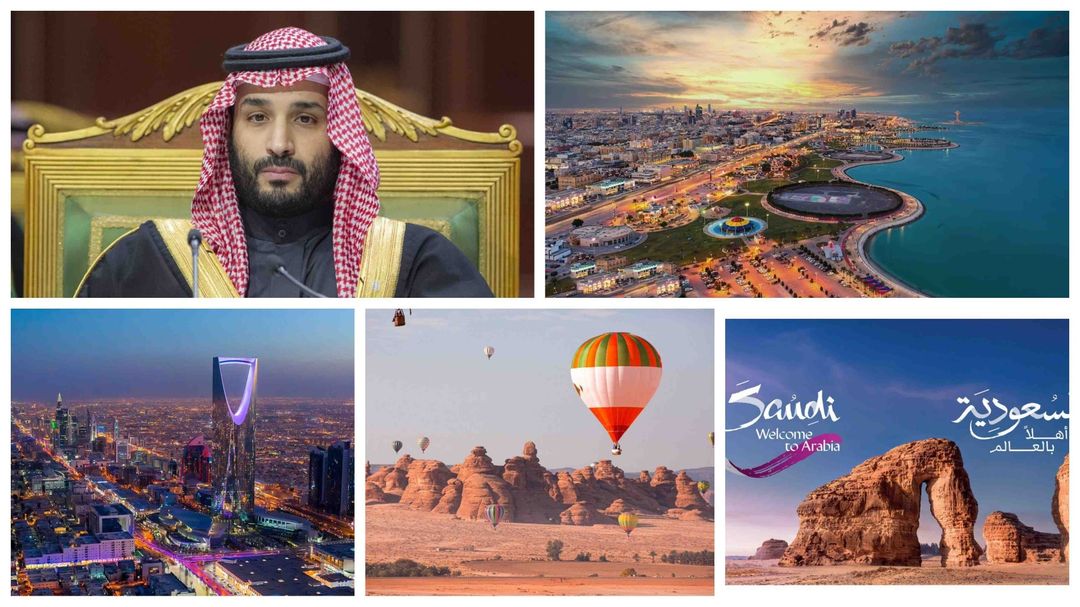
For decades, Saudi Arabia remained one of the most enigmatic and least-visited nations on earth, largely closed off to international leisure travelers. Today, the Kingdom is undergoing a seismic cultural and economic shift under Vision 2030, rapidly opening its doors to the world. With monumental investments in infrastructure, heritage preservation, and eco-luxury resorts, wanderlust seekers are increasingly asking: Is Saudi Arabia THE World’s Next Big Travel Trend? Here’s Why!

The Strategic Pivot: Opening the Kingdom
In late 2019, Saudi Arabia launched its tourist e-visa program, instantly making it easier for citizens from dozens of countries to visit. This historic move signaled a definitive pivot away from an oil-dependent economy toward a future where tourism plays a central role. Since then, the Kingdom has invested billions of dollars into building world-class airports, luxury hotels, and entertainment hubs, aiming to attract 150 million annual visitors by 2030.
Unlike traditional tourist hotspots that suffer from severe overtourism, Saudi Arabia offers a refreshing alternative: vast, untouched landscapes where you can travel for hours without encountering crowds. It is a destination of scale, contrast, and discovery.
Top Destinations Driving the Tourism Boom
Saudi Arabia is geographically diverse, spanning dramatic mountain ranges, lush green valleys, sweeping sand dunes, and pristine marine environments. Several key projects and regions are driving this massive surge in global interest.
1. AlUla: The Open-Air Museum
Nestled in the desert of northwest Saudi Arabia, AlUla is arguably the crown jewel of the country's tourism ambitions. It is home to Hegra, Saudi Arabia’s first UNESCO World Heritage Site, which features monumental sandstone tombs carved by the ancient Nabateans—the same civilization that built Petra in neighboring Jordan.
Beyond history, AlUla has positioned itself as a hub for luxury art and architecture. The Maraya concert hall, a massive mirror-cube building reflecting the surrounding desert, holds the Guinness World Record for the largest mirrored building in the world. Visitors can enjoy hot air balloon rides over ancient tombs, fine dining under the stars, and immersive art installations.
2. The Red Sea Project: Regenerative Coastal Luxury
Video: INSIDE SAUDI ARABIA 2026 🇸🇦 - NOT What you Think!

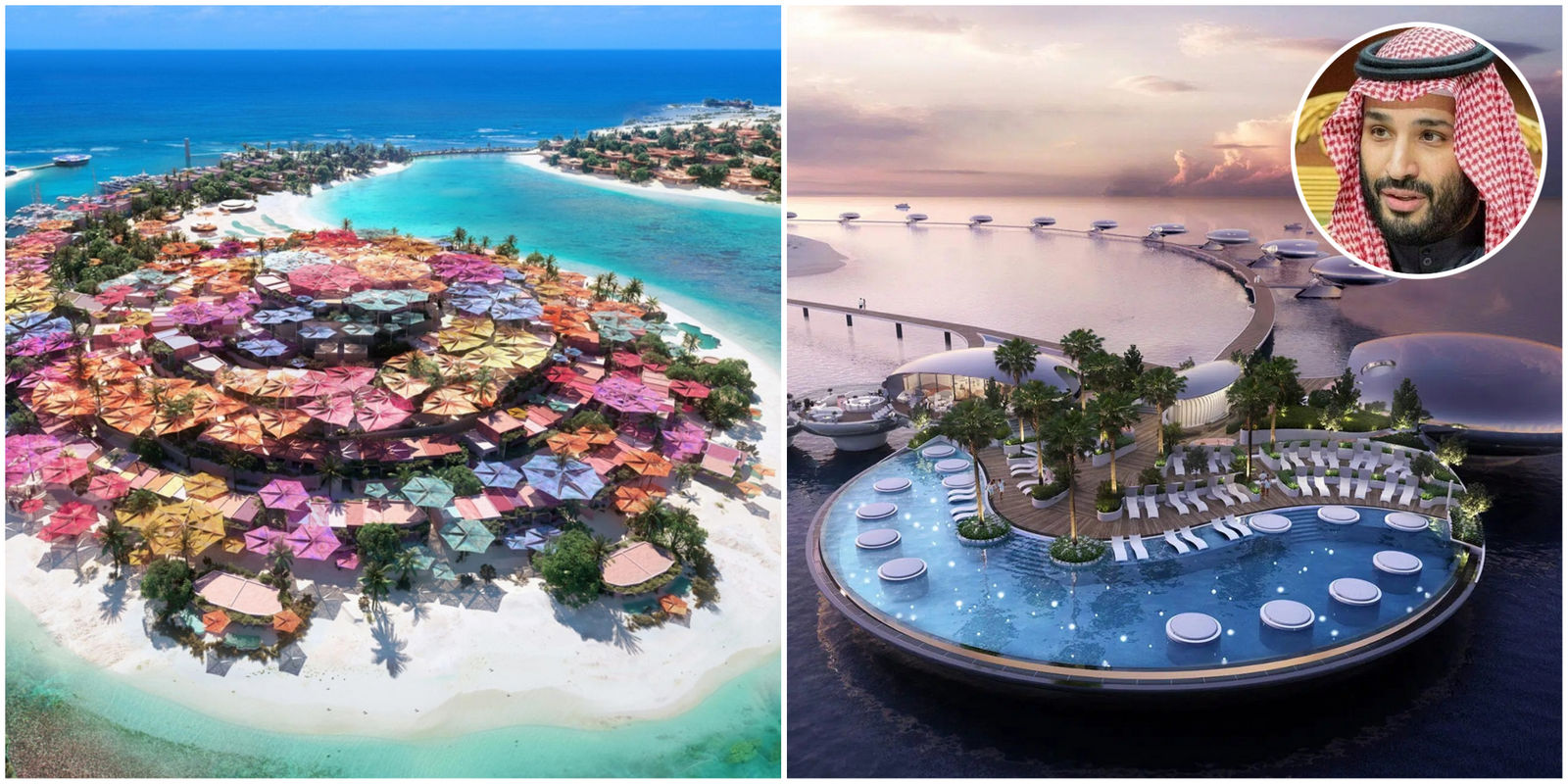
The Red Sea is often called the 'Galapagos of the Middle East' due to its thriving, largely untouched barrier reefs, rich marine life, and pristine archipelago of over 90 islands. Sustainable development is at the heart of this region, with resorts powered entirely by renewable energy and strict caps on visitor numbers to protect fragile coral ecosystems.
Ultra-luxury hospitality brands like St. Regis, Ritz-Carlton Reserve, and Six Senses have opened or are launching properties here, offering private island getaways, world-class diving, and elite wellness retreats.
3. Diriyah and Riyadh: Where Heritage Meets Modernity
In the capital city of Riyadh, ancient history collides with hyper-modern ambition. Just outside the city lies At-Turaif in Diriyah, the ancestral home of the Saudi royal family and a UNESCO World Heritage site constructed from traditional mud-bricks.
Meanwhile, downtown Riyadh hosts Riyadh Season, a massive annual entertainment festival that brings international music acts, sporting events, and global culinary pop-ups to the desert metropolis, showcasing the youthful, dynamic energy of modern Saudi society.
Practical Tips for Traveling to Saudi Arabia
If you are planning a trip to catch this emerging trend early, a little preparation goes a long way. Keep these essential tips in mind:
- Visa Availability: Citizens of over 60 countries can apply for an e-visa online or obtain a visa-on-arrival. Travelers can also take advantage of the free 96-hour transit visa when flying with national carriers like Saudia or Flynas.
- Dress Code: While the strict abaya (cloak) requirement for women has been lifted, dressing modestly is still expected. Both men and women should cover their shoulders and knees in public spaces.
- Cultural Etiquette: Saudi hospitality is legendary. Locals are incredibly welcoming and proud to share their culture with foreigners. Learning a few words of Arabic, such as 'Salam Alaikum' (peace be upon you) and 'Shukran' (thank you), goes a long way.
- Getting Around: Because the country is vast, domestic flights are the most efficient way to travel between major regions like Riyadh, Jeddah, AlUla, and the Red Sea. Renting a car is also a great option for road trips through the mountains of Asir or the canyons of AlUla.
The Verdict: Should You Visit Now?
Saudi Arabia represents one of the last great frontiers in global travel. Visiting now allows you to experience a destination on the cusp of major global discovery—before the mass tour buses arrive. Whether you are chasing ancient history in the footsteps of Lawrence of Arabia, diving into the vibrant coral reefs of the Red Sea, or experiencing the warm hospitality of local Bedouin communities, Saudi Arabia offers a travel experience that is both deeply authentic and refreshingly novel. It isn’t just a passing travel trend; it is the reshaping of modern tourism.