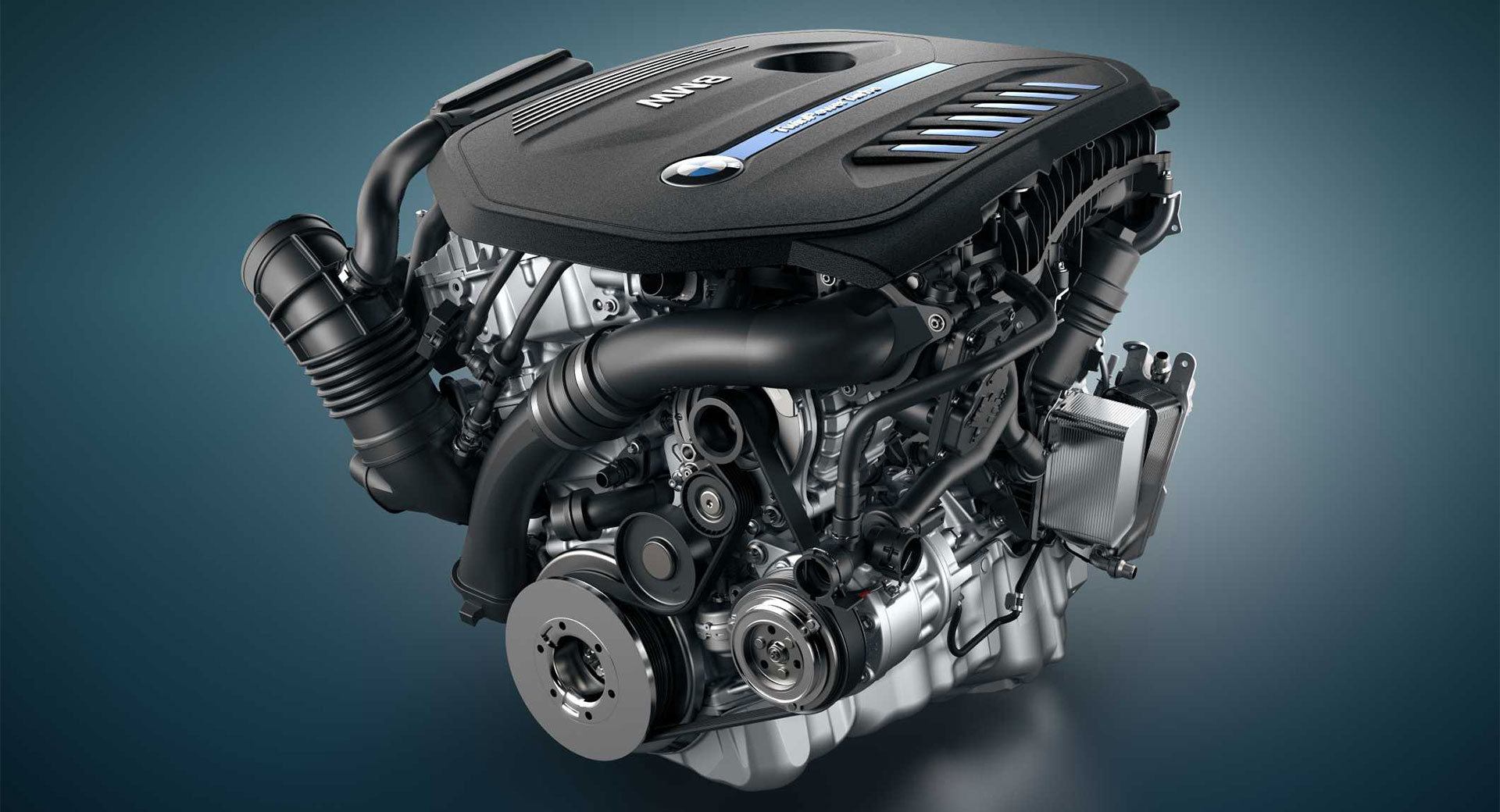
Is the B58 Engine Reliable? Real-World Breakdown
When BMW introduced the 3.0-liter B58 turbocharged inline-six in 2015, enthusiast forums held their collective breath. BMW had a history of producing brilliant performance engines that were plagued by costly maintenance nightmares, such as failing rod bearings, high-pressure fuel pump blowouts, and endless oil leaks. Many prospective buyers immediately began asking: is B58 engine reliable enough to own past the warranty period?

After nearly a decade in production across dozens of BMW models and the fifth-generation Toyota GR Supra, the data is in. The B58 is not just a worthy successor to the N55; it has established itself as one of the most reliable and robust six-cylinder engines ever built by a European automaker.
The Direct Answer: Is the B58 Engine Reliable?
Yes. By virtually every automotive reliability metric, the B58 engine is exceptionally reliable. It routinely reaches 150,000 to 200,000 miles with little more than routine fluid changes and minor preventative maintenance. It does not suffer from the catastrophic structural flaws of older BMW engines like the N54 or S65.
Perhaps the most compelling proof of its reliability came in 2019, when Toyota chose the B58 to power the A90 Supra. Toyota’s chief engineer, Tetsuya Tada, put the B58 through Toyota’s notoriously demanding quality and durability testing. Toyota engineers disassembled the engine, requested minor metallurgical and supplier adjustments, and ultimately signed off on it—a rare endorsement from a brand famous for conservative engineering.
Key Engineering Upgrades That Make the B58 Reliable
To understand why the B58 holds up so well, you have to look at its mechanical architecture. BMW abandoned several design compromises from previous generations in favor of heavy-duty, commercial-grade construction.
- Closed-Deck Block: Unlike the open-deck N54 and N55, the B58 uses a closed-deck aluminum block. This reinforces cylinder bore rigidity, prevents cylinder distortion under high boost, and drastically reduces head gasket failures.
- Forged Internals: The B58 comes factory-equipped with a forged steel crankshaft and forged connecting rods. This heavy-duty bottom end easily handles the engine’s factory power output (320–382 horsepower) and allows enthusiasts to tune it to over 500 wheel horsepower on stock internals.
- Integrated Liquid-to-Air Intercooler: Instead of a traditional front-mount air-to-air intercooler, the B58 integrates a water-cooled intercooler directly into the intake manifold. This reduces boost lag, shortens intake plumbing, and eliminates multiple boost leak failure points.
- Refined VANOS and Valvetronic: BMW addressed the brittle plastic solenoids and sensor issues that plagued earlier variable valve timing systems, creating a much more resilient assembly.
Common B58 Engine Problems and Weak Points
While the internal structure of the B58 is nearly bulletproof, the engine is not completely flawless. Most of its known failure points involve external plastic and rubber components rather than major mechanical assemblies.
1. Coolant Loss and Leaks
The single most widespread complaint among B58 owners is mysterious coolant loss. This typically stems from three areas:
- Radiator Cap / Expansion Tank: The caps on the dual cooling reservoirs (one for the engine, one for the intercooler) often fail to hold pressure, allowing coolant to vaporize slowly without leaving a puddle.
- Water Pump: The mechanical water pump can develop small leaks from its weep hole or plastic impeller housing around 50,000 to 80,000 miles.
- Coolant Vent Lines: The thin plastic coolant lines running between the block and reservoir become brittle with heat cycles and can snap during routine service.
2. PCV Valve Diaphragm Rupture
The Positive Crankcase Ventilation (PCV) valve is integrated into the composite valve cover. Over time, the internal rubber diaphragm deteriorates from heat and oil exposure. When it tears, it produces a high-pitched whistling noise, erratic idling, and excessive oil consumption accompanied by smoke from the tailpipe. While BMW sells the valve cover as an entire unit, inexpensive aftermarket diaphragm repair kits now allow you to fix the problem without replacing the entire cover.
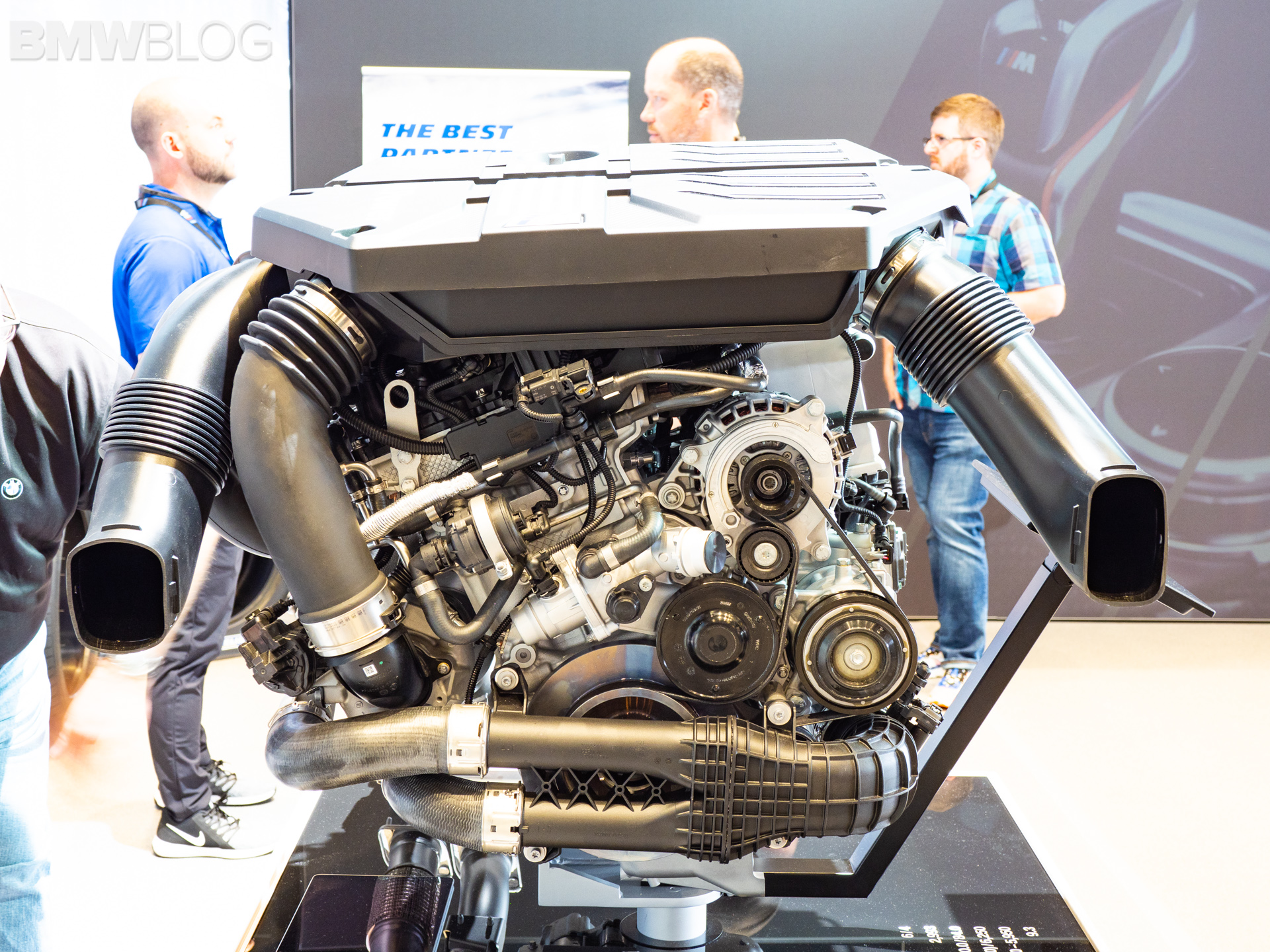
Video: BMW B58 Engine! I Uncovered the GOOD, the BAD, and the UGLY of Their POPULAR ENGINE!
3. Oil Filter Collapse
During an oil change, the paper pleats of the OEM oil filter cartridge can stick to the lower housing. If a technician pulls the filter out carelessly, the cartridge can twist, tear, or snap, leaving the lower half stuck in the bottom of the oil filter housing. While this is an annoyance rather than an inherent engine failure, forcing or driving with a collapsed filter can restrict oil flow.
4. Valve Cover and Oil Filter Housing Gaskets
Like every BMW engine produced in the last 40 years, the B58 will eventually develop oil leaks as rubber seals harden. Around 80,000 to 120,000 miles, expect to replace the valve cover gasket and the oil filter housing gasket (OFHG). Fortunately, the OFHG is significantly easier to access on the B58 than it was on the N55.
B58 vs. N55: A Night-and-Day Difference
If you have owned an older BMW with the N54 or early N55 engine, you are likely used to preventative rod bearing replacements, high-pressure fuel pump (HPFP) failures, and constant wastegate rattle. The B58 eliminates nearly all of these systemic headaches:
- Rod Bearings: The B58 uses robust bearing materials with improved oil delivery channels. Spun bearings are virtually nonexistent on stock and mildly tuned engines.
- Fuel Pumps: The revised high-pressure fuel pump setup is reliable and rarely fails under standard operating conditions.
- Turbocharger: The twin-scroll turbocharger uses an electronic wastegate and liquid cooling, preventing the premature rattle and boost control problems seen on older generations.
How Long Does the B58 Engine Last?
With conscientious maintenance, the B58 can comfortably last 180,000 to 220,000 miles before requiring any major mechanical refurbishment. Fleet data from high-mileage BMW 340i and 540i sedans shows that the core reciprocating assembly—the pistons, rings, valves, and timing chain—rarely suffers premature wear.
The timing chain on the B58 is located at the rear of the engine (against the firewall). While this design choice initially worried technicians because replacement requires pulling the engine or transmission, the chain, guides, and tensioners have proven exceptionally durable, showing almost no premature stretch at high mileage.
Essential Maintenance Practices for Maximum B58 Longevity
If you want your B58-powered vehicle to remain dependable well into six-figure mileage, adhere to these simple best practices:
- Change Oil Every 5,000 to 7,500 Miles: Ignore BMW’s 10,000-to-15,000-mile condition-based service intervals. Frequent changes with high-quality full synthetic oil (LL-01 FE or LL-17 FE+ approved) protect the timing chain and turbo bearings.
- Inspect Coolant Levels Every Quarter: Because the B58 runs hot to maximize thermal efficiency, check both the main and auxiliary coolant tanks regularly. Catching low levels early prevents overheating.
- Use OEM Oil Filters and Lube the O-Rings: Always use high-grade filters (such as Mann, Mahle, or genuine BMW/Toyota) and lubricate the housing O-rings to prevent filter disintegration on future removals.
- Replace Spark Plugs Every 40,000 to 50,000 Miles: Turbocharged direct-injection engines are hard on ignition components. Fresh spark plugs and ignition coils maintain optimal combustion and prevent cylinder misfires.
Final Verdict
So, is B58 engine reliable for long-term daily driving? Absolutely. It is arguably the most dependable engine BMW has manufactured in the 21st century. While you should budget for the occasional plastic coolant hose, an eventual valve cover replacement, and routine fluid flushes, you can buy a B58-equipped vehicle with genuine confidence that the core engine will go the distance.