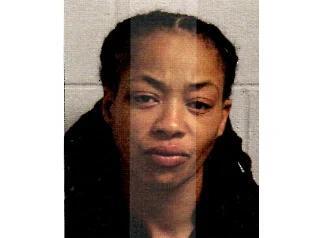
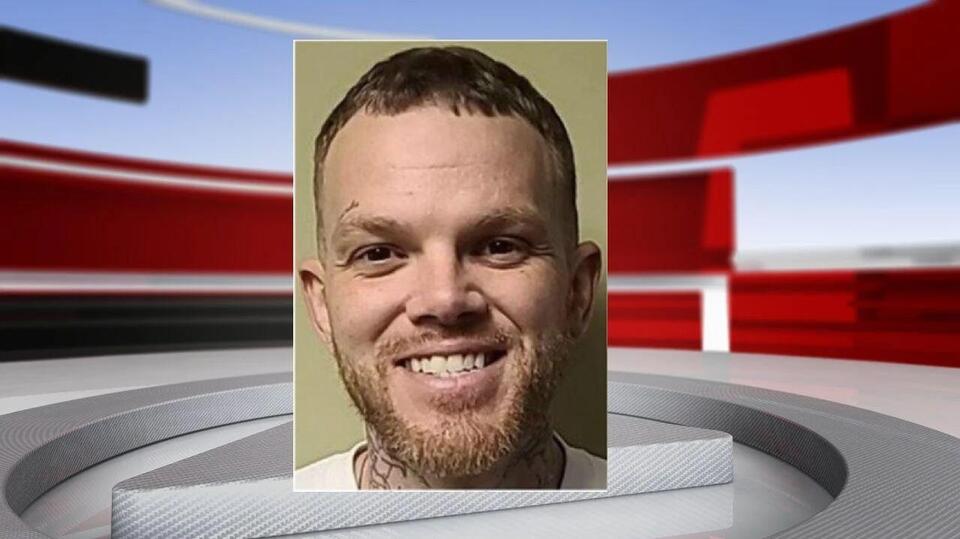
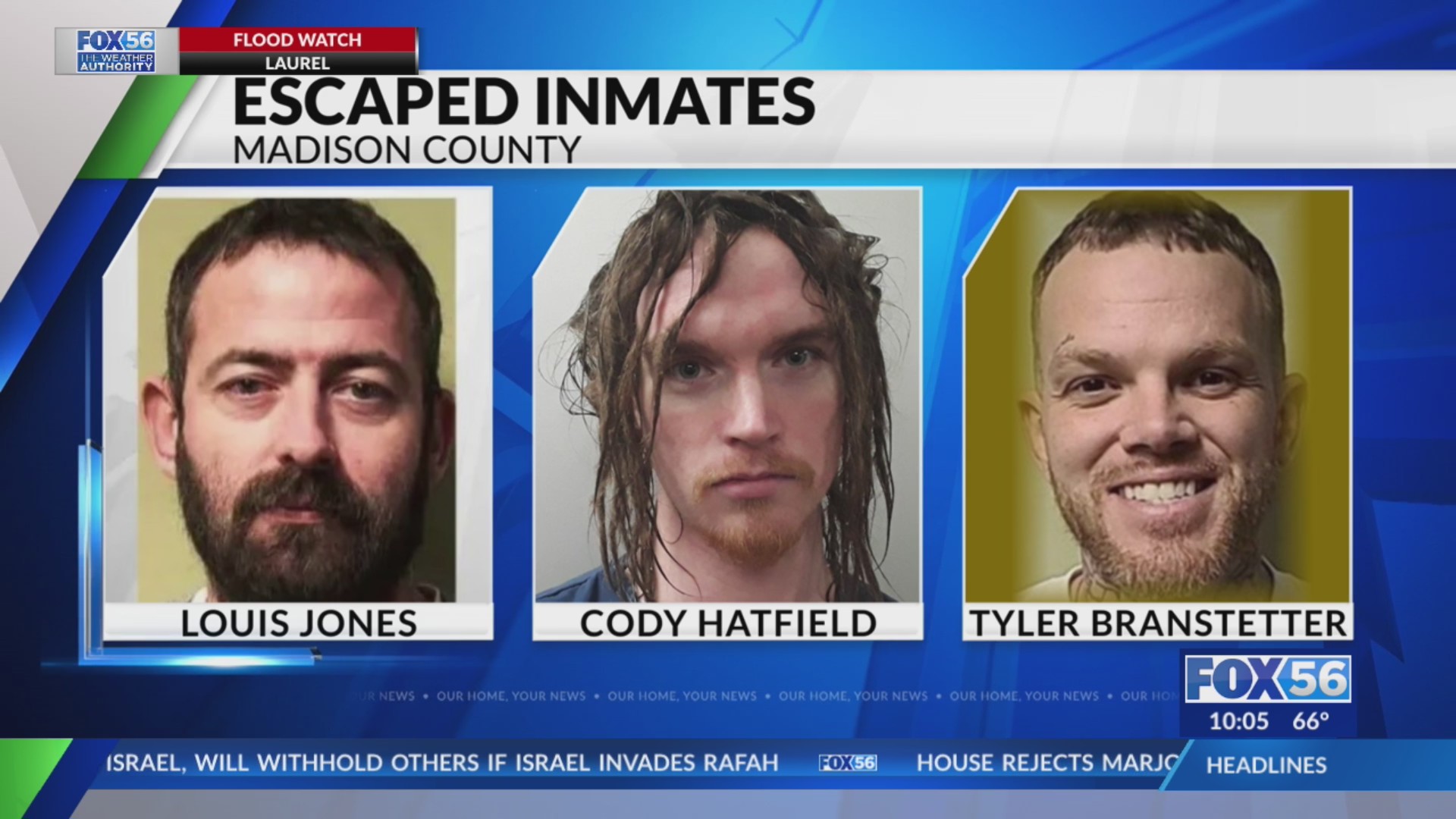
Is the Madison County KY Newspaper Hiding Mugshots?
If you regularly flip through local print editions or scroll regional news websites in Richmond and Berea, you may have noticed a distinct shift over the past several years: the daily arrest gallery has largely disappeared. This sudden absence has sparked rumors across social media community boards, leading some residents to ask: is the Madison County KY newspaper hiding something about mugshots?

When routine police blotters and arrest photos vanish from the public eye, it is natural for readers to suspect favoritism, political pressure, or selective censorship. However, the reality behind this editorial shift has far less to do with local cover-ups and everything to do with shifting state laws, digital privacy concerns, and nationwide changes in journalistic standards.
Is the Madison County KY Newspaper Hiding Something About Mugshots?
The short answer is no. Local news organizations serving Madison County—most notably The Richmond Register—are not running a clandestine operation to shield certain individuals from public scrutiny. Instead, the decision to eliminate or strictly limit booking photos is part of an industry-wide reassessment of how crime reporting impacts communities.
For decades, local newspapers across the United States printed arrest logs and mugshots as easy, high-engagement content. In the print era, these photos appeared once on newsprint and were recycled the next day. But the transition to the internet fundamentally changed the consequences of that coverage. A booking photo published online creates an indelible, searchable digital record that persists indefinitely—regardless of the final outcome of the case.
When community members ask whether editors are hiding something, they are usually responding to a visible discrepancy: someone they know was arrested, but no mugshot appeared online. Rather than protecting individual suspects, local newsrooms have instituted universal policies designed to treat all low-level arrests equally by omitting routine booking photos entirely.
Why Local Newspapers Moved Away from Mugshot Galleries
The movement away from "mugshot galleries" and arrest slideshows was driven by a combination of legal, ethical, and practical realities. Major publishing groups, including CNHI (the parent company of The Richmond Register), enacted policies to modernize their crime coverage based on several core factors:
1. The Presumption of Innocence
In the American legal system, an individual is presumed innocent until proven guilty in a court of law. An arrest indicates that law enforcement found probable cause, but it is not a conviction. Many individuals arrested in Madison County see their charges dismissed, amended to minor infractions, or dropped entirely due to lack of evidence.
When a newspaper publishes a mugshot, the public often assumes guilt immediately. By declining to publish photos of individuals charged with non-violent or misdemeanor offenses, newspapers avoid permanently damaging the reputations of people who may ultimately be cleared of all wrongdoing.
2. The Permanent Digital Scarlet Letter
Before search engines, an arrest blotter was quickly forgotten. Today, a digital booking photo indexed by Google can follow an individual for decades. This "digital scarlet letter" creates severe, lasting hurdles when individuals attempt to secure employment, find housing, or obtain professional licenses—even if they were never convicted.
3. Combating Commercial Mugshot Extortion
During the 2010s, predatory commercial websites began scraping booking photos directly from local newspaper sites and law enforcement portals. These third-party operators would then charge affected individuals thousands of dollars in "removal fees" to take the photos down. By ceasing the routine publication of booking photos, legitimate news outlets eliminated the primary content pipeline feeding these exploitative platforms.

4. Racial and Socioeconomic Disparities
Extensive media research has shown that routine mugshot galleries disproportionately highlighted individuals from marginalized communities and low-income backgrounds who could not afford immediate legal counsel or bail. News organizations determined that publishing these galleries served entertainment value rather than legitimate public interest, reinforcing negative stereotypes rather than informing the public.
Kentucky Laws Governing Booking Photos and Public Records
The shift in newsroom policy has also been reinforced by changes in Kentucky state law. Kentucky lawmakers have taken active steps to curb the misuse of booking records and protect citizens from predatory commercial publications.
Under Kentucky Revised Statutes (KRS), legislation has targeted predatory mugshot websites that demand payment for image removal, making such practices unlawful. Furthermore, discussions surrounding the Kentucky Open Records Act (KORA) continue to debate the balance between public transparency and individual privacy rights prior to formal indictment or conviction.
While jail records remain public information in Kentucky, law enforcement agencies and detention facilities have increasingly tightened their own direct distribution channels to prevent third-party commercial exploitation. Newspapers must weigh the public’s right to know against the legal liability and ethical harm of distributing unverified pretrial images.
How to Access Public Arrest Records in Madison County
If the local newspaper is not publishing mugshots, does that mean arrest information is secret? Absolutely not. Arrest records, court dates, and detention rosters remain open records accessible to any member of the public.
If you need to verify an arrest or look up a case in Madison County, several legitimate public resources are available:
- Madison County Detention Center (MCDC): The county jail, located in Richmond, maintains an online inmate roster showing current bookings, charges, and bond amounts for individuals currently housed at the facility.
- Kentucky Court of Justice (KCOJ): The state court system provides online access through CourtNet and public dockets, allowing you to track active criminal cases, scheduled hearings, and final dispositions in Madison District and Circuit Courts.
- Local Police Departments: Both the Richmond Police Department and the Berea Police Department maintain public records units where citizens can request police reports and incident logs in accordance with the Kentucky Open Records Act.
- Madison County Sheriff’s Office: The sheriff's office processes process service, warrants, and criminal reports, which can be reviewed through official administrative channels.
When Do Newspapers Still Publish Mugshots?
The decision to stop running daily arrest roundups does not mean local papers will never publish a booking photograph. Most reputable newsrooms maintain clear editorial guidelines detailing the specific exceptions where publishing a mugshot serves a compelling public interest:
- Imminent Public Safety Threats: If a suspect is actively evading law enforcement and poses an ongoing danger to the Madison County community, photos are published to aid in their capture.
- Public Figures and Officials: When an elected official, community leader, or law enforcement officer is arrested, the public oversight function of journalism warrants full coverage, including identification.
- Severe Violent Crimes: Cases involving homicides, major violent felonies, or large-scale financial fraud that significantly impact the community generally meet the threshold for publishing booking images.
- Post-Conviction Reporting: After a defendant has been found guilty in court, the presumption of innocence no longer applies, and publishing an image does not carry the same ethical hazard.
A Matter of Ethics, Not a Cover-Up
Far from hiding the truth, local news outlets in Madison County have realigned their crime coverage with modern professional ethics. Rather than serving as an unfiltered bulletin board for every misdemeanor arrest, community journalism has evolved to focus on meaningful court reporting, public accountability, and systemic justice issues.
Public records in Kentucky remain robust and accessible. If you want to know who is currently in custody, the Madison County Detention Center provides that data directly. But as far as the local press is concerned, leaving mugshots off the front page is a deliberate editorial choice meant to preserve fairness, protect personal privacy, and uphold the presumption of innocence for all community members.