Is Valve’s Net Worth the Secret Behind Its Gaming Dominance?
When gamers think of industry titans, giants like Sony, Microsoft, and Nintendo usually come to mind. Yet, Valve Corporation commands a level of influence over PC gaming that arguably surpasses them all. Through the Steam marketplace, revolutionary hardware like the Steam Deck, and monumental game franchises, Valve has shaped the modern digital landscape. Naturally, this prompts a recurring question among industry analysts and enthusiasts: Is Valve’s net worth the secret behind its gaming dominance? Answer now!
Because Valve is a privately held company founded by Gabe Newell and Mike Harrington in 1996, it does not have to publicly disclose its exact financial statements. However, financial leaks, legal proceedings, and analyst estimates paint a picture of staggering profitability. By examining how Valve generates and utilizes its immense capital, we can understand whether deep pockets are truly the driving force behind its enduring supremacy.
The Anatomy of Valve's Financial Empire
To understand Valve's market position, you have to look at where its money comes from. Unlike traditional game developers who rely on massive, high-risk blockbuster releases every few years, Valve operates a digital infrastructure that prints money passively 24 hours a day, 7 days a week.
The Steam Cash Cow
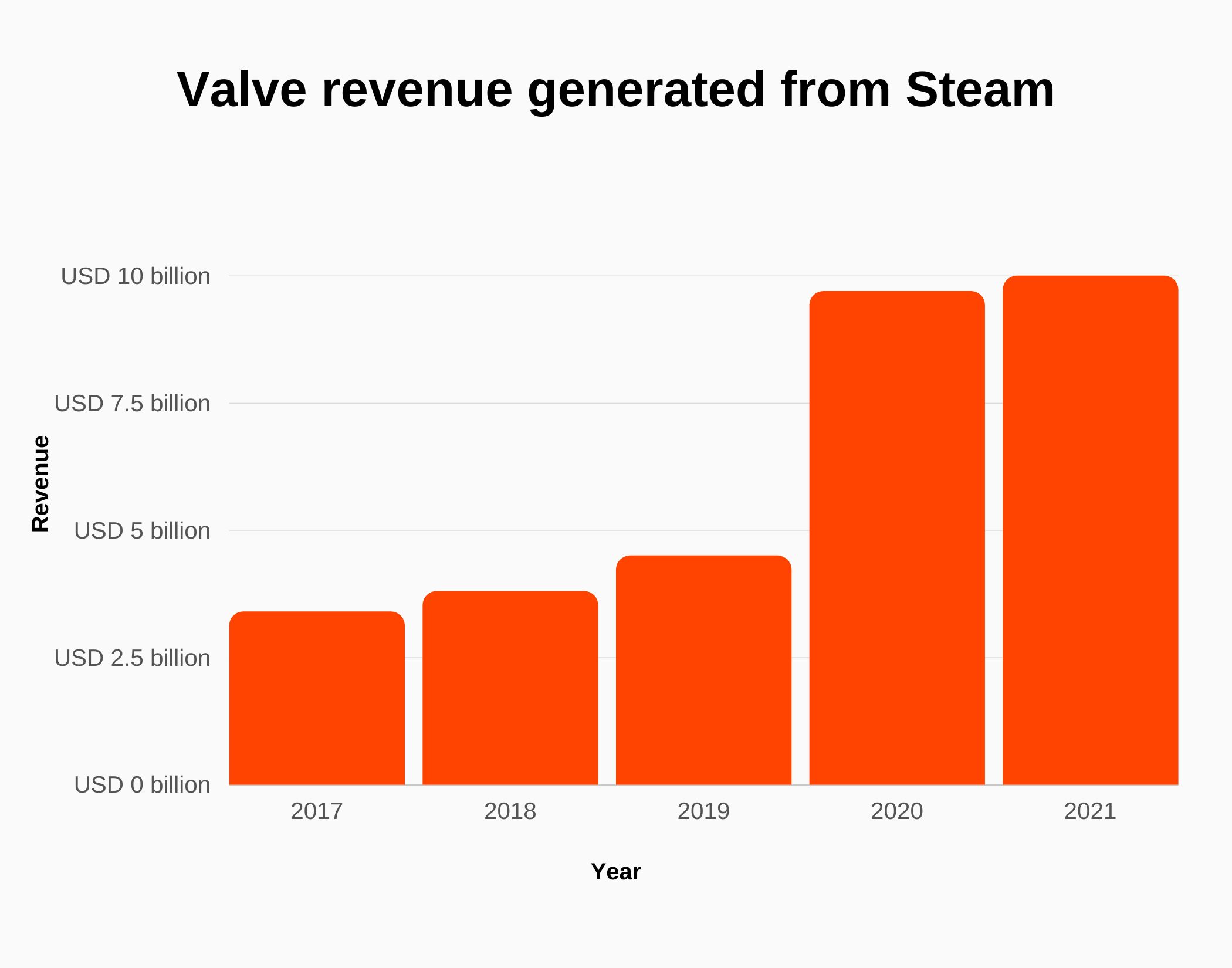
The crown jewel of Valve's financial empire is Steam. As the dominant digital storefront for PC games, Steam takes a cut—historically around 30%—from almost every game sold on its platform. With tens of millions of concurrent users daily, this commission structure yields billions of dollars in gross revenue annually.
Consider these key revenue drivers for the platform:
- Third-Party Game Sales: A percentage cut of thousands of indie and AAA titles sold globally.
- In-Game Microtransactions: Multi-million dollar economies built around games like Counter-Strike 2 and Dota 2, where Valve takes a cut of every community market transaction.
- Seasonal Sales: Massive influxes of capital during events like the Steam Summer and Winter Sales.
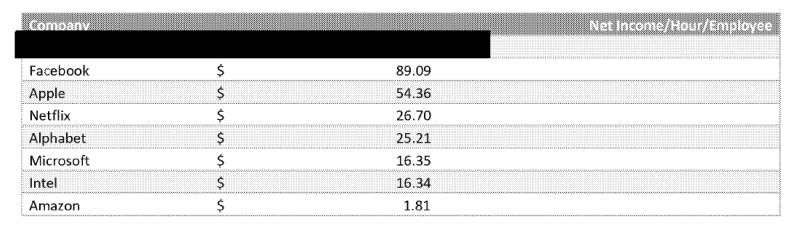
Estimates place Valve’s annual revenue in the billions, outperforming many publicly traded publishers while operating with a fraction of the headcount. This lean, highly profitable business model has built a massive corporate war chest.
Is Valve’s Net Worth the Secret Behind Its Gaming Dominance?
While a massive net worth provides undeniable advantages, calling it the sole secret behind Valve's success tells only half the story. Money alone does not guarantee cultural relevance or technological innovation—as evidenced by other wealthy corporations that have failed to crack the gaming market.
Instead, Valve’s financial strength acts as an enabler for a unique corporate philosophy that public companies simply cannot replicate.
Freedom from Wall Street Pressure
The most significant advantage of Valve’s private status is autonomy. Publicly traded companies must answer to shareholders and quarterly earnings reports. This often leads to risk-averse decision-making, hurried game releases, aggressive monetization, and sudden mass layoffs to appease Wall Street.
Because Gabe Newell and private stakeholders own the majority of Valve, the company can afford to play the long game. If a project takes five years longer than expected, or if a hardware division runs at a loss for years, Valve absorbs the cost without crashing its stock price. This financial insulation allows the company to take massive creative and technological risks.
Funding R&D and Hardware Revolutions
Valve’s net worth directly fuels its ability to innovate in hardware and software spaces where others fear to tread. Developing the Steam Deck, Valve Index VR headset, or experimental controllers requires hundreds of millions of dollars in research, development, and supply chain logistics with no guaranteed return.
Smaller developers could never finance such ambitious hardware ventures. Valve uses its Steam profits to subsidize hardware manufacturing, selling devices like the Steam Deck at aggressively low price points to capture market share. This hardware dominance ensures that PC gamers remain tethered to the Steam ecosystem.
The Non-Financial Pillars of Valve’s Success
While financial muscle keeps the engine running, money does not fully explain why Valve maintains such fierce customer loyalty and cultural dominance. Several non-monetary factors complement their economic power:
- First-Mover Advantage: Steam was the first robust, reliable digital distribution platform for PC gaming, building a massive library and user trust before serious competitors emerged.
- Pro-Consumer Policies: Features like cloud saves, the Steam Workshop, generous refund policies, and community forums turned Steam into a social hub rather than just a store.
- Platform Monopoly (by Merit): Even when competitors like the Epic Games Store try to buy market share with free games and exclusive titles, gamers stubbornly stick to Steam because of its superior ecosystem and library accumulation.
Conclusion
So, is Valve's net worth the secret behind its gaming dominance? The answer is nuanced. Valve's staggering financial health is the foundation that makes its dominance possible. It provides the freedom to ignore short-term profits, fund ambitious hardware like the Steam Deck, and weather economic shifts without compromising quality.
However, money is merely the fuel. The true engine behind Valve's supremacy is strategic foresight: building an inescapable digital ecosystem early, respecting the PC gaming community, and maintaining the operational freedom to innovate on their own terms. Together, a multi-billion-dollar war chest and a visionary business model have created a titan that remains virtually untouchable in the modern gaming landscape.