Is Your Child Cheating? What the Stats Say
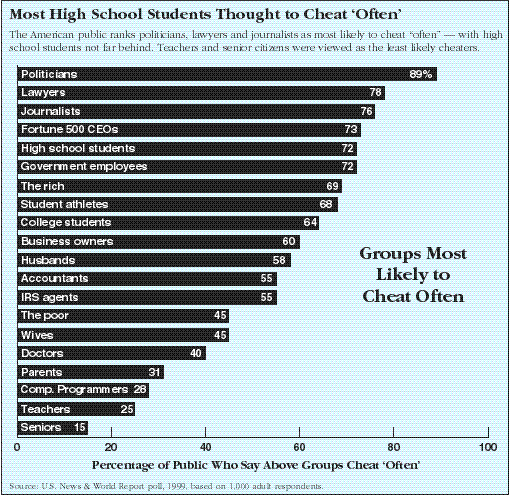
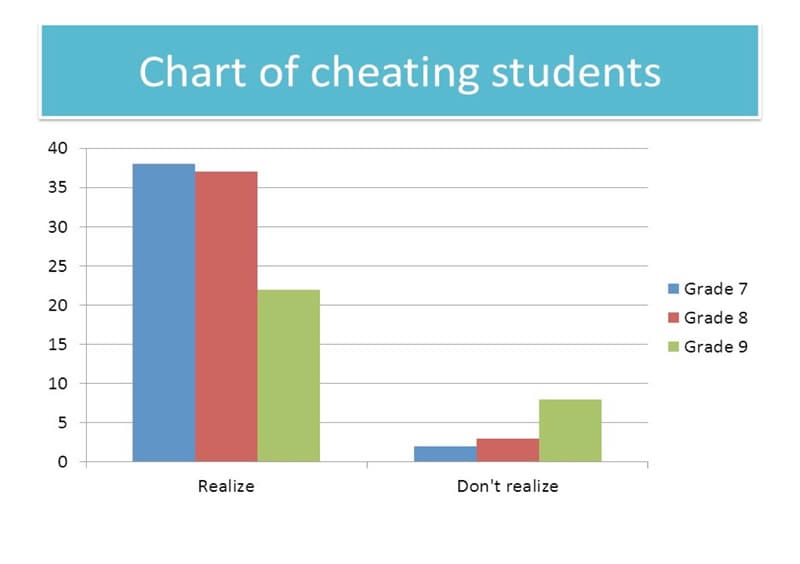
Academic dishonesty has evolved far beyond the classic scenario of glancing at a classmate’s paper during a math test. Today, it involves sophisticated text-generation tools, shared group chats, and online essay banks. When educators and researchers look closely at the modern classroom, a troubling baseline emerges: statistics consistently show that roughly 23 25 percent of students cheat. This reality leaves many conscientious parents asking a difficult question: Are your kids doing this?

Even high-achieving, well-behaved children can fall into the trap of academic dishonesty. Understanding the pressures behind this behavior is the first step toward guiding your child back toward integrity without damaging their self-esteem.
Why Good Kids Make Poor Choices
Most parents assume that only lazy or disengaged students cheat. However, educational psychologists find that the primary driver behind cheating is not laziness—it is pressure. The modern educational landscape is hyper-competitive, and students often feel that their entire future hinges on a single letter grade.
The GPA Obsession
College admissions have become fiercely competitive. Students often believe that a GPA of 3.8 is the minimum barrier to entry, rather than a reflection of actual learning. When a child falls behind due to illness, extracurricular commitments, or simply a difficult unit, the fear of a lower grade can push them to take shortcuts.
The Normalization of Technology
Digital tools have blurred the lines of ownership. Copying and pasting a paragraph from the internet, using an AI tool to write an entire essay, or searching for answers on a homework-help app feels less like traditional "cheating" to a teenager. Because the action is mediated by a screen, the emotional weight of dishonesty is often lost.
Signs That Your Child Might Be Cheating

Children rarely confess to cheating unprompted. They are often driven by shame and the fear of disappointing their parents. Because of this, parents need to watch for behavioral and academic red flags.
- Sudden, unexplained grade spikes: A student who consistently struggles in chemistry suddenly scores a 100% on a notoriously difficult exam without a clear reason.
- Unusual device behavior: Quickly closing browser tabs, hiding smartphone screens, or acting defensive when you walk by while they are doing homework.
- Heightened anxiety around specific subjects: Extreme dread regarding a particular class can indicate that the student feels out of their depth and desperate for a way out.
- A shift in peer groups: Associating with students who openly brag about bypassing assignments or using unauthorized aids.
When 23 25 Percent of Students Cheat: How to Talk to Your Kid
If you suspect or know that your child has cheated, your reaction will set the tone for how they handle future mistakes. An explosive, punitive reaction often drives the behavior further underground, teaching the child only to become better at hiding it.
Instead, approach the situation with curiosity and calm concern. Frame the conversation around their well-being rather than just school rules.
- Separate the child from the behavior: Make it clear that cheating is a poor choice, but it does not make them a "bad person."
- Dig into the root cause: Ask open-ended questions like, "I noticed your grade in history went up very quickly, but you seemed stressed. Talk to me about how you prepared for that test."
- Assess workload and mental health: Check if your child is overextended. Sleep deprivation, packed schedules, and chronic stress are major catalysts for poor decision-making.
- vReframe the goal from grades to mastery:** Emphasize that you care more about what they are learning and how they are growing than whether they secure a spot on the honor roll.
Preventative Strategies for Parents
You cannot control the classroom environment, but you can build a resilient culture of ethics at home. Help your child develop coping mechanisms so they don't feel driven to dishonesty when academic pressure mounts.
Teach them that it is acceptable to fail an assignment. A low grade is simply feedback; it tells the teacher and the student where extra support is needed. When failure carries zero shame, the temptation to cheat diminishes significantly.
Ultimately, addressing the reality of academic dishonesty requires patience and open communication. By keeping tabs on your child's mental health and workload, you can help them navigate school with both their integrity and their confidence intact.