Is Your myaarpmedicare.com Provider REALLY Covered?
Few things are more frustrating than scheduling an appointment with a doctor you found online, only to receive a surprise four-figure bill weeks later. If you manage your health coverage through UnitedHealthcare, you have likely asked yourself: Is your myaarpmedicare.com provider REALLY covered?

While the online portal (which directs members to UnitedHealthcare's modern member dashboard) offers a searchable directory of healthcare professionals, relying entirely on a casual search can lead to costly mistakes. Provider networks change constantly, online databases suffer from lag, and the distinction between "taking your insurance" and being fully "in-network" catches thousands of seniors off guard each year.
Before you sit in the waiting room, here is everything you need to know to confirm your provider is truly covered under your specific plan.
The Crucial Difference Between "Taking" Insurance and Being "In-Network"
One of the most common billing traps involves front-desk terminology. When you call a clinic and ask, "Do you take AARP Medicare?" the receptionist might politely say yes. However, that answer does not guarantee your visit will be covered at the contracted in-network rate.
There are two distinct scenarios you must distinguish:
- Accepting the Insurer (Out-of-Network Billing): A provider may be willing to bill UnitedHealthcare on your behalf as a courtesy. However, if they have not signed a participating provider contract with your specific plan, you will be billed out-of-network rates—or be responsible for the entire balance yourself.
- Contracted In-Network Provider: The physician has an active, signed agreement with your exact Medicare Advantage plan network. They have agreed to negotiated fee schedules and cannot balance-bill you beyond your designated copayment or coinsurance.
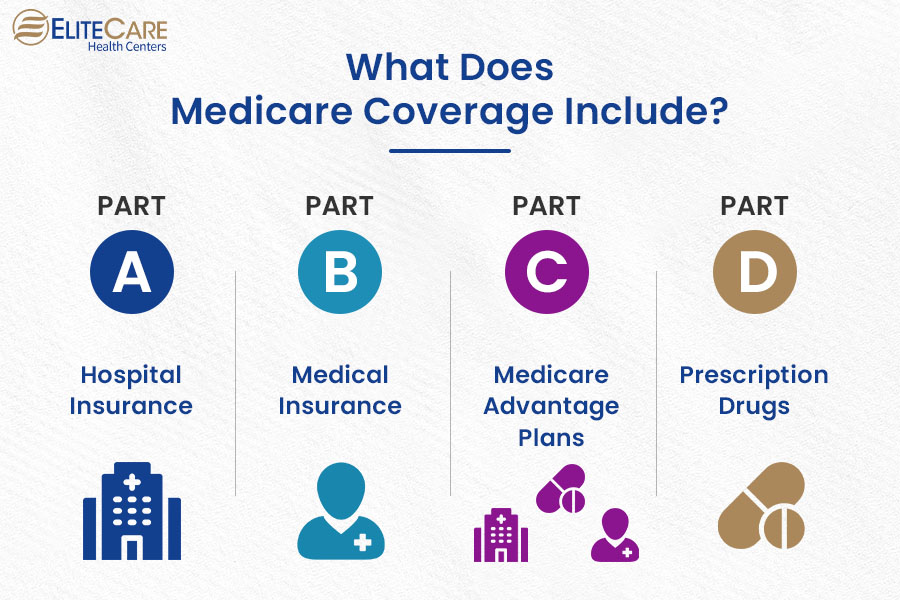
If you hold an AARP Medicare Supplement (Medigap) plan, the rules are different: any provider in the nation who accepts Original Medicare will accept your supplement. But if you have an AARP Medicare Advantage (HMO or PPO) plan, you are bound to a managed care network.
Why You Must Ask: Is Your myaarpmedicare.com Provider REALLY Covered?
Online provider directories are notorious for containing errors, commonly known in the healthcare industry as "ghost networks." Even on official portals linked to myaarpmedicare.com, directory discrepancies happen regularly for several reasons:
1. Administrative Delays and Directory Lag
When a physician leaves a medical group, relocates, or opts out of an insurer's network, it can take anywhere from 30 to 90 days for digital directories to reflect that change. If you search during that transition window, the website may still display them as active.
2. Location-Specific Network Contracts
A specialist might be in-network when working out of an affiliated hospital clinic on Tuesdays, but considered out-of-network when seeing patients at their private satellite office on Thursdays. Provider directories frequently list the physician's name without clearly flagging facility-specific network limitations.
3. Mid-Year Contract Disputes
Large health systems and insurance carriers routinely renegotiate reimbursement rates. If negotiations stall, an entire hospital system or physician group may terminate their contract mid-year, suddenly removing hundreds of providers from your plan's coverage roster.
How to Verify Coverage with 100% Certainty: A 3-Step Method

To protect yourself from denied claims and unexpected expenses, follow this verification checklist before every new provider visit or annual checkup.
Step 1: Get the Doctor's NPI Number
Never rely solely on a doctor's name or practice name, as multiple physicians often share similar names within large healthcare systems. Call the doctor's administrative office and ask for their 10-digit National Provider Identifier (NPI) and their Tax ID Number (TIN). These unique identifiers eliminate all guesswork.
Step 2: Ask the Doctor's Office the Right Question
Do not ask: "Do you take my insurance?"
Instead, use this exact phrasing:
"Is Dr. [Name] an in-network participating provider for my specific plan: AARP Medicare Advantage [HMO/PPO], plan ID [Your Plan Code found on your card]?"
Step 3: Confirm Directly with UnitedHealthcare Customer Service
After speaking with the doctor's office, verify the information with the insurer. Call the customer service number on the back of your member ID card. Give the representative:
- The provider's NPI number.
- The exact facility address where you will receive care.
- The type of service you are scheduled to receive.
Crucial Tip: Ask the representative for a call reference number and write down the date, time, and their name. If a claim is later denied incorrectly, this reference number serves as proof that you performed your due diligence and were told the provider was covered.
Plan Types: Understanding HMO vs. PPO Rules
How your coverage functions also depends on whether your AARP plan is structured as an Health Maintenance Organization (HMO) or a Preferred Provider Organization (PPO):
- HMO Plans: Generally offer no out-of-network coverage except in bona fide medical emergencies. If you see a doctor who is not contracted, you will pay 100% of the cost out of pocket. Many HMO plans also require a referral from your Primary Care Physician (PCP) before seeing a specialist; without that referral, the specialist visit will not be covered even if they are in the network.
- PPO Plans: Offer greater flexibility by allowing you to see out-of-network providers who accept Medicare. However, your cost-sharing (coinsurance and deductibles) will be significantly higher than seeing an in-network doctor, and the provider must agree to treat you and bill the plan.
What to Do If Your Provider Suddenly Drops Your Plan
If you learn that an essential doctor is no longer in-network, you have rights under Medicare regulations:
- Request Continuity of Care: If you are undergoing active medical treatment (such as chemotherapy, post-surgical rehabilitation, or management of an acute condition), you can request a temporary "continuity of care" waiver. This allows you to continue seeing your existing physician at in-network rates for a set period (usually 30 to 90 days) until your care can be safely transitioned.
- Check for a Special Enrollment Period (SEP): In rare instances where significant network changes disrupt care for a large group of patients, Medicare may grant a Special Enrollment Period, allowing you to switch to a plan that retains your preferred doctors.
The Bottom Line
Checking the directory at myaarpmedicare.com is a great starting point, but it should never be your final step. Take five minutes to obtain the provider's NPI, call your plan's member support line to cross-reference the ID, and keep written records of your confirmation. A small amount of preparation beforehand guarantees that your healthcare stays seamless and your medical bills remain predictable.