ITD Road Conditions: Your Idaho Travel Guide
Understanding ITD Road Conditions in Idaho

Navigating Idaho's vast and geographically diverse terrain requires careful planning, especially during the volatile winter months or when sudden summer construction projects pop up. Keeping track of itd road conditions is essential for anyone commuting across the Gem State, whether you are driving a semi-truck over Lookout Pass or taking a family trip down to Boise. The Idaho Transportation Department (ITD) provides travelers with critical, up-to-the-minute data to help prevent accidents, avoid delays, and ensure a smooth journey.
Because Idaho experiences extreme weather variations—ranging from heavy mountain snowpacks and black ice to summer wildfires and rockslides—knowing where and how to look for accurate traffic updates can save you hours of frustration and potentially keep you out of harm's way.
How to Check Live Idaho Traffic and Weather
The primary tool for monitoring state highways is the Idaho 511 system. Operated directly by the department, this platform aggregates live data from snowplow trackers, roadside cameras, and weather stations.
Using the 511 Idaho Website and App
The most comprehensive way to view current updates is by visiting the 511.idaho.gov website or downloading the official mobile application. The interactive map interface allows users to filter information based on their exact travel routes.
- Webcams: Access hundreds of live traffic cameras positioned along major corridors like I-84, I-90, and US-95 to visually assess weather and road surfaces.
- Incident Reports: View real-time alerts regarding crashes, stalled vehicles, construction zones, and emergency road closures.
- Weather Stations: Check pavement temperatures, wind speeds, and localized forecasts directly from sensors embedded in the asphalt.
Phone and Text Alerts
If you are already behind the wheel or prefer not to look at a screen while driving, you can simply dial 511 from any phone within Idaho (or 1-888-432-7623 from out of state) for automated audio updates. You can also sign up for personalized text or email alerts on the 511 portal to receive notifications about specific routes you frequent.
Decoding Winter Road Reports
Video: Tracking road conditions in the KREM 2 Stormtracker

Winter is when checking state travel updates becomes a matter of safety rather than just convenience. When looking at the map, you will frequently encounter specific terminology used by maintenance crews to describe the state of the asphalt.
Understanding these categories helps you adjust your speed and driving behavior accordingly:
- Good: The roadway is generally clear of snow, ice, and major hazards, though standard caution is always advised.
- Wet: Precipitation is falling or has recently fallen, but the pavement is not frozen. Hydroplaning can still be a risk.
- Frost/Ice: Thin layers of ice or black ice are present. This is extremely hazardous because it is often invisible to the naked eye.
- Slush: A mixture of melting snow and water covers the lanes, which can pull steering wheels and create drag.
- Drifting Snow/Packed Snow: Accumulated snow covers the travel lanes. Snowplows may be actively working to clear these sections.
- Closed: The route is impassable due to severe weather, crashes, or avalanches. Never bypass physical road closure gates or barrels.
Essential Safety Tips for Driving Idaho Highways
Even with the most accurate travel updates, driving through Idaho's mountain passes and rural stretches demands preparedness. The weather can change in a matter of minutes, turning a clear drive into a whiteout.
Equip Your Vehicle Properly
Idaho law and common sense dictate that your vehicle must be ready for the environment. During winter storms, state police and maintenance crews frequently enforce traction advisories or chain laws.
- Tires: Ensure your tires have adequate tread depth. Dedicated winter tires (M+S rated or mountain/snowflake symbol) drastically improve stopping distances. Keep chains in your trunk if you plan to cross high-elevation passes.
- Emergency Kit: Pack blankets, non-perishable snacks, bottled water, a flashlight, a portable phone charger, a small snow shovel, and jumper cables.
- Fluids: Fill your windshield washer fluid reservoir with a de-icer solution and keep your gas tank at least half full to prevent fuel lines from freezing.
Adjust to Conditions
The posted speed limit is designed for ideal weather. When updates indicate slick or snowy pavement, you must slow down significantly. Leave ample following distance between your vehicle and the semi-trucks or snowplows ahead of you. Remember that bridges and overpasses freeze much faster than regular highway lanes because cold air circulates underneath them.
Plan Ahead for Construction Season
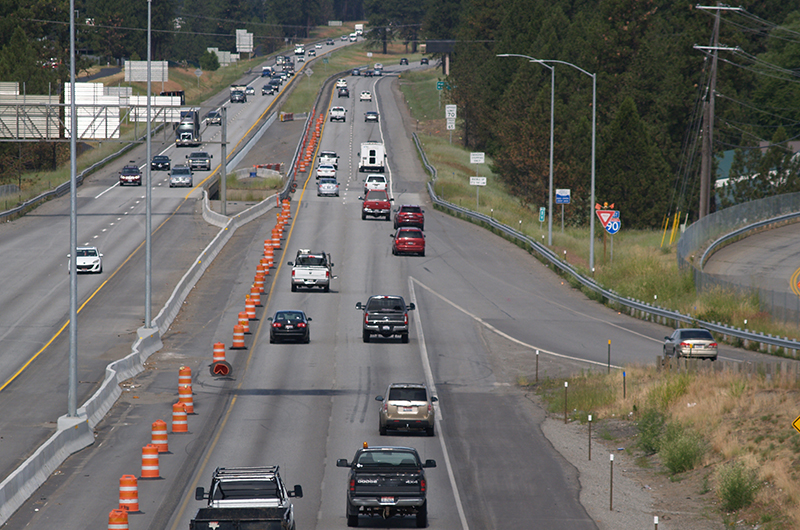
While winter weather dominates headlines, the warmer months bring heavy infrastructure maintenance. The agency schedules major paving, bridge repairs, and widening projects during the spring, summer, and fall. Checking the interactive map before you depart ensures you won't get caught in unexpected detours or long delays through mountain passes where single-lane pilot car operations are common. Always respect work zone speed limits to protect highway workers and avoid hefty fines.