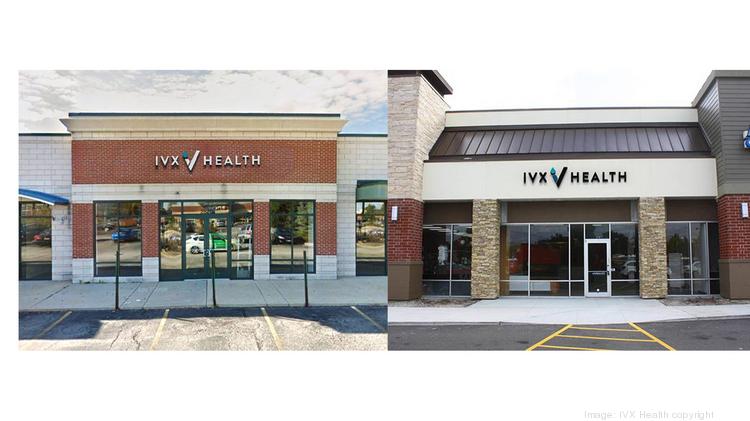
IVX Health Naperville: Complete Infusion Care Guide
Managing a complex chronic condition often requires ongoing biologic therapy, a process that historically involved long visits to hospital outpatient departments. At IVX Health Naperville, patients managing chronic autoimmune disorders, neurological illnesses, and other conditions can receive specialized intravenous and injectable therapies in an environment tailored specifically for comfort, privacy, and clinical safety.

As healthcare shifts toward more accessible ambulatory care, specialized infusion centers have changed how chronic therapies are delivered. Rather than navigating a sprawling medical campus, patients in Naperville and surrounding DuPage and Will counties have access to a community-focused center designed from the ground up for maintenance biologic treatments.
Why Choose IVX Health Naperville for Biologic Therapy?
Hospital-based outpatient infusion centers frequently place multiple patients in shared, curtained bays. This setting can lead to sensory overload, compromised privacy, and prolonged wait times. IVX Health operates on an entirely different clinical model built around the patient experience:
- Guaranteed Private Suites: Every patient receives a private room featuring leather recliners, personal climate controls, high-speed Wi-Fi, and flat-screen smart TVs with streaming services. Guests and family members are welcome to accompany you.
- Low Nurse-to-Patient Ratios: Registered nurses at IVX Health typically manage no more than one to three patients at a time, ensuring continuous monitoring, quick responses, and personal clinical attention.
- Flexible Scheduling: Chronic therapy should not disrupt work or school life. The center offers early morning, evening, and weekend appointments to accommodate busy schedules.
- Streamlined Access: With dedicated ground-floor parking and direct entry, patients avoid long hospital walks, paid parking garages, and busy waiting rooms.
Conditions Treated and Therapies Administered
IVX Health provides targeted medical therapies prescribed by local specialists, including gastroenterologists, rheumatologists, neurologists, dermatologists, and pulmonologists. Because IVX Health does not prescribe medications independently, treatments are strictly coordinated with each patient’s primary managing physician.
Gastrointestinal Disorders
Patients managing moderate-to-severe inflammatory bowel disease (IBD) rely on precise administration schedules for biologics. Common conditions treated include Crohn’s disease and ulcerative colitis using therapies such as:
- Infliximab (Remicade, Inflectra, Renflexis)
- Vedolizumab (Entyvio)
- Ustekinumab (Stelara)
- Risankizumab (Skyrizi)
Rheumatology and Autoimmune Diseases
Autoimmune conditions cause painful systemic inflammation that requires consistent, regulated treatment. Conditions treated include rheumatoid arthritis, psoriatic arthritis, ankylosing spondylitis, and lupus using medications like:
- Belimumab (Benlysta)
- Abatacept (Orencia)
- Tocilizumab (Actemra)
- Golimumab (Simponi Aria)
Neurological Conditions
Multiple sclerosis (MS), chronic inflammatory demyelinating polyneuropathy (CIDP), and myasthenia gravis require careful monitoring during infusion treatments, which include:
- Ocrelizumab (Ocrevus)
- Natalizumab (Tysabri)
- Intravenous Immunoglobulin (IVIG)
- Ublituximab (Briumvi)
Other Specialized Infusion Needs
Beyond rheumatology and neurology, the center administers treatments for severe asthma (e.g., Nucala, Fasenra), severe iron deficiency anemia (injectable iron formulations like Venofer and Injectafer), thyroid eye disease (Tepezza), and osteoporosis (Prolia, Reclast).
The Financial Difference: Ambulatory Centers vs. Hospitals
Video: IVX Health Infusion Centers
Cost is often one of the most stressful aspects of managing a chronic disease. Hospital Outpatient Departments (HOPDs) routinely charge high facility fees alongside medication costs. Because IVX Health operates as an independent Ambulatory Infusion Center (AIC), it is classified differently by health insurance providers.

The financial benefits typically include:
- Lower Out-of-Pocket Expenses: Because ambulatory centers lack the massive overhead of emergency rooms and acute inpatient wards, insurance co-pays and coinsurance costs are often substantially lower than hospital bills for the exact same drug.
- Comprehensive Benefit Navigation: The dedicated intake team verifies insurance coverage, secures required prior authorizations, and checks site-of-care requirements before treatment begins.
- Copay and Foundation Assistance: Staff actively assist in connecting patients with manufacturer copay cards, non-profit grant programs, and foundation assistance to reduce financial burden.
What to Expect During Your First Visit
Starting treatment at a new facility can feel intimidating, but the intake and visit process is structured to keep transitions seamless:
1. Intake and Coordination
Once your specialist sends a prescription and order details to IVX Health, an intake specialist contacts your insurer to secure prior authorization. Once approved, the team calls you to schedule an initial session that fits your calendar.
2. Check-In and Setup
Upon arrival, there are no long queues or paperwork-heavy waiting rooms. You are escorted directly into your private suite. Your nurse reviews your current health status, takes vital signs, and confirms that you have taken any required pre-medications (such as antihistamines or acetaminophen).
3. Administration and Monitoring
Your nurse places an IV line using techniques designed for patient comfort, including warm packs or vein-finding technology when needed. Throughout the infusion or injection, your vitals are checked at regular intervals. You can spend the session resting, working remotely, reading, or watching entertainment.
4. Post-Treatment Protocol
Following medication administration, you may complete a brief observation period depending on your specific drug's safety profile. Your nurse documents the session, schedules your next appointment, and transmits all visit notes directly back to your prescribing physician to ensure continuous coordination of care.
Protecting Immunocompromised Patients
Because many biologic therapies act as immunosuppressants, minimizing exposure to community pathogens is critical. Hospital waiting rooms inherently place immunocompromised individuals near patients with acute respiratory viruses and bacterial infections.
At IVX Health Naperville, only patients receiving non-acute infusions and injections are seen on site. The facility does not treat acute illnesses, triage infections, or run walk-in urgent care. Combined with individual private suites and rigorous sanitization between visits, this model offers a significantly cleaner environment for vulnerable immune systems.
How to Transition Your Care
Switching your infusion site from a hospital system or home-health agency to IVX Health Naperville does not require changing your primary specialist. You can request a transfer by talking with your prescribing physician or contacting the center directly to initiate a site-of-care transfer request. The clinical intake team manages medical record transfers, insurance pre-determinations, and physician sign-offs so there is no gap in your ongoing treatment regimen.