Ivy Queen's 1990 Creativity: The Untold Story
When people discuss the pioneers of reggaeton and Latin urban music, names like Daddy Yankee, Don Omar, and El General often dominate the conversation. Yet, the foundations of the genre would be entirely incomplete without acknowledging the fierce, unapologetic voice of Martha Pesante—better known to the world as Ivy Queen. While mainstream history often sidelines the early underground scenes of Puerto Rico, the untold story of Ivy Queen’s 1990 creativity reveals a visionary artist who used her pen to shake Latin America to its core.
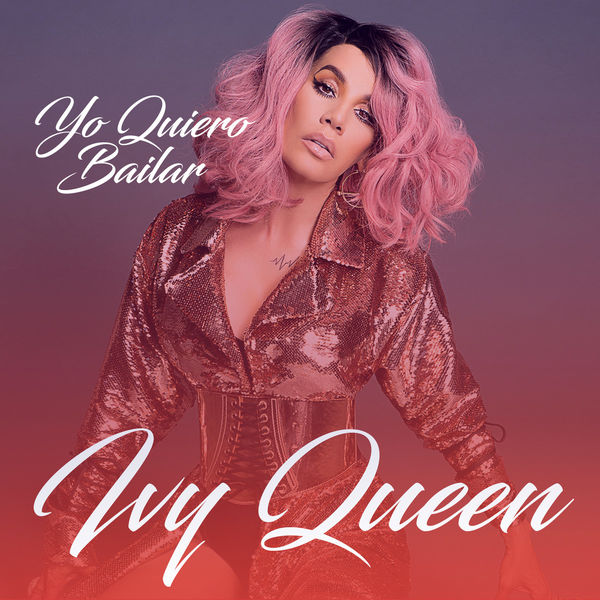
Long before crossover hits brought reggaeton to global stadiums, the genre was forged in the damp basements, street corners, and makeshift recording studios of San Juan. In this hyper-masculine environment, Ivy Queen emerged not just as a participant, but as a structural architect. Her lyrics did more than rhyme over dancehall beats; they dismantled patriarchal tropes and established a blueprint for female empowerment in Spanish-language rap.
The Underground Crucible of San Juan
To understand the weight of Ivy Queen’s early work, you have to look at the socio-musical landscape of Puerto Rico at the dawn of the decade. The late 1980s and early 1990s saw the birth of 'underground' music—a fusion of Panamanian reggae, dancehall, and American hip-hop. Censored by the government and chased by police who associated the music with delinquency, this burgeoning movement thrived in the shadows.
As a teenager in Añasco and later San Juan, Ivy Queen was immersed in this rebellious subculture. She wasn't just listening; she was writing poetry that reflected the harsh realities of urban life, systemic struggle, and romantic autonomy. When she joined the legendary collective The Noise, she stood shoulder-to-shoulder with male artists who often relegated women to mere background dancers or passive love interests.
Breaking the Mold in a Boys' Club
Rap and reggae in Latin America during the 1990s were overwhelmingly macho spaces. Lyrics frequently objectified women or celebrated aggressive machismo. Ivy Queen’s 1990 creativity flipped this dynamic entirely. Instead of singing about submission, she wrote about agency, self-respect, and sexual autonomy.
- She refused to wear revealing clothes just to sell records, prioritizing oversized streetwear that demanded respect.
- She wrote her own verses, proving that female MCs needed no male ghostwriters.
- She tackled themes of heartbreak and betrayal from a position of emotional strength rather than victimhood.
This approach was revolutionary. When she stepped up to the microphone, she didn't try to soften her voice or mimic male delivery styles. Her baritone was commanding, rich, and dripping with authority.
Decoding the Lyrics That Shook Latin America

Ivy Queen’s lyrical genius lay in her ability to merge street vernacular with high-impact poetic imagery. She captured the linguistic rhythm of the barrio and elevated it into a vehicle for social commentary. Her early verses addressed the complexities of urban survival and demanded that women be treated as equals.
Tracks from her foundational era established a new lyrical standard. She used metaphors rooted in resilience—comparing herself to queens, warriors, and survivors. By choosing the moniker 'Ivy Queen,' she claimed royalty in a kingdom that actively tried to exclude her.
The Anthem of Female Independence
While her mainstream breakout came later in the decade with albums like *En Mi Imperio*, the creative seeds planted in the early '90s laid the essential groundwork. Her lyrics taught a generation of young Latinas that they did not need validation from men to dictate their worth. Songs like 'Quítate Pa' La Vía' weren't just catchy tunes; they were manifestos demanding space in a crowded room.
Consider the impact of these lyrics across conservative Latin American households in the 1990s. Mothers and daughters alike heard a woman commanding men to step aside and listen. It was a cultural earthquake delivered through a heavy bassline.
The Endlasting Legacy of a Pioneer
Looking back, Ivy Queen's 1990 creativity was nothing short of prophetic. She predicted the global dominance of urban Latin music while fiercely guarding its artistic integrity. Without her refusal to compromise, the modern landscape of female reggaeton artists—from Karol G and Rosalía to Natti Natasha and Becky G—would look entirely different.
Those early lyrics did not just shake Latin America; they reshaped its cultural DNA. They proved that underground creativity, when fueled by authenticity and courage, can tear down walls that powerful institutions spent decades building. Ivy Queen didn't just find her place in history; she wrote it herself, line by unforgettable line.


