Jackerman 3D Video: What You Need to Know
In the vast and fast-moving world of internet culture, certain digital creations capture the public imagination seemingly overnight. Among these, the phenomenon known as Jackerman 3D Video has sparked widespread curiosity, debate, and streams across various online platforms. Whether you stumbled upon a reference to it on social media or heard about it from fellow digital art enthusiasts, understanding what this video is requires looking past the clickbait and examining its actual context, production, and cultural footprint.

Understanding Jackerman 3D Video
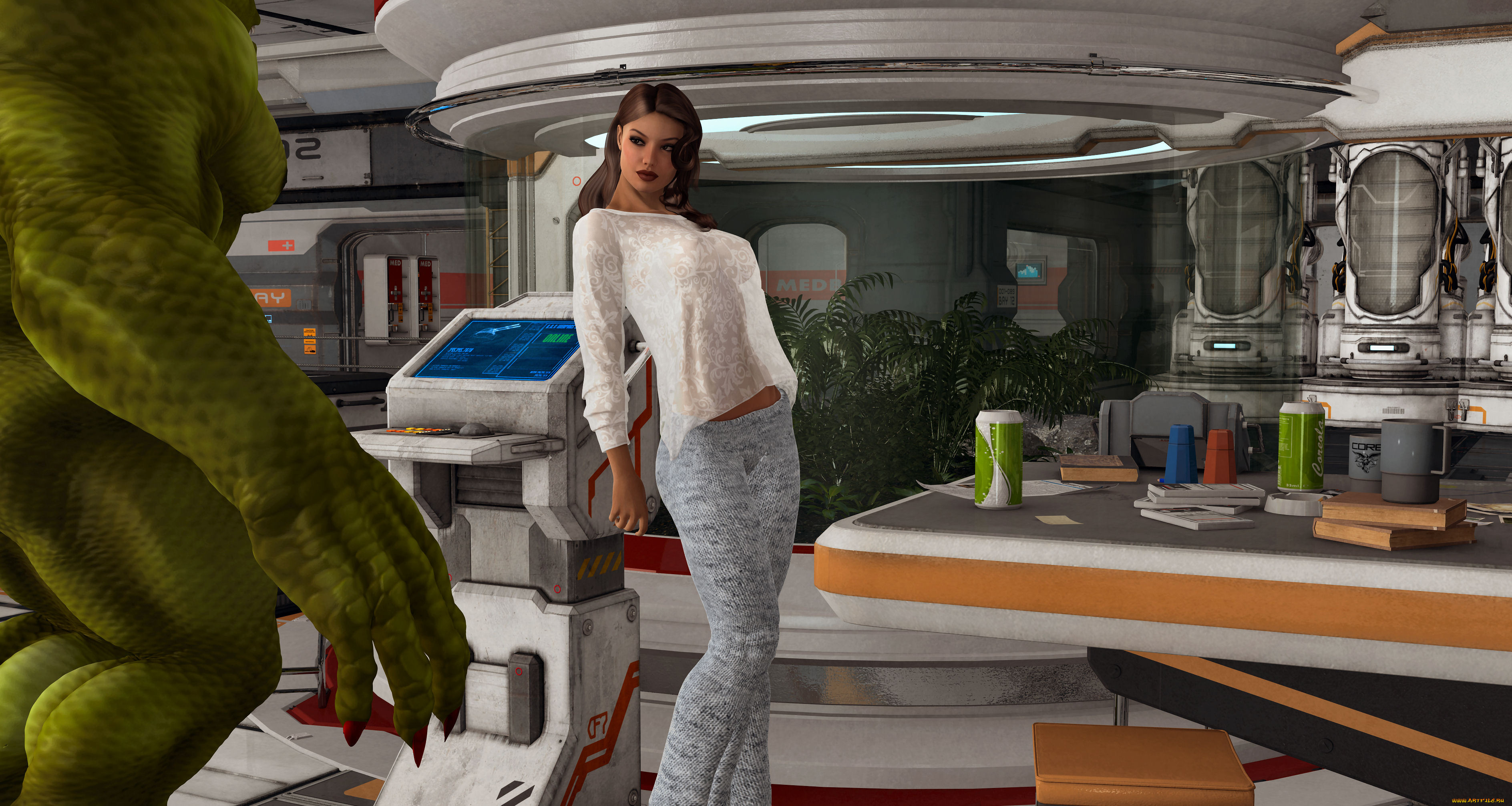
To understand the Jackerman 3D Video phenomenon, it helps to break down how modern internet trends operate. Digital content often blends niche 3D modeling with viral marketing, fandom culture, or shock value to capture attention on platforms like TikTok, YouTube, and X (formerly Twitter). The term typically refers to a stylized, computer-generated animation or series of renders featuring unique character designs in a three-dimensional space.
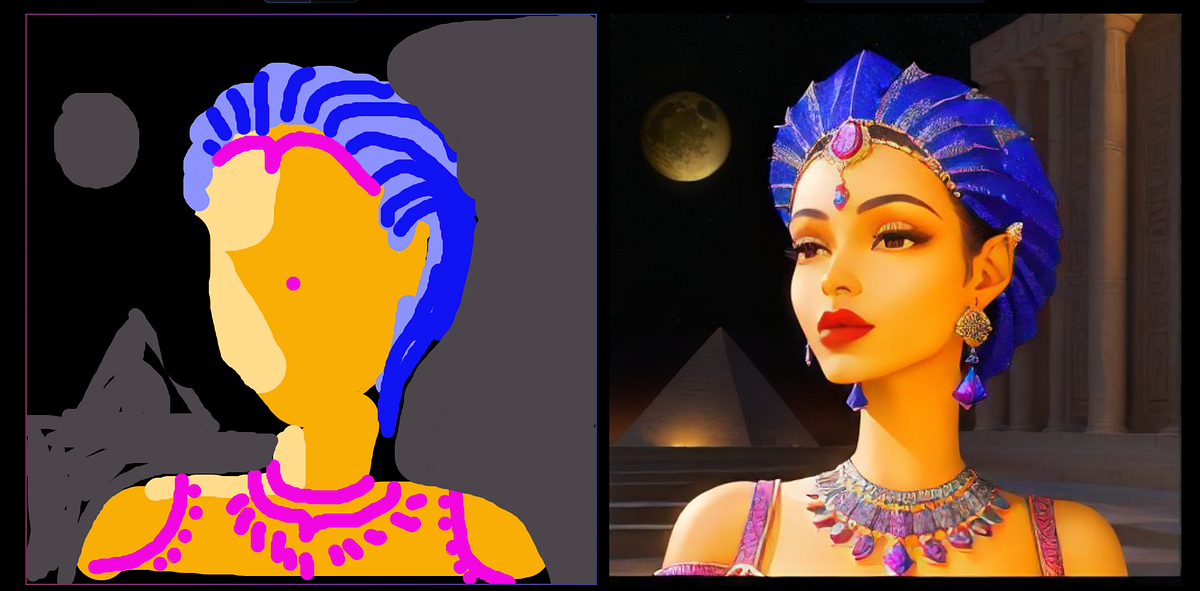
Unlike major Hollywood CGI productions, these videos often originate from independent digital artists or anonymous creators who utilize accessible software suites. This democratization of 3D tools means that anyone with a capable computer and a strong grasp of rendering software can produce high-contrast, visually arresting content that stands out in crowded social media feeds.
The Technical Side of Modern 3D Animation
The visual appeal of viral animations often relies heavily on modern rendering pipelines. Creators use industry-standard tools to bring characters and environments to life.
Software and Tools Used
Most independent 3D content creators rely on a specific stack of digital creation tools:
- Blender: A free, open-source creation suite widely used for modeling, rigging, animation, and rendering.
- Unreal Engine: Increasingly popular for real-time rendering and cinematic creation, offering hyper-realistic lighting and physics.
- Adobe After Effects: Used post-production for color grading, compositing, and adding special visual effects.
Stylization vs. Realism
Video: There's a monster in my room
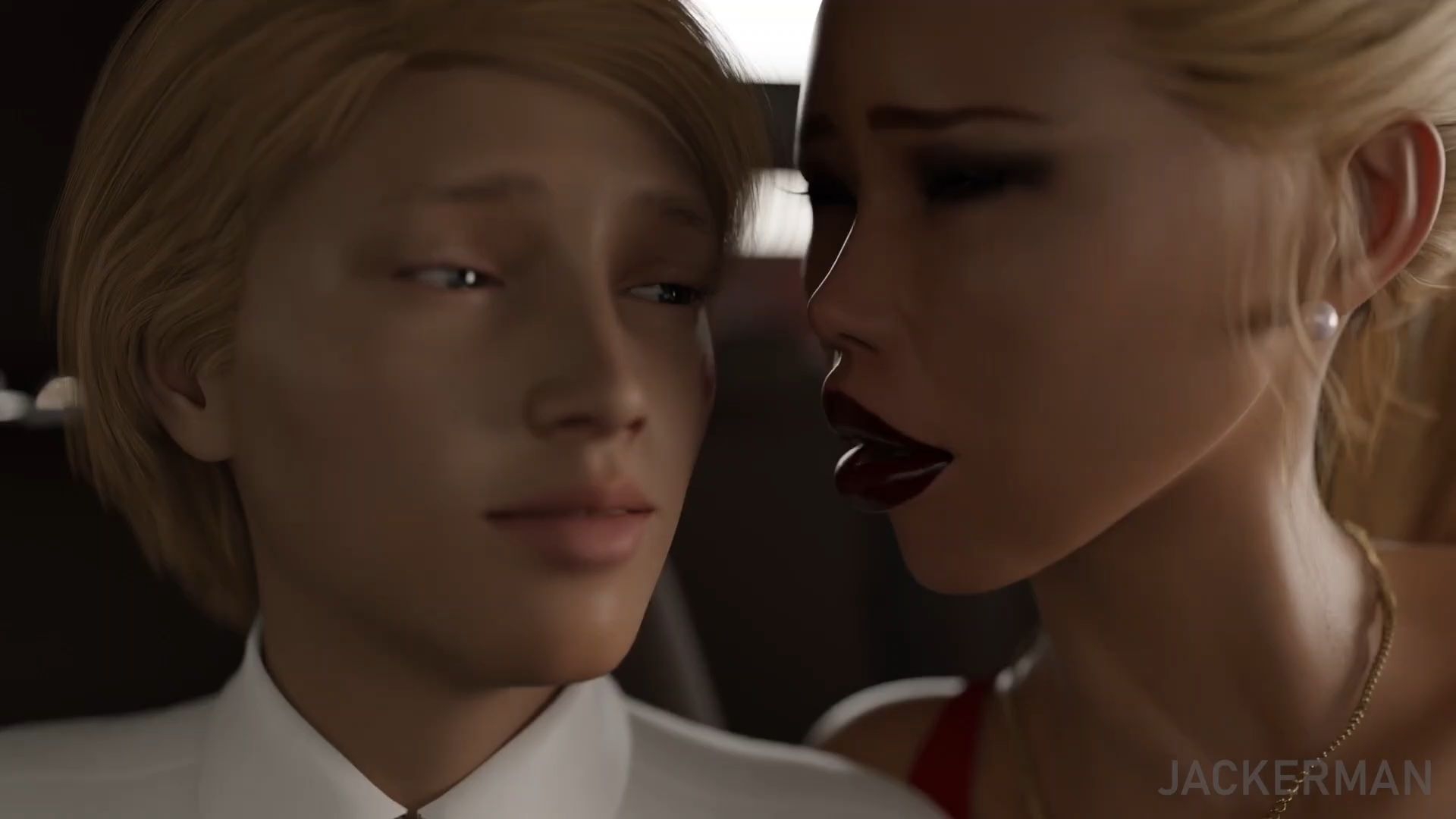
Creators of viral 3D clips often choose between hyper-realism and stylized cartoon aesthetics. In many internet subcultures, exaggerated proportions, surreal physics, and uncanny valley effects are intentionally employed to evoke strong reactions, making the content highly shareable.
Navigating Internet Safety and Content Verification
When searching for niche internet terms like Jackerman 3D Video, users should exercise caution. The anonymity of the internet means that viral search terms are frequently targeted by malicious actors.
- Beware of Phishing Links: Avoid downloading files or visiting unverified third-party streaming websites promising exclusive or "full versions" of viral clips.
- Stick to Reputable Platforms: If the video exists, it is likely hosted on mainstream platforms like YouTube, Vimeo, or recognized art communities like ArtStation.
- Check Creator Credentials: Support original artists by viewing their work directly on their official channels rather than reposted, low-quality aggregators.
The Cultural Impact of Independent 3D Art
The rise of independent 3D animations highlights a broader shift in how digital media is consumed and distributed. Traditional gatekeepers in television and film no longer hold a monopoly on high-quality 3D rendering. Instead, individual creators can bypass traditional studios, building dedicated audiences directly through algorithmic discovery and community engagement.
This direct-to-consumer model allows for greater creative freedom, albeit with fewer oversight mechanisms. As tools like artificial intelligence and real-time ray tracing continue to evolve, the barrier to entry for producing complex 3D scenes will drop even further, leading to more viral phenomenons similar to Jackerman 3D Video in the future.
Conclusion
While internet trends come and go with rapid velocity, exploring the mechanics behind them reveals a fascinating intersection of technology, art, and digital sociology. Whether you are an aspiring 3D animator looking for stylistic inspiration or a curious netizen trying to decode the latest viral talking point, approaching these digital media trends with both technical curiosity and online safety awareness ensures a better, more informative experience.