Jamelizz Leak Leaked the Truth: What Really Happened
Understanding the Viral Sensation

In the fast-paced world of social media, digital drama can erupt overnight. Few phrases captured internet attention quite like the chatter surrounding the Jamelizz Leak Leaked the Truth: Was the Star Covering Up Something Big? narrative. When online personalities achieve rapid growth, they often become targets for speculation, data breaches, and manufactured controversies. This article examines the timeline of these events, the nature of modern online leaks, and how public figures manage intense digital scrutiny.
To understand the situation, we must first look at how information travels across modern platforms like TikTok, X (formerly Twitter), and Reddit. Algorithms favor sensationalism, meaning unverified claims often outpace actual facts. When rumors about a prominent creator begin to circulate, fans and critics alike scramble for answers, leading to a massive spike in search traffic and speculative commentary.
The Anatomy of Modern Online Leaks
Digital privacy violations have become increasingly common in the creator economy. Whether through compromised accounts, disgruntled acquaintances, or fabricated media, public figures frequently find their personal lives dragged into the public spotlight. In many high-profile cases, the reality behind a trending hashtag is far less dramatic than the rumors suggest.
How Rumors Gain Traction
Online speculation typically follows a predictable trajectory. Understanding this cycle helps media consumers separate sensationalism from reality:
- Initial Spark: An ambiguous post, deleted tweet, or third-party claim ignites curiosity.
- Amplification: Content creators and meme pages repost the rumor for engagement, often embellishing details.
- The "Cover-Up" Narrative: Silence from the creator is misinterpreted as guilt or an attempt to hide a major secret.
- The Fact-Check: Verifiable details eventually emerge, often proving the initial viral claims to be exaggerated or entirely false.
Was There Really a Cover-Up?
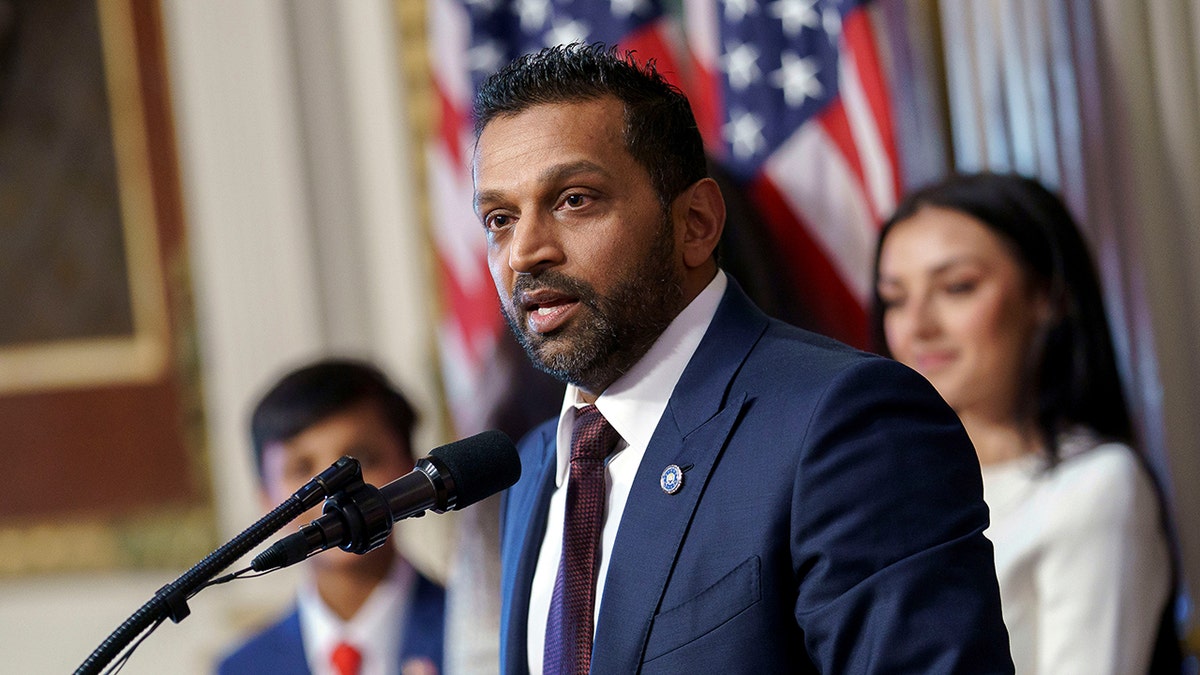
A central pillar of the viral discourse was the allegation that the creator was actively hiding a major scandal. In the realm of internet culture, managing public relations requires a delicate balance. When faced with aggressive online rumors, legal and PR advisors almost universally recommend silence until concrete facts are established. Unfortunately, this silence is frequently weaponized by internet sleuths who claim it proves a cover-up.
In reality, maintaining personal boundaries is essential for creators who broadcast their lives online. Protecting one's privacy does not automatically equate to hiding malicious behavior. As audiences demand more transparency, the tension between public entertainment and private life continues to grow.
Lessons from the Digital Age
The frenzy surrounding these trending search terms offers valuable lessons about digital literacy and online behavior. As internet users, navigating viral content requires a healthy dose of skepticism.
- Verify Sources: Always look for credible reporting rather than relying on anonymous social media accounts.
- Recognize Engagement Bait: Many accounts intentionally sensationalize headlines to drive clicks and ad revenue.
- Respect Privacy Boundaries: Content creators deserve the same digital safety and privacy expectations as anyone else.
Conclusion
The internet will always find a new story to obsess over, but the underlying mechanics of viral rumors remain the same. The narrative that a major star was hiding something explosive ultimately highlights our collective fascination with digital exposure. By approaching trending topics with critical thinking, audiences can better navigate the often-turbulent waters of modern internet culture.