James Arness Net Worth: His Million-Dollar Legacy
Introduction

When television history is written, few figures loom as large—literally and figuratively—as James Arness. For twenty years, he anchored the small screen as Marshal Matt Dillon on the CBS western juggernaut Gunsmoke. Beyond his towering six-foot-seven frame and steadfast on-screen presence, fans and industry watchers have long wondered: How Much Did James Arness Valuable Earn? The Million-Dollar Legacy Unveiled tells the true story of his financial journey, shedding light on the contracts, syndication deals, and investments that defined his career.
While early television actors rarely achieved the astronomical paydays enjoyed by modern streaming stars, Arness negotiated pioneering deals that secured his financial independence. This article breaks down his earnings, his landmark salary milestones, and the real value of the estate he left behind.
The Gunsmoke Years: Setting the Standard for TV Salaries
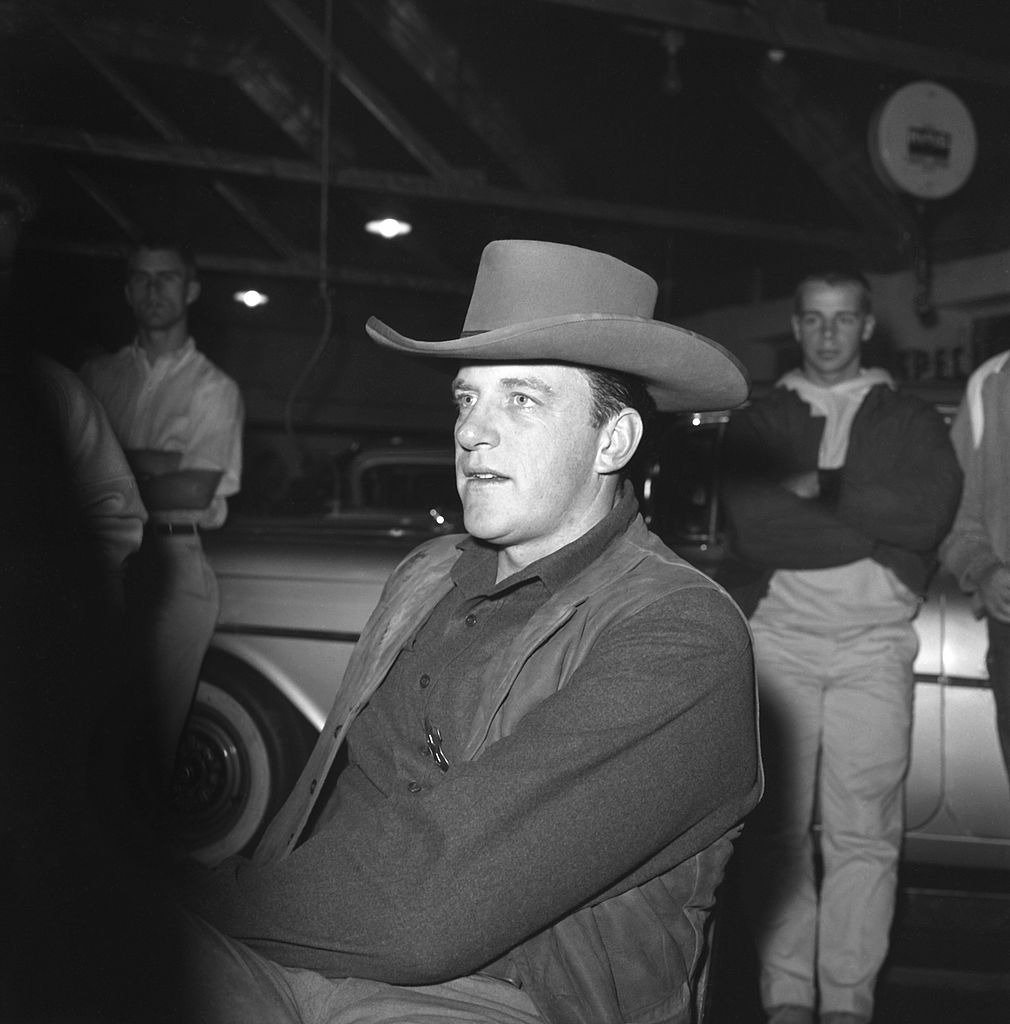
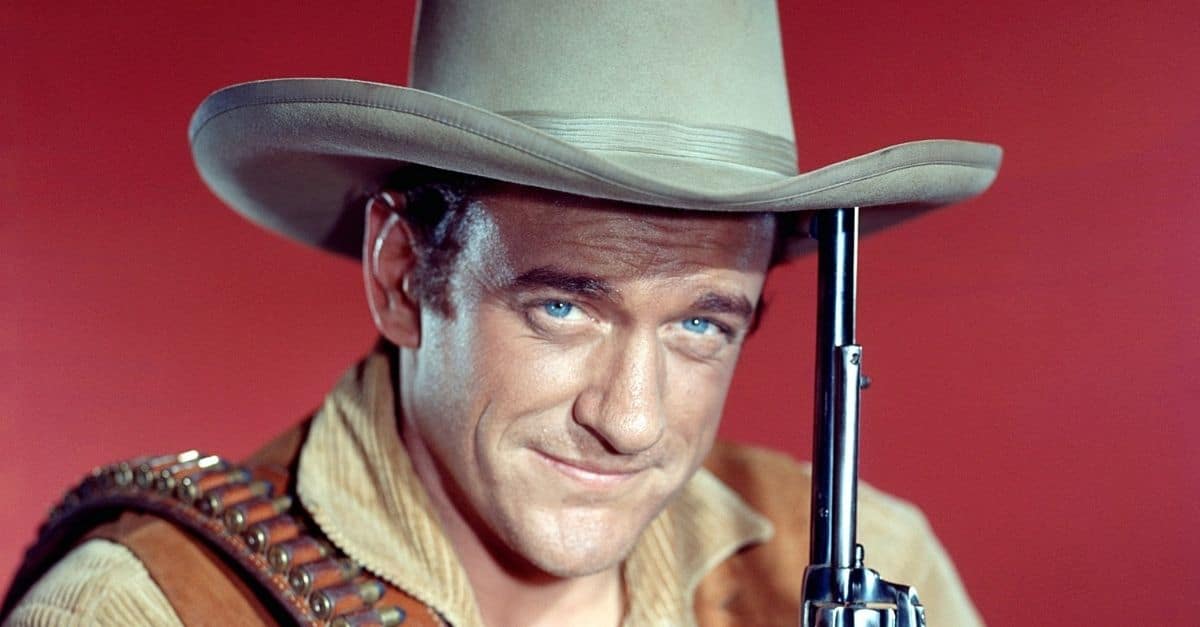
James Arness didn't just star in Gunsmoke; he helped make it an institutional pillar of American culture. Premiering in 1955 and running until 1975, the show broadcast 635 episodes, making Arness one of the most recognizable faces in the world.
Breaking Down His Weekly Pay
When Arness first accepted the role of Matt Dillon—on the personal recommendation of his friend John Wayne—he signed a standard studio contract. However, as Gunsmoke climbed to the top of the Nielsen ratings, his leverage skyrocketed.
- Early Seasons (1955–1960): Arness earned a modest weekly salary consistent with mid-tier television leads of the 1950s, though steady raises accompanied the show's growing dominance.
- Peak Years (Late 1960s–1975): By the final seasons of the show, Arness was commanding an exceptional salary for a weekly television series, supplemented by lucrative backend production points.
Industry reports from the early 1970s noted that top television leads could command upwards of $30,000 to $40,000 per episode. Factoring in inflation and his unique profit-participation deals with CBS, Arness was pulling in a multi-million-dollar annual income during the height of the show's broadcast run.
The Power of Ownership and Syndication
The true engine behind the James Arness fortune was not just his per-episode salary, but his ownership stake in the series. Through his production company, Filmways and later partnerships with CBS, Arness secured a percentage of the show's syndication profits.
Because Gunsmoke achieved unprecedented longevity in syndication—airing on local stations and cable networks worldwide for decades after its cancellation—these residual checks provided a continuous, passive income stream. Long after hanging up his marshal's badge in 1975, Arness continued to earn substantial annual payouts from reruns.
Beyond Dodge City: Film and Television Movies

While Gunsmoke defined his career, Arness capitalized on his iconic status by returning to the role of Matt Dillon in a series of made-for-TV movies during the late 1980s and early 1990s.
- Gunsmoke: Return to Dodge (1987)
- Gunsmoke: The Last Apache (1990)
- Gunsmoke: To the Last Man (1992)
- Gunsmoke: The Long Ride (1993)
These projects were major ratings events for CBS. As both the star and an executive producer on several of these films, Arness commanded top-tier salaries, ensuring that his late-career earnings remained robust.
Before his television fame, Arness also built a solid resume in feature films, working with legendary directors like Howard Hawks in The Thing from Another World (1951) and William Wellman in Bataan (1943). While these early film roles paid standard actor rates rather than blockbuster sums, they established his Hollywood footprint.
Smart Real Estate and Asset Management
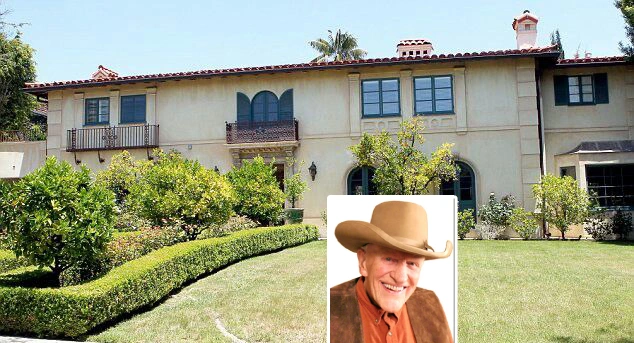
Unlike many television stars of his era who squandered sudden wealth, Arness was known for living a relatively grounded, private life. He invested heavily in real estate, particularly in California and Hawaii, which appreciated significantly over the decades.
His sprawling ranch properties and coastal investments formed the core of his tangible net worth. By keeping his overhead low and avoiding high-risk business ventures outside of entertainment and property, Arness preserved the capital he earned during his decades in television.
Evaluating the Final Estate
When James Arness passed away in 2011 at the age of 88, his estate was valued at an estimated $8 million to $12 million. While this might seem modest compared to modern multi-hundred-million-dollar actor net worths, it represented a massive fortune for a traditional television star of the mid-20th century.
Furthermore, the ongoing management of his image rights, merchandise licensing, and continued syndication revenues ensured that his family retained a healthy, enduring financial legacy.
Conclusion
James Arness proved that consistency, professionalism, and smart contract negotiations could build a generational fortune. Through two decades of leading Gunsmoke, savvy syndication deals, and conservative asset management, he secured his place television royalty. His million-dollar legacy stands not just as a testament to his financial success, but to the enduring appeal of one of television's greatest heroes.