JD Farag's Strong Stance on Parental Rights
Introduction to the Controversy
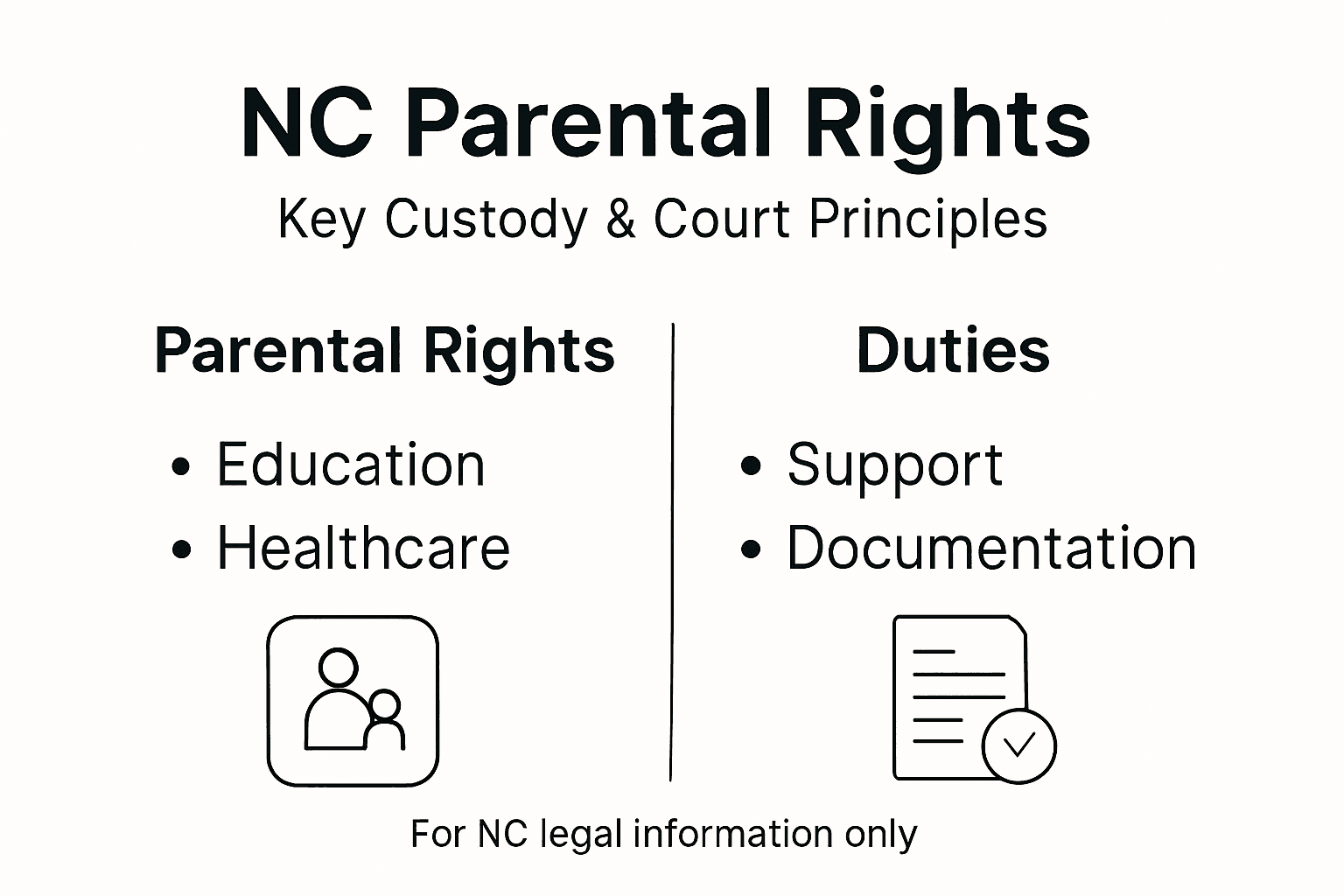
In recent years, the intersection of public education, cultural shifts, and family authority has sparked intense national debate. Pastors, community leaders, and parents alike have weighed in on how much say mothers and fathers should have in what their children learn and experience in school. Among those speaking out is Pastor JD Farag, whose ministry at Calvary Chapel Kaneohe has drawn significant attention. Through his weekly updates and prophetic insights, JD Farag's strong stance on parental rights: taking action! has become a focal point for believers seeking guidance on how to navigate these modern challenges.
For many families, the public school system has shifted away from traditional academic subjects toward ideological curricula. This shift has prompted a reevaluation of institutional trust. Farag has consistently used his platform to address these concerns, urging parents to reclaim their God-given authority over the upbringing and education of their children.
The Theological Foundation of Parental Authority
To fully understand Farag's perspective, one must examine the biblical framework he relies upon. In Christian theology, the family is viewed as the foundational institution established by God, preceding both the church and the state. Parents are not merely caregivers; they are stewards entrusted with the spiritual, moral, and intellectual development of the next generation.
Scriptural Mandates for Families
Farag frequently points to passages in Deuteronomy and Ephesians that outline the responsibility of parents to teach their children moral truths diligently. According to this worldview, delegating education entirely to secular institutions without oversight abdicates a sacred duty. When state-sponsored curricula conflict with foundational biblical values, Farag argues that parents have a moral obligation to intervene.
- Primary Responsibility: God holds parents—not governments or school boards—accountable for the raising of their children.
- Protection from Indoctrination: Families must remain vigilant against ideas that contradict scriptural morality.
- Active Discipleship: Home must be the primary place where children learn critical thinking anchored in faith.
JD Farag's Strong Stance on Parental Rights in Practice
Talk without action falls short of creating meaningful change, and Farag’s ministry emphasizes practical steps for families feeling overwhelmed by systemic changes. Taking action involves moving beyond passive disagreement and engaging directly with the institutions affecting children's lives.

Steps Recommended for Concerned Parents
Drawing from his teachings and broader parental rights advocacy, several key actions stand out for families looking to protect their influence:
- Investigate Curricula: Parents must actively review textbooks, library books, and digital assignments to understand what is being taught in classrooms.
- Attend School Board Meetings: Local governance is the frontline of education policy. Speaking out at meetings ensures that elected officials hear parental concerns.
- Consider Alternatives: For families where public education no longer aligns with their values, homeschooling and Christian private schools offer viable alternatives.
- xref: Build Community Support: Isolation makes advocacy difficult. Connecting with likeminded parents creates a unified front for accountability and resource-sharing.
The Broader Cultural Impact
The conversation surrounding parental rights extends far beyond any single church or religious leader. It touches on fundamental questions of liberty, freedom of speech, and the role of government in a free society. When religious leaders like JD Farag speak out, they amplify the concerns of millions of citizens who feel marginalized by bureaucratic decision-making.
Critics of this movement often argue that public schools must cater to a diverse population and that professional educators are best equipped to design curricula. However, proponents of parental rights maintain that diversity must include respect for parental convictions and that public institutions ultimately answer to the taxpayers and families they serve.
Conclusion
The ongoing debate over education and family autonomy shows no signs of slowing down. For believers and concerned citizens alike, the message from leaders like Pastor Farag is clear: vigilance, involvement, and a firm commitment to foundational values are essential. By taking active steps to safeguard parental authority, families can ensure that the next generation is guided by truth, wisdom, and strong moral conviction.