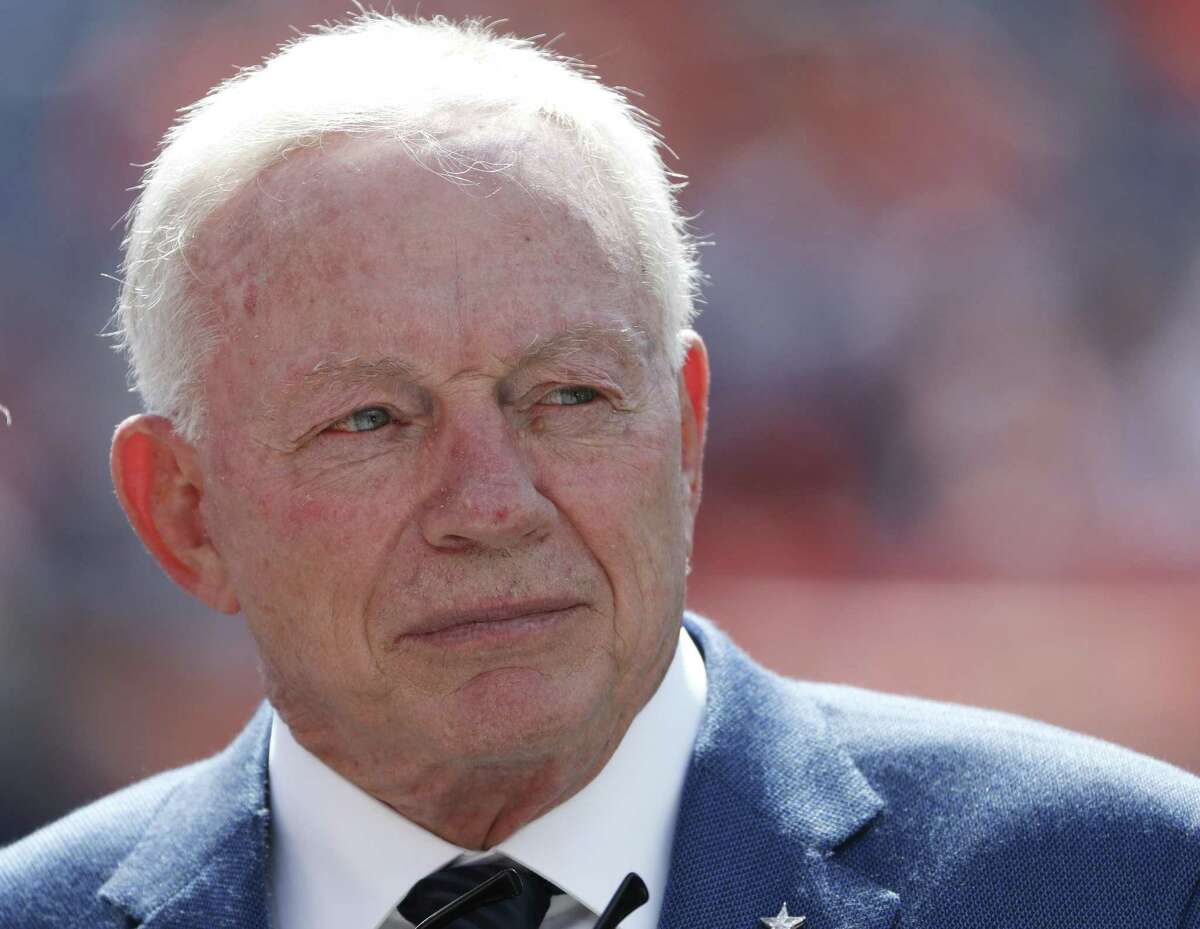
Jerry Jones’ Rise to $19.2 Billion
When Jerral Wayne Jones purchased the Dallas Cowboys in 1989 for a modest $140 million, many sports analysts predicted financial ruin. The team was losing $1 million a month, and the NFL was a very different financial landscape. Fast forward to today, and Jerry Jones’ rise to $19.2 Billion stands as one of the most remarkable masterclasses in modern sports business history. Beyond the Super Bowl rings, Jones engineered a blueprint of audacious risk, vertical integration, and aggressive brand monetization.

Understanding how Jerry Jones built his colossal net worth requires looking past the sidelines and into the boardrooms. His wealth-building tactics offer a masterclass in leveraging physical assets, controlling media rights, and transforming a regional sports team into a global luxury brand.
The Oil and Gas Foundation: Capitalizing on Calculated Risk
Long before he became 'America's Owner,' Jones was cutting his teeth in the wildcat oil and gas industry of Arkansas. After graduating from the University of Arkansas—where he played on the 1964 national championship football team alongside Jimmy Johnson—Jones founded Jones Oil and Land Lease.
In the oil business, Jones learned the primary rule of modern wealth creation: leverage and risk tolerance. He borrowed heavily to fund drilling operations, often putting everything on the line. When oil prices fluctuated, Jones adapted, but the early petroleum profits gave him the liquid capital necessary to make the ultimate high-stakes gamble on the Dallas Cowboys.
The 1989 Cowboys Purchase: A Masterclass in Leveraged Buyouts
Buying a failing sports franchise for $140 million in 1989 required immense financial acrobatics. Jones used a combination of his own capital, bank loans, and future projected revenues to secure the deal. Critics called it reckless, but Jones understood something fundamental that traditional owners missed: the untapped commercial power of professional football.
Upon taking over, Jones made immediate, highly controversial moves. He fired legendary coach Tom Landry on his first day and assumed total operational control. He wasn't just buying a toy; he was acquiring a platform that he intended to commercialize from top to bottom.
Revolutionizing Sports Marketing and Revenue Independence
Perhaps Jones’ single greatest contribution to sports economics was breaking the NFL’s shared revenue model for merchandise and sponsorship deals.
Circumventing League Licensing

Traditionally, the NFL pooled all merchandise sales and divided them equally among the 32 franchises. Jones recognized that the Dallas Cowboys brand—bolstered by three Super Bowl wins in the 1990s—held vastly more market value than smaller-market teams.
In 1995, Jones signed independent sponsorship deals with companies like Nike and Pepsi, bypassing the league's official merchandise arm, NFL Properties. This triggered multi-million-dollar lawsuits from the league, which Jones ultimately settled out of court. The result? The Cowboys gained the freedom to monetize their logo directly, creating a massive, independent revenue stream that continues to fuel his net worth today.
Real Estate and Infrastructure: The AT&T Stadium Asset
Owning a football team is lucrative, but owning the stadium where they play—and controlling everything around it—is where generational fortunes are cemented.
- Total Venue Control: Unlike owners who rent stadiums from cities, Jones built AT&T Stadium (originally Cowboys Stadium) in Arlington, Texas, retaining ownership and operational control.
- Multi-Use Revenue Streams: The stadium does not just host eight home football games a year. It generates continuous cash flow through mega-concerts, college football championships, WrestleMania, and corporate conventions.
- The Star in Frisco: Jones expanded his real estate empire by developing The Star, a 91-acre mixed-use entertainment district that houses the team's headquarters, luxury hotels, medical facilities, restaurants, and retail spaces, turning the team into a 365-day-a-year business.
Diversification and Strategic Investments
While the Dallas Cowboys (valued by Forbes at over $9 billion) anchor his fortune, Jones’ wealth-building tactics extend far beyond football. Through his holding company, Jones diversified into several high-growth sectors:
He maintained significant stakes in energy, natural gas, and real estate development through partnerships and private equity. Furthermore, Jones has invested in emerging consumer tech, hospitality, and retail ventures, ensuring that his wealth is insulated from the economic cyclicality of the sports industry alone.
Key Wealth-Building Takeaways from Jerry Jones
For entrepreneurs and investors looking to model their strategies after Jones' historic financial trajectory, several core lessons emerge:
- Identify Underpriced Assets: Buy assets that have massive upside potential if managed correctly, even if current public sentiment is negative.
- Control the Distribution: Do not rely on middlemen or industry cartels if you have the leverage to build your own direct channels to consumers.
- Monetize Every Square Inch: Real estate and physical infrastructure should work around the clock, generating multiple streams of passive and active income.
- Embrace Bold Risk: Calculated leverage, when backed by a clear operational strategy, can accelerate growth far beyond safe, incremental steps.
Jerry Jones’ journey from an Arkansas oil wildcatter to the helm of a $19.2 billion empire proves that business success relies on vision, defiance of conventional norms, and relentless execution. By treating a football team like a dynamic, vertically integrated tech and media corporation, Jones rewrote the rules of modern wealth accumulation.