Jim Bakker's Net Worth: The Shocking Truth
When people think of fallen religious icons and financial scandals, televangelist Jim Bakker usually comes to mind alongside federal prison sentences, crying apologies, and the spectacular collapse of his billion-dollar PTL (Praise The Lord) television empire in the late 1980s. Most assume that after his conviction for fraud and conspiracy, Bakker faded into financial obscurity. However, the reality of Jim Bakker’s net worth is shockingly higher than you think, driven by decades of savvy media rebranding, survivalist culture marketing, and dedicated donor networks.

The Rise, Fall, and Rebuilding of an Empire
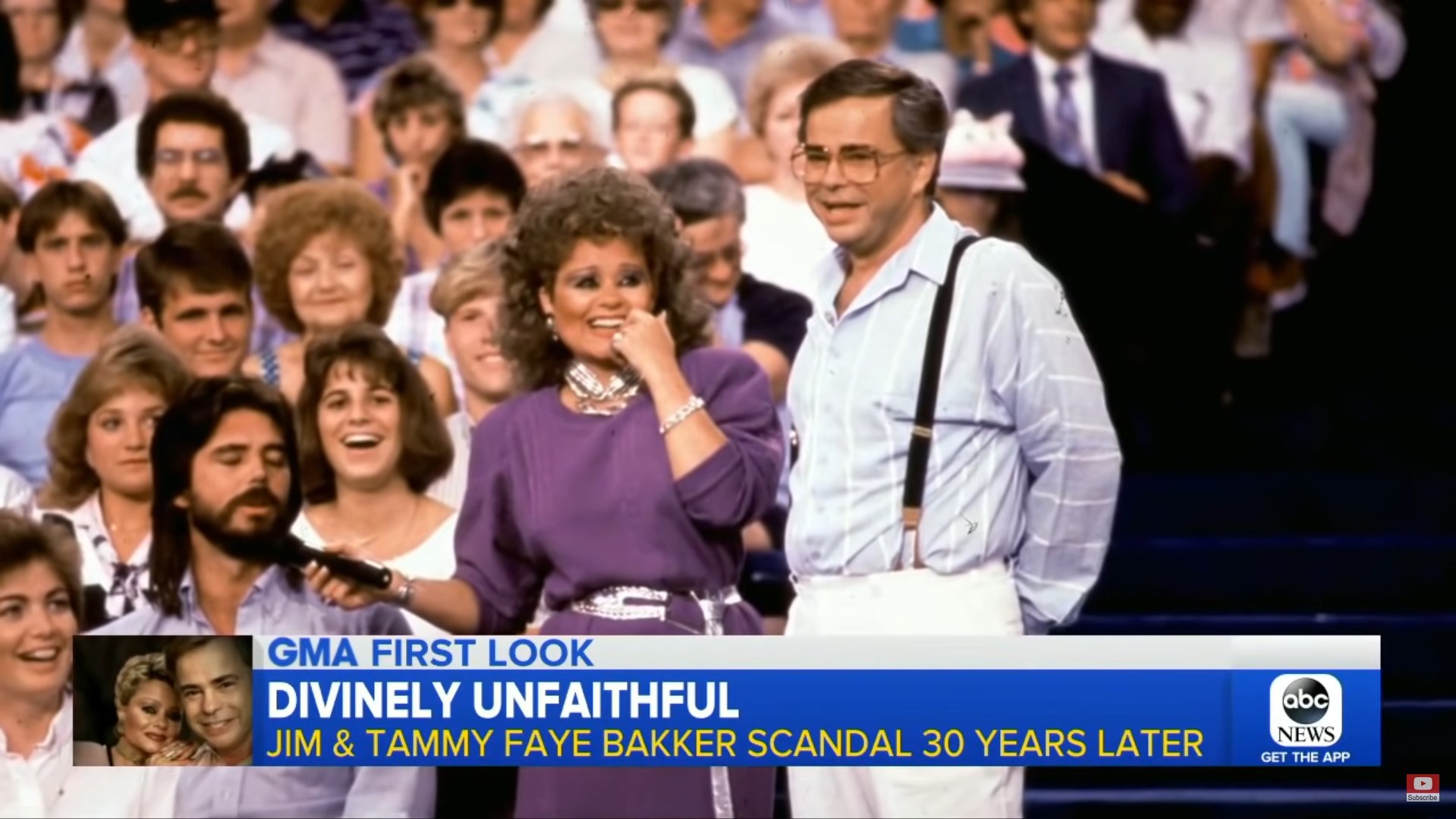
To understand how Jim Bakker accumulated wealth, it is essential to look at his trajectory. In the 1970s and 1980s, alongside his then-wife Tammy Faye Bakker, Jim built the PTL Club and the Heritage USA Christian theme park in South Carolina. At its peak, the ministry pulled in tens of millions of dollars annually, funding a lavish lifestyle featuring luxury cars, homes, and even an air-conditioned doghouse.
The empire crumbled in 1987 following a massive financial and sexual scandal. Bakker was convicted of 24 counts of wire fraud, mail fraud, and conspiracy, serving nearly five years in federal prison. Following his release in 1994, many financial analysts assumed he was completely bankrupt, burdened by millions in restitution and back taxes.
How Jim Bakker Rebuilt His Wealth
Despite starting over with virtually nothing, Bakker proved resilient in the world of religious broadcasting. In the early 2000s, he returned to television, eventually launching The Jim Bakker Show, which he co-hosts with his second wife, Lori Bakker. Instead of relying solely on traditional church donations, Bakker pivoted to a demographic uniquely primed for his message: Christian survivalists and end-times preppers.
The Lucrative Survival Food Business
The cornerstone of Bakker’s modern financial resurgence is the sale of emergency survival food. Recognizing growing anxieties about economic collapse, natural disasters, and biblical end times, Bakker began marketing bulk freeze-dried food buckets on his show.
- High-Profit Margins: These survival buckets are sold to viewers at significant markups, often packaged as essential preparations for the impending apocalypse.
- Direct-to-Consumer Sales: By cutting out traditional retail middlemen, the ministry generates millions in direct revenue from loyal followers.
- Media Synergy: Every episode of his daily show serves as a direct infomercial for his product line, merging theological commentary with commercial sales.
Real Estate and Ministry Assets
Video: Jim Bakker's Doomsday Prophecies Were Even MORE Disturbing Than You Think

Bakker’s operations moved to a sprawling studio and compound complex in Blue Eye, Missouri, known as Morningside. While technically owned by a non-profit ministry rather than Bakker personally, this complex commands significant real estate value. Ministries of this scale often provide leadership with housing, transportation, and living expenses, effectively shielding personal wealth while maintaining a high standard of living.
Estimating Jim Bakker’s Net Worth Today
Calculating the exact personal wealth of a televangelist is notoriously difficult. Assets are frequently funneled through non-profit organizations, LLCs, and family members to protect them from creditors and legal scrutiny. Public estimates of Jim Bakker’s net worth generally range between $500,000 and $3 million.
While this figure might sound modest compared to contemporary megachurch pastors worth tens of millions, it represents a massive rebound for a man who entered the 1990s deep in debt and legally barred from corporate leadership. Furthermore, the true financial impact lies in the cash flow of his broadcasting and product empire, which supports a comfortable lifestyle that far exceeds what his nominal net worth suggests.
Controversies Impacting His Finances
Bakker’s ability to generate revenue has faced serious legal hurdles even in his later years. In 2020, Missouri Attorney General Eric Schmitt filed a lawsuit against Bakker for marketing fraudulent colloidal silver products as a cure for COVID-19. The lawsuit temporarily threatened the financial stability of his ministry and led to a bankruptcy filing for production companies associated with his show.
Despite these legal battles, settlements, and negative publicity, Bakker's core audience has repeatedly demonstrated unwavering loyalty, continuing to fund his endeavors through turbulent times.
Conclusion
Jim Bakker’s financial story is a study in resilience, media savvy, and the enduring power of religious broadcasting. While his past is defined by federal conviction and public disgrace, his ability to tap into cultural anxieties surrounding survivalism has kept his brand profitable for decades. When factoring in ministry-provided assets, media revenue, and ongoing product sales, Jim Bakker's net worth is shockingly higher than you think, proving that in the world of televangelism, redemption and profit often go hand in hand.