Jim Henson’s TV Vision: How He Built a Legacy That Still Fires兴趣!
When audiences examine Jim Henson’s TV Vision: How He Built a Legacy That Still Fires兴趣!—igniting a deep passion and curiosity across generations and cultures—they discover an artist who fundamentally re-engineered modern screen entertainment. Before Jim Henson, television puppetry was largely static, rigid, and confined to the conventions of traditional live theatre. Henson did not simply introduce charming characters; he recognized television as an intimate, fluid visual medium capable of carrying emotional realism, anarchic comedy, and universal human empathy.
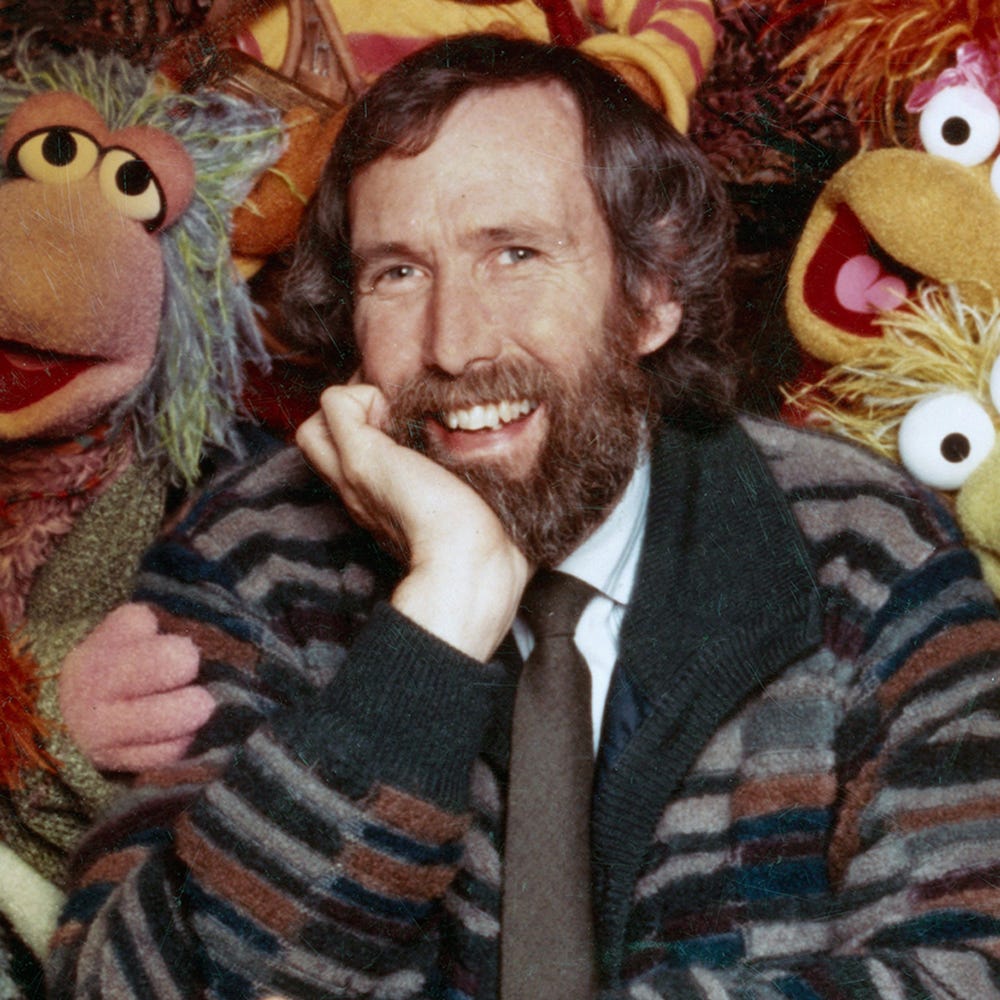
From late-night experimental shorts in Washington, D.C., to globally recognized masterpieces like The Muppet Show, Sesame Street, and Fraggle Rock, Henson built an ecosystem that blended practical craft with cutting-edge broadcast technology. His work remains a gold standard for filmmakers, animators, and storytellers worldwide.
Rethinking the Screen: Henson’s Technical Revolution
Henson’s earliest insight was surprisingly pragmatic: traditional puppetry belonged in a puppet booth, but television demanded something radically different. Conventional puppeteers hid behind a wooden proscenium arch, using stiff marionette strings or hard-carved wooden heads. On a small cathode-ray tube television, those techniques looked detached and lifeless.
1. Eliminating the Puppet Stage
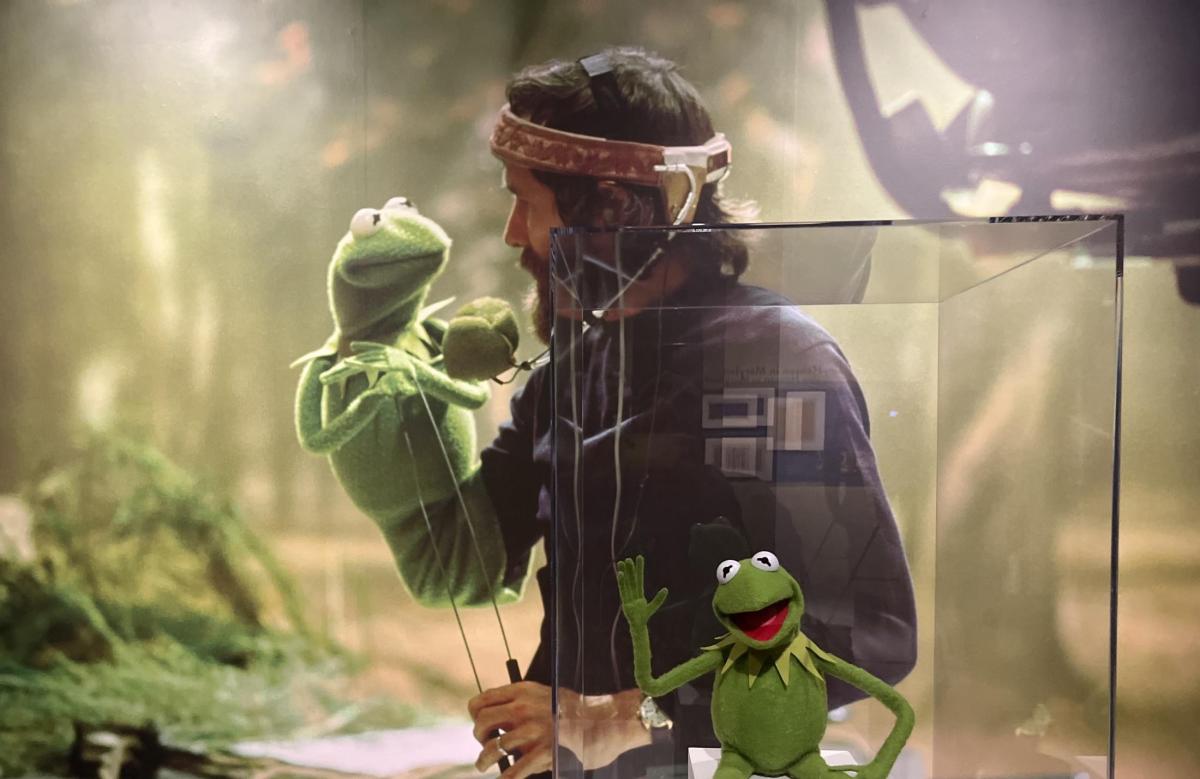
Henson discarded the miniature stage entirely. He realized that the borders of the television camera frame could serve as the proscenium. By moving the puppeteers freely on the studio floor below the bottom edge of the frame, the puppets could interact directly with the environment, with live humans, and with the viewer at home. This simple conceptual leap granted his characters unprecedented mobility and immediacy.
2. The Closed-Circuit Floor Monitor
To operate seamlessly within the camera frame without an elevated stage, Henson introduced closed-circuit television monitors placed directly on the studio floor. Puppeteers watched their performances in real time via these monitors. This allowed them to calibrate microscopic adjustments in eye contact, posture, and head tilt. If Kermit needed to glance shyly at the camera or look Miss Piggy directly in the eye, the performer could execute the gesture with surgical precision.
3. Soft Materials and Flexible Performance
Rather than wood, papier-mâché, or hard plastics, Henson crafted his characters using fleece, flexible foam rubber, and felt. This enabled puppeteers’ hands to manipulate facial muscles directly from the inside. A subtle squeeze of the hand produced an eyebrow raise, a pensive mouth shrug, or an expression of exasperation. The puppets ceased to be wooden props; they became living, breathing extensions of the performers themselves.
Jim Henson’s TV Vision: How He Built a Legacy That Still Fires兴趣!
The technical innovations were only half of the equation. What transformed Henson’s work into a lasting cultural force was a rare harmony of subversive wit and radical kindness. During the 1960s and 1970s, network executives routinely pigeonholed puppetry as strictly for toddlers. Henson resisted that categorization his entire life.
When American networks initially passed on The Muppet Show because it was "too strange" for family primetime, Henson partnered with British media mogul Lew Grade to produce the series in the United Kingdom. Grade understood Henson’s television vision: an electric variety show inspired by vaudeville, written for adults, yet captivating for children.
The program quickly became a global juggernaut, syndicated in more than 100 countries to an estimated weekly audience of 235 million viewers. It succeeded because it honored human imperfection:
Video: Jim Henson's Creative Legacy
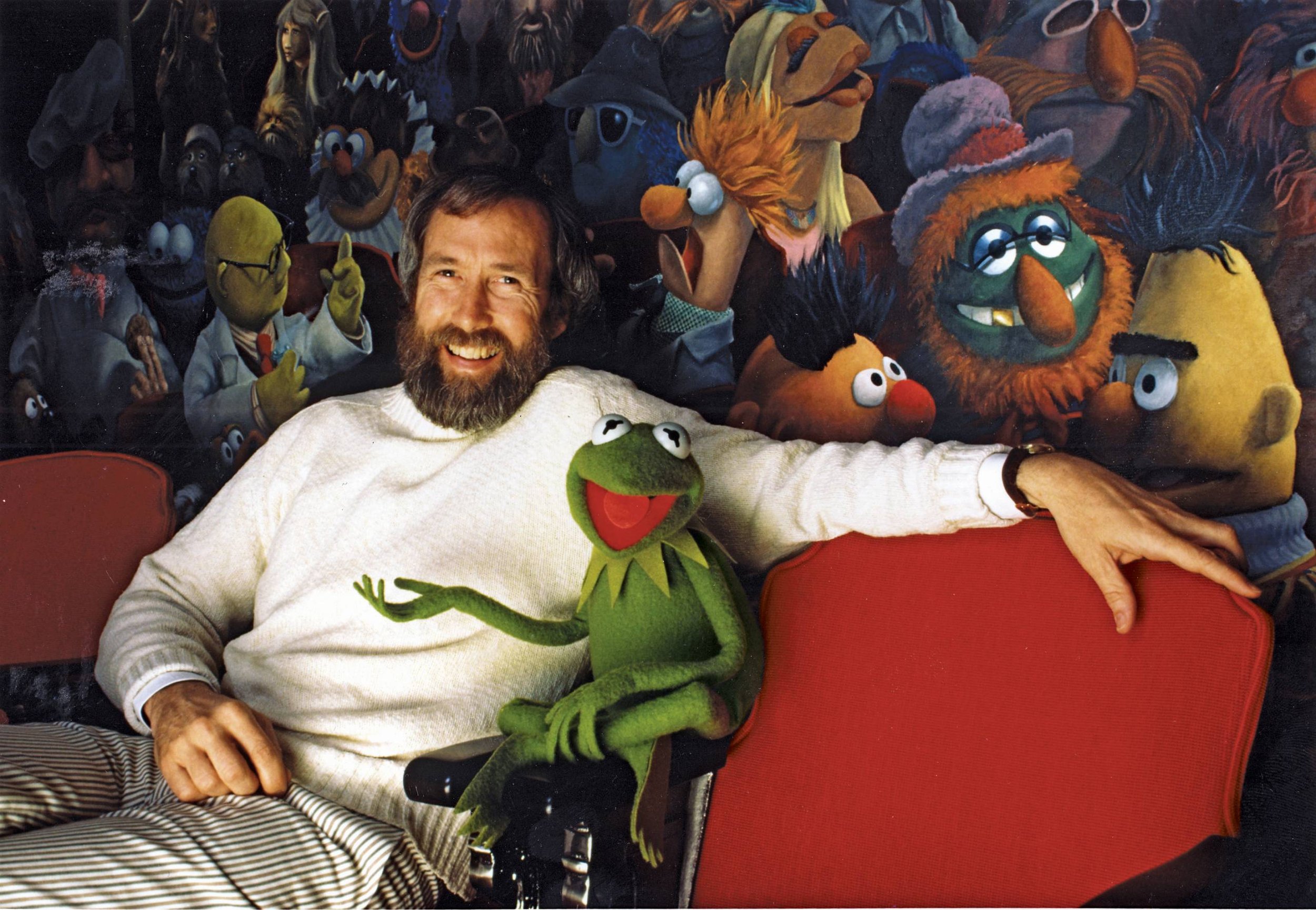
- Kermit the Frog served as the weary, relatable everyman trying desperately to keep chaos at bay.
- Miss Piggy shattered conventional female tropes of the era, presenting an unapologetically ambitious, dramatic diva with genuine emotional vulnerability.
- Gonzo the Great celebrated the oddball, pioneering the idea that artistic failure undertaken with passion is an act of heroism.
By treating absurdity with profound sincerity, Henson built a world where audiences felt safe laughing at life's unpredictability.
Radical Empathy: The Philosophy of Sesame Street and Fraggle Rock
Henson’s contributions to public broadcasting proved that television could educate without talking down to its audience. In 1969, Joan Ganz Cooney and the Children’s Television Workshop recruited Henson for an ambitious experiment: Sesame Street. Henson’s condition was clear—his characters must not be quarantined into separate educational segments; they had to share the street with human actors.
Characters like Big Bird, Bert, Ernie, and Oscar the Grouch provided distinct entry points for children grappling with complex emotional landscapes. Henson used physical comedy and distinct character pairings to teach sharing, grief, self-regulation, and cultural diversity without ever sounding didactic.
By the 1980s, Henson expanded this ethos globally through Fraggle Rock (1983). Designed from the outset as an international television project, the series aimed to demonstrate peaceful coexistence across different ecosystems. Henson established international co-productions—including versions in the United Kingdom, France, and Germany—where local human actors filmed regional framing segments while the puppet core remained universal. The show tackled ecology, labor, prejudice, and community dynamics, delivering sophisticated socio-political parables wrapped in infectious musical numbers.
Pushing Practical Craft into the Digital Age
Rather than resting on his comedic laurels, Henson spent his later years pushing the boundaries of fantasy filmmaking and mechanical innovation. He founded Jim Henson's Creature Shop in London in 1979, initially to support the complex animatronics required for The Dark Crystal (1982) and Labyrinth (1986).
The Creature Shop became an incubator for industry-defining breakthroughs:
- Radio-Controlled Cable Systems: Enabling complex multi-operator puppetry where individual performers controlled subtle ear twitches, breathing, and eye blinks simultaneously.
- The Henson Performance Control System (HPCS): An interface allowing a single puppeteer to operate real-time animatronic heads or computer-generated 3D characters using specialized physical controllers.
- Integration of Traditional Mythology: Television series like The Storyteller (1987) demonstrated how practical creature design, folklore, and emerging visual effects could evoke high art on small screens.
Henson embraced emerging technologies not to replace the human element, but to amplify the performer's soul through new mediums.
Core Lessons from Henson’s Creative Leadership
The longevity of Henson's body of work offers profound takeaways for contemporary content creators, media executives, and artists navigating a changing media landscape:
- Treat Technical Constraints as Stylistic Signatures: Henson didn't hide the television frame; he used it to frame entirely new ways of moving and staging characters.
- Build an Ensemble, Not a Monarchy: Henson surrounded himself with distinct, contrasting creative voices—Frank Oz, Jerry Juhl, Jane Henson, Don Sahlin, and Michael Frith—giving them the freedom to challenge his ideas and shape major characters.
- Never Underestimate Your Audience: Whether designing content for four-year-olds or forty-year-olds, Henson avoided cynicism. He trusted audiences to appreciate nuance, bittersweet endings, and layered humor.
- Anchor Innovation in Warmth: Modern visual effects often feel sterile. Henson’s animatronics and foam creations endured because they were fundamentally rooted in physical craft and human touch.
The Enduring Spark
Decades after his untimely passing in 1990, Jim Henson’s creative principles continue to shape modern media. In an era dominated by algorithmic trends and hyper-polished digital CGI, audiences consistently return to Henson’s tactile creations for something modern productions often struggle to replicate: genuine warmth.
Henson understood that television was fundamentally a guest in the viewer's living room. By bringing vulnerability, unbridled silliness, and technical mastery into that intimate space, he demonstrated that a simple green piece of felt could convey the full, magnificent spectrum of the human experience.