Jim Wahlberg: Inside His Journey and Redemption
While millions recognize the Wahlberg name from Hollywood blockbusters and television screens, Jim Wahlberg has carved out a profoundly different, deeply impactful legacy. Rather than chasing red carpets, the fifth-oldest of the nine Wahlberg siblings has dedicated his adult life to battling the quiet epidemics destroying families across America: substance use disorder, youth disenfranchisement, and hopelessness.

His journey from a troubled Boston street kid to an accomplished author, film producer, and the Executive Director of the Mark Wahlberg Youth Foundation is not just a tale of survival. It serves as a masterclass in redemption, faith, and the power of second chances.
Early Life in Dorchester: Chaos and Early Struggles
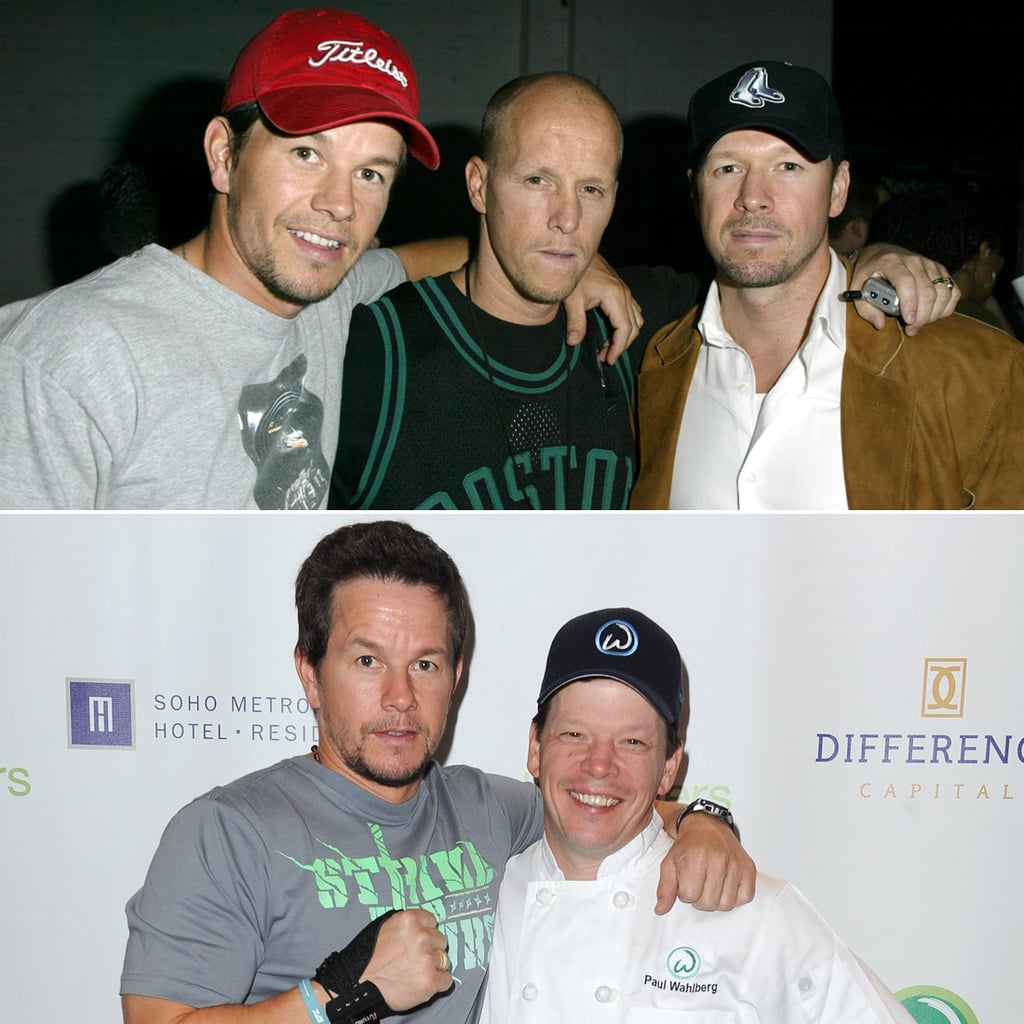
Born in 1965, Jim grew up in Dorchester, a working-class neighborhood of Boston, Massachusetts. He was raised in a cramped three-bedroom apartment alongside his eight siblings—including brothers Mark, Donnie, and Paul—by parents Donald and Alma Wahlberg. With parents working multiple jobs to put food on the table, supervision was scarce, and the streets quickly became a surrogate classroom.
By age ten, Jim had taken his first drink. What began as experimentation rapidly morphed into a coping mechanism for underlying anxiety and emotional distress. By twelve, he was skipping school, committing petty thefts, and experimenting with harder drugs. His early adolescence unraveled into a relentless cycle of juvenile court appearances, street violence, and group homes.
The Turning Point Behind Prison Walls
By his early twenties, Jim's life had hit a dangerous crescendo. Incarcerated multiple times for armed robbery and burglary, he eventually faced a long sentence at Massachusetts Correctional Institution (MCI) Concord and later at the maximum-security facility MCI-Cedar Junction.
Behind bars, Jim hit what he openly describes as his emotional and spiritual rock bottom. He seemed destined to live out the statistics of recidivism, but two critical encounters disrupted his trajectory:
- Father Jim Fratus: The prison chaplain saw humanity in Jim when he saw none in himself. Fratus gave Jim a custodial job cleaning the chapel, offering him a quiet refuge from the violence of the general population and encouraging him to examine his moral core.
- Mother Teresa’s Visit (1988): In a rare, historic event, Mother Teresa visited MCI-Cedar Junction to speak with inmates. Jim knelt on the concrete floor just feet away from her. Hearing her speak about divine mercy and unconditional love shattered his hardened exterior, plant-seeding a belief that his life still carried inherent worth.
Following that encounter, Jim committed to recovery. He joined twelve-step meetings inside the prison walls, embraced his Catholic faith, and resolved that if he ever walked out of the prison gates, he would never look back.
How Jim Wahlberg Turned Adversity into Advocacy
After earning parole, Jim faced the steep challenge of reintegrating into society as a convicted felon. He leaned heavily on twelve-step recovery, maintained a rigorous work ethic, and took entry-level jobs to prove his reliability.
In 2001, when his younger brother Mark Wahlberg established the Mark Wahlberg Youth Foundation, Jim was selected to serve as its Executive Director. The foundation was created to support inner-city youth through athletic programs, mentorship initiatives, and community center enrichment.
Video: The Jim Walhberg Story: Conversion in Prison, Now a Catholic Filmmaker

Under Jim's leadership, the foundation expanded its scope beyond after-school athletics to confront the opioid epidemic directly. Recognizing the signs of addiction that had once claimed his own youth, Jim shifted resources toward prevention, family education, and destigmatizing recovery.
Spreading Hope Through Storytelling
Understanding the emotional power of film, Jim began producing narrative short films aimed at educating parents and young people about the dangers of prescription opioids and fentanyl:
- If Only (2015): A dramatic short film designed to initiate conversations between parents and middle-to-high-school students about the rapid descent from casual pill use to dependence.
- What About Us (2019): A hard-hitting look at the collateral damage addiction inflicts on siblings and children within affected households.
- The Circle of Addiction: A Different Kind of Tears: A documentary project exploring the regional collapse caused by the opioid crisis in small-town America.
"The Big Hustle": Putting Redemption on Paper
In 2020, Jim published his memoir, The Big Hustle: A Boston Street Kid's Story of Addiction and Redemption. Unlike typical celebrity-adjacent memoirs, the book offers an unvarnished, humble look at personal failure, incarceration, and spiritual restoration.
In the book, Jim candidly dissects the self-deception and "hustler" mentality that kept him trapped in criminal behavior. He details how true healing required shedding that ego, taking accountability for past harms, and leaning on a higher power daily. The book resonated widely across the recovery community, giving hope to families wrestling with their own loved ones' battles.
Family Life and Enduring Purpose
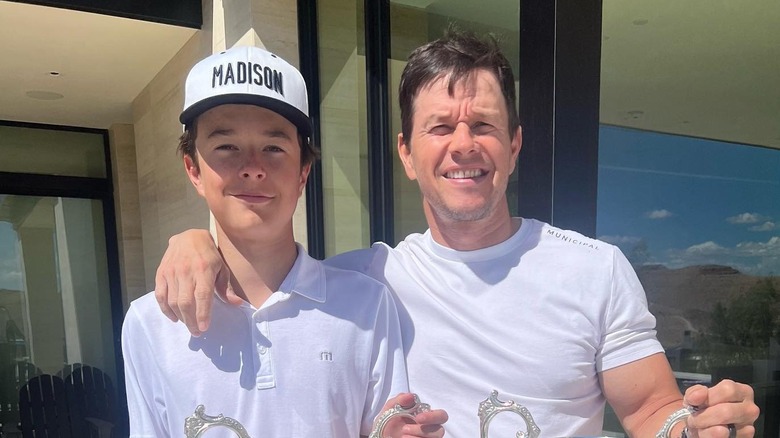
Today, Jim Wahlberg lives in Florida with his wife, Bennie, whom he credits as an unwavering pillar throughout his recovery. The couple has three adult children, including actor Jeff Wahlberg. Jim maintains close ties with his extended family, frequently appearing on their collaborative projects while remaining grounded in his community work.
Jim also hosts the Jim Wahlberg Podcast, where he interviews athletes, celebrities, medical professionals, and everyday survivors who share stories of resilience, faith, and mental wellness.
Core Lessons from Jim Wahlberg's Journey
Jim’s transformation offers several valuable insights for anyone affected by addiction or facing seemingly insurmountable personal setbacks:
- Rock bottom is a platform, not a sentence: Deep personal crisis often strips away pretenses, creating the necessary humility for real change.
- Service keeps you sober: By channeling his focus into saving young lives, Jim fortified his own long-term recovery through service.
- Stigma thrives in silence: Families cannot heal what they refuse to name. Open conversations about substance abuse save lives.
- Redemption requires daily work: Recovery is not a destination achieved once; it is a discipline renewed every morning through faith, accountability, and connection.
Jim Wahlberg proves that the darkest chapters of a person's life do not have to dictate the final story. Through honesty, service, and stubborn faith, he has turned the wreckage of his past into a lifeline for the next generation.