Jobs at Graveyards: Roles, Pay, and How to Get Hired
When people think of careers in the death care industry, funeral directors and morticians usually come to mind first. However, the spaces where loved ones are laid to rest require a dedicated, diverse workforce to operate smoothly, respectfully, and safely. If you prefer tranquil outdoor environments, steady physical activity, or meaningful customer service away from high-stress corporate offices, exploring jobs at graveyards may lead you to a surprisingly rewarding career path.

Cemeteries operate much like historic parks combined with specialized logistics hubs. From maintaining hundreds of acres of manicured turf to coordinating complex interments and archiving historical records, graveyard employment encompasses a wide variety of skill sets. Here is a closer look at the primary roles available, what they pay, and how you can enter the field.
Top Career Paths: Common Jobs at Graveyards
Graveyard roles generally fall into three categories: grounds and operations, administration and records, and family services. Depending on the size of the facility—whether it is a small municipal churchyard or a massive corporate memorial park—some positions may combine multiple responsibilities.
1. Cemetery Groundskeeper and Landscaper
Groundskeepers are the backbone of any cemetery. They ensure the property remains dignified, safe, and visually comforting for visitors. Duties extend far beyond basic lawn mowing.
- Primary duties: Mowing, weed-eating around upright monuments, pruning ornamental trees, applying fertilizers, clearing storm debris, and planting seasonal flora.
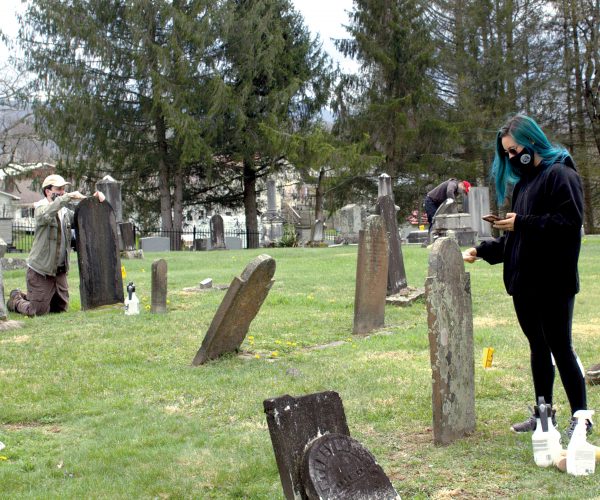
- Specialized tasks: Raising and leveling sunken headstones, power-washing weathered monuments, and repairing turf damaged by heavy excavation equipment.
- Typical pay: $15 to $22 per hour, depending on the region and equipment experience.
2. Interment Specialist / Grave Digger
Modern interment specialists do far more than dig holes. They are skilled equipment operators responsible for the precise, safe placement of caskets and urns according to strict legal and engineering standards.
- Primary duties: Operating mini-excavators, backhoes, and utility tractors; installing shoring boxes (trench shields) to prevent collapses; setting up lowering devices, grass skirts, and shade tents for committal services.
- Safety protocols: Compliance with OSHA excavation standards is critical. Workers must understand soil stability, utility line locations, and proper vault placement.
- Typical pay: $18 to $26 per hour.
3. Cemetery Sexton or Superintendent
Historically, a sexton was a church officer responsible for graveyard maintenance. Today, the sexton or superintendent serves as the cemetery manager or operations director.
- Primary duties: Overseeing daily burials, supervising grounds crews, enforcing cemetery bylaws, scheduling maintenance on machinery, and liaising with funeral directors.
- Requirements: Several years of experience in landscaping or death care operations, along with strong personnel and logistical management skills.
- Typical pay: $50,000 to $85,000 annually.
4. Cemetery Administrator and Registrar
Cemeteries maintain permanent public and private records, some dating back centuries. Administrators manage the meticulous documentation required by law.
- Primary duties: Mapping burial plots, recording deed transfers, verifying burial permits, managing vital statistics databases, and assisting genealogists or families searching for ancestor resting places.
- Key skills: Database proficiency, GIS mapping familiarity, high attention to detail, and empathetic communication.
- Typical pay: $17 to $25 per hour.
5. Family Service Counselor / Memorial Sales
Video: My Job at the Cemetery

These professionals guide families through purchasing burial plots, mausoleum crypts, cremation niches, and headstones. Work includes both "at-need" arrangements (at the time of a death) and "pre-need" planning (families purchasing assets in advance).
- Primary duties: Touring grounds with families, explaining memorial options, processing contracts, and working with monument engravers.
- Key skills: Exceptional empathy, sales acumen, and active listening.
- Typical pay: Base salary plus commission; total earnings typically range from $45,000 to over $90,000 per year.
Work Environment: What Daily Life Is Really Like
Working in a cemetery offers distinct benefits, but it also carries demands that differ from traditional workplaces.
Quiet and Autonomy: Most grounds staff enjoy a calm, self-directed workday without the persistent noise and micro-management common in commercial construction or retail environments. The work allows for quiet reflection and a connection to the outdoors.
Exposure to the Elements: Operations do not pause for weather. Burials happen in driving rain, bitter winter cold, and scorching summer heat. Physical stamina and durable gear are necessities.
Navigating Grief with Tact: Even if your job involves trimming hedges or operating machinery, you will inevitably cross paths with grieving visitors. Staff members must know when to step back, turn off machinery, lower their voices, and offer respectful silence.
Skills and Qualifications Needed
Most entry-level cemetery jobs do not require a college degree. Instead, employers look for reliability, specific technical aptitudes, and personal maturity:
- Equipment Operation: Experience with zero-turn mowers, commercial line trimmers, backhoes, and tractors is the quickest ticket to a grounds position.
- Physical Fitness: Crew members frequently lift memorial markers, bags of concrete, and vault lids weighing 50 pounds or more.
- Valid Driver’s License: Moving vehicles and trailers safely across narrow cemetery lanes requires a clean driving record.
- Emotional Intelligence: A calm, polite demeanor is non-negotiable. Cemetery employees must represent dignity and stability at all times.
Who Hires for Cemetery Positions?
When searching for openings, consider the three distinct ownership models in the cemetery sector:
- Municipal Governments: Many historic and community cemeteries are owned by cities or counties. Look for postings on municipal job portals under "Parks and Recreation" or "Public Works." These roles often come with excellent public employee benefits and pensions.
- Corporate Networks: Large death care providers (such as Service Corporation International / Dignity Memorial or Carriage Services) own hundreds of memorial parks nationwide. They recruit continuously for both maintenance and sales staff.
- Religious and Fraternal Organizations: Diocesan cemeteries, Jewish cemeteries, and fraternal associations manage independent properties. Postings are often found on regional denominational websites or local classifieds.
How to Stand Out in Your Application
If you are applying for cemetery maintenance or administrative roles, tailor your resume to highlight reliability and respect. Emphasize prior experience in landscaping, construction safety, equipment maintenance, or precision record-keeping.
During interviews, make sure to emphasize your appreciation for sacred spaces, your punctuality, and your ability to work unobtrusively around grieving families. Demonstrating reverence alongside practical competence will quickly set you apart from general applicants.