Jodi Arias Autopsy Photos: Are They Publicly Available?
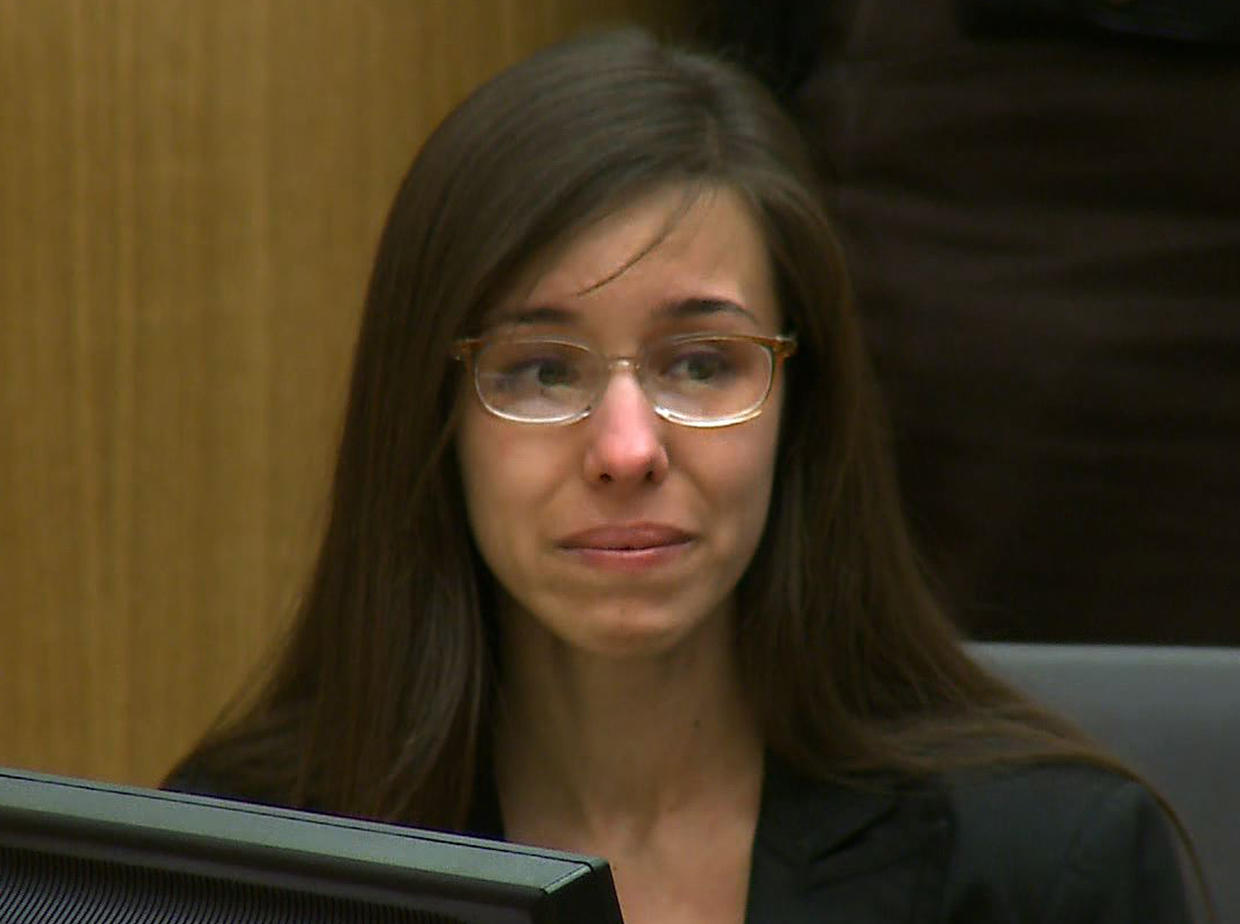
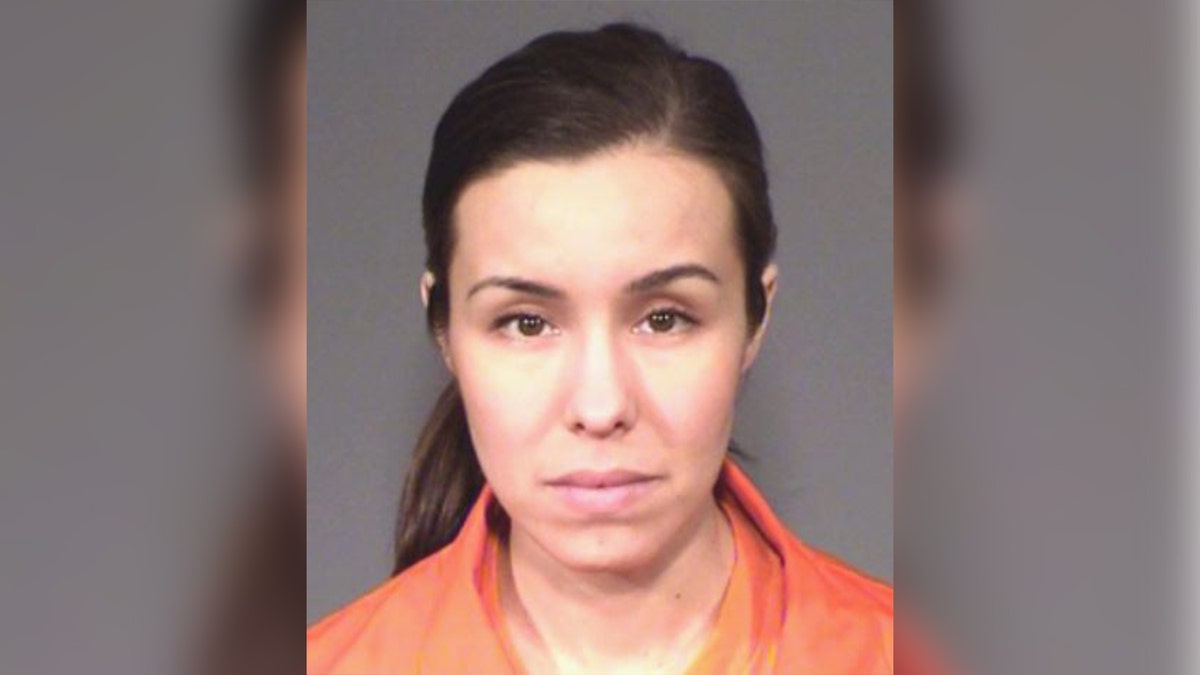
Few criminal cases in modern American history captured public attention quite like the trial of Jodi Arias. Convicted of the brutal 2008 first-degree murder of her ex-boyfriend, Travis Alexander, the case became a permanent fixture in the 24-hour news cycle and the annals of true crime history. Due to the gruesome nature of the crime, public curiosity has long extended beyond the courtroom testimony, leading to frequent online searches regarding specific case evidence—most notably, inquiries about Jodi Arias autopsy photos.

Understanding what records are available to the public requires a look at state laws, court rulings, and the ethical boundaries surrounding graphic evidence. This article examines the facts regarding these files, the legal framework governing public records in Arizona, and why certain images remain restricted.
The Nature of the Jodi Arias Case Evidence
The trial of Jodi Arias, which took place in Maricopa County, Arizona, involved an immense volume of digital, photographic, and forensic evidence. Prosecutors presented hundreds of exhibits to establish the timeline of the murder and demonstrate the severity of the attack on Travis Alexander, who sustained nearly 30 stab wounds, a gunshot wound to the head, and a severed throat.
Because trials in the United States are generally open to the public, much of the evidence presented in the courtroom eventually becomes part of the public record. This includes:
- Crime scene photographs showing the layout of Alexander's home.
- Digital camera recovered evidence, including controversial images taken by Arias and Alexander on the day of the murder.
- Audio and video recordings of Arias's police interrogation.
- Transcripts of witness testimonies, legal motions, and expert evaluations.
However, a distinct legal line separates general trial exhibits and crime scene photos from official medical examiner records, such as autopsies.
Are Jodi Arias Autopsy Photos Publicly Available?
The short answer is no. Official autopsy reports and associated photographic documentation generated by the Maricopa County Office of the Medical Examiner regarding the victim, Travis Alexander, are not freely available for public viewing online, and the convicted killer, Jodi Arias, did not undergo an autopsy because she is alive.
When internet users search for "Jodi Arias autopsy photos," they are usually conflating several different categories of media from the high-profile trial:
- Travis Alexander's Autopsy: The official medical examiner's report details the cause and manner of death. While text-based public records laws allow individuals to request certain government documents, graphic post-mortem photographs are heavily restricted by state privacy laws and decency standards.
- Crime Scene Photographs: Many graphic photos from inside the bathroom where Travis Alexander was killed were admitted into evidence during the trial. Because they were displayed openly in a public courtroom and broadcast via media outlets, some of these images were captured, leaked, or published on third-party shock-value websites.
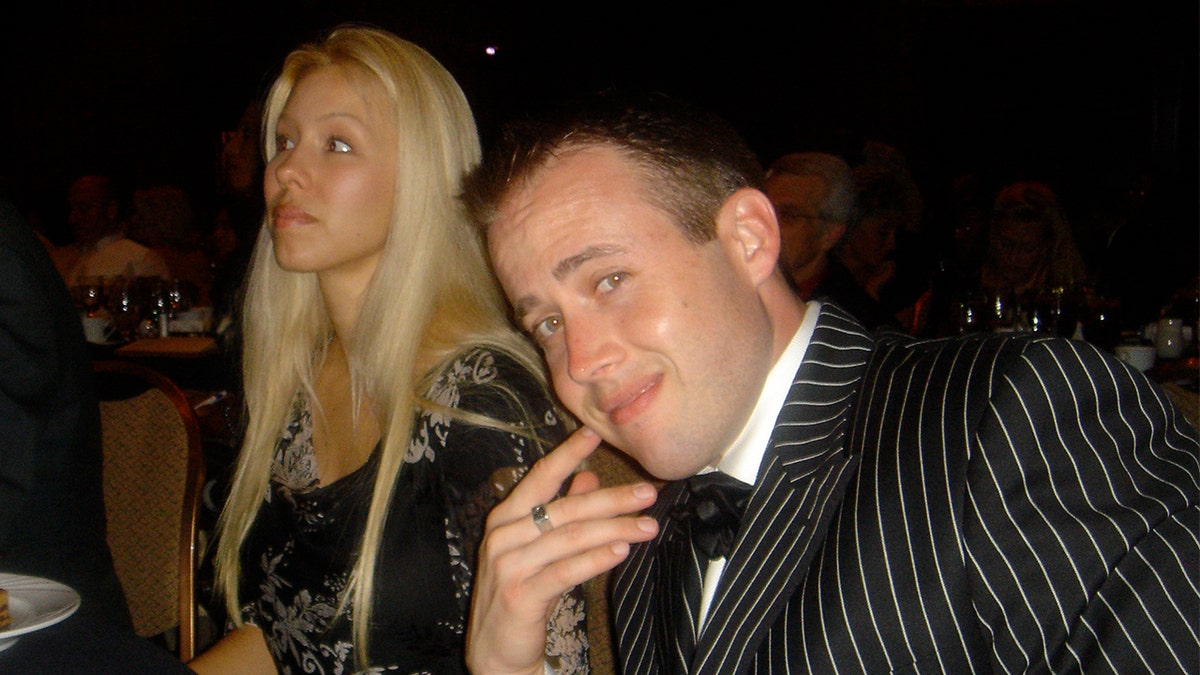
- Personal Digital Recovery: Photos recovered from the digital camera found at the scene—including images of Arias and Alexander earlier in the day, as well as inadvertent or post-crime images—were heavily publicized during the trial.
None of these circulating images constitute official autopsy photographs released for general public consumption.
Arizona Public Records Law and Graphic Media

Public access to government and law enforcement records in Arizona is governed by the state's Public Records Law (A.R.S. § 39-121 et seq.). While the law presumes that most records maintained by public bodies are open for inspection by any person, significant statutory and common-law exceptions exist.
The Privacy and Dignity of Victims
Courts frequently balance the public's right to know against the privacy rights and dignity of crime victims and their surviving families. The release of graphic post-mortem images is heavily guarded. Under Arizona law and standard medical examiner policies across the United States, autopsy photographs are considered highly sensitive material.
Allowing unrestricted public distribution of such images serves little legitimate journalistic or educational purpose while causing severe, compounding emotional distress to the victim's family and friends. Consequently, official channels deny requests for autopsy imagery from the general public.
Distinguishing Fact from Internet Rumor
The true crime community online is vast, and high-profile trials like the Arias-Alexander case spawn countless forums, social media groups, and YouTube channels dedicated to analyzing every detail. Unfortunately, this environment also breeds misinformation.
Websites seeking sensationalized web traffic often use misleading headlines implying that exclusive graphic images, including autopsy files, are available on their platforms. In almost all cases, these claims are false, leading users to paywalled sites, spam networks, or malicious links.
Furthermore, it is vital to remember the real human cost behind these searches. Travis Alexander was a real person with a family and community who mourned his loss. The ethical considerations surrounding true crime media demand a level of respect for the victims and the judicial process, steering ethical discourse away from gratuitous gore and toward legal analysis, domestic violence awareness, and systemic accountability.
Conclusion
Public curiosity surrounding high-profile criminal trials is understandable, but legal boundaries protect sensitive materials. Official autopsy photos and medical records from the Travis Alexander homicide are not publicly available due to strict state privacy protections and ethical standards governing post-mortem imagery. While crime scene photos and trial exhibits entered the public domain during the courtroom proceedings, graphic records remain restricted to preserve the dignity of the victim and adhere to Arizona public records statutes.