Jodi Arias Autopsy Photos: The Evidence Speaks
Few modern criminal trials captured public attention quite like the prosecution of Jodi Arias for the 2008 murder of Travis Alexander. Amidst competing narratives, conflicting testimonies, and intense media coverage, the physical evidence presented in the courtroom remained the ultimate arbiter of truth. Among the most critical and scrutinized pieces of documentation introduced by the prosecution were the Jodi Arias autopsy photos, which provided an undeniable scientific account of the violent nature of the crime.

While sensationalized headlines often focus on the morbid curiosity surrounding such exhibits, the judicial purpose of these forensic images is strictly evidentiary. This article examines how forensic pathology, crime scene analysis, and medical examiner testimony collectively dismantled the defense's claims of self-defense.
The Nature of the Forensic Evidence
In criminal homicide investigations, an autopsy serves as a post-mortem clinical examination designed to establish the exact cause and manner of death. In Travis Alexander's case, the findings documented by the medical examiner painted a harrowing picture of a brutal, sustained attack that defied any argument of a sudden, panicked struggle.
When the prosecution presented the visual evidence, they did so to establish three fundamental legal pillars:
- The severity of the trauma: The sheer number of wounds indicated an overwhelming level of force.
- The sequence of events: Pathology reports helped determine the chronological order in which injuries were sustained.
- The lack of defensive wounds: The physical markers on the victim's body contradicted the defendant's shifting claims of being physically battered during an assault.
Deconstructing the Self-Defense Claim
Throughout the legal proceedings, Arias changed her narrative multiple times. She initially claimed she had nothing to do with Alexander's death, later blamed masked intruders, and finally settled on a claim of self-defense, alleging that Alexander had attacked her in a fit of rage.
However, forensic experts used the physical evidence to systematically dismantle this defense. The medical examination revealed:
- Multiple stab wounds, numbering nearly 30 in total.
- A deep slash to the throat that severed the jugular vein and carotid artery.
- A gunshot wound to the head, which forensic experts determined was delivered either immediately before or during the knife attack.
Pathologists testified that wounds to the hands and arms, often classified as defensive wounds when a victim tries to ward off a blade, were largely absent or inconsistent with a prolonged, active fight for survival by the attacker. Instead, the wounds indicated an ambush scenario where the victim was quickly overwhelmed.
Premeditation vs. Heat of Passion

Under Arizona law, the distinction between first-degree murder (premeditated) and lesser charges hinged entirely on the state's ability to prove planning. The forensic findings played a pivotal role in establishing this element of premeditation.
Prosecutors argued that bringing a weapon to the victim's home, combined with the extreme violence and the systematic nature of the wounds, demonstrated a clear intent to kill. The physical condition of the body corroborated the prosecution's theory that the attack was not a spontaneous, momentary loss of control, but a calculated execution.
The Role of Digital Evidence in Corroboration
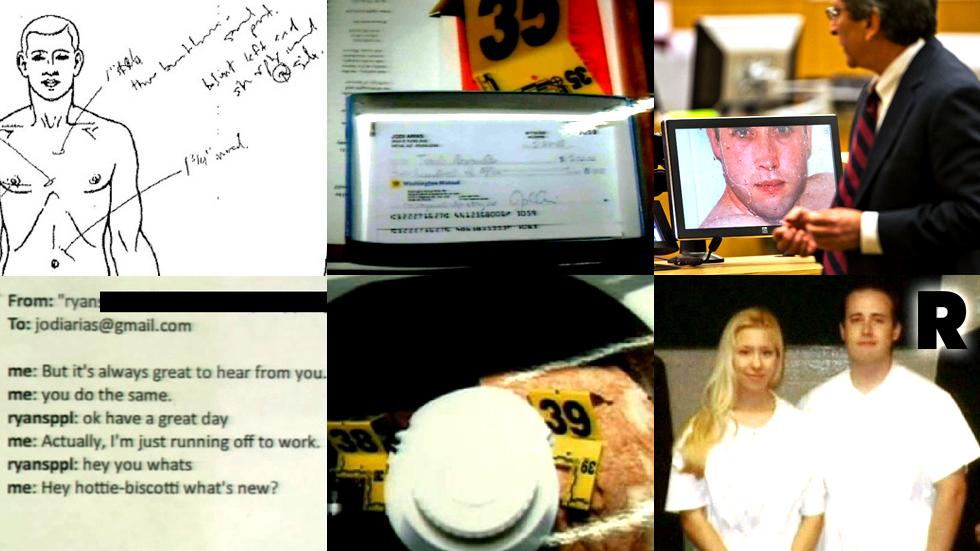
The forensic pathology did not exist in a vacuum; it was powerfully supported by digital evidence recovered from Alexander's camera. Investigators found photographs taken on the afternoon of the murder that showed Alexander alive in his home, followed by images of him bleeding on his bathroom floor, and accidentally captured images of Arias herself.
This timeline, verified by timestamps, aligned precisely with the trauma documented in the medical examiner's report. The combination of photographic evidence from the crime scene and the detailed analysis of the body left little room for reasonable doubt regarding how the events transpired inside the residence.
Ethical Considerations and Courtroom Reality
The introduction of graphic forensic exhibits in high-profile trials always raises ethical and emotional questions. Judges must carefully weigh the probative value of such evidence—its legal necessity in proving the crime—against its potential to unduly prejudice or inflame the jury.
In this trial, the judge permitted the state to use the medical imaging and documentation because it was strictly necessary to refute the defendant's specific testimony regarding the physical struggle. The images served as silent witnesses that could not be cross-examined, forced to change stories, or discredited by emotional appeals.
Conclusion
The legal outcome of the case ultimately rested on the cold, hard facts established by science. While public fascination often centers on the dramatic courtroom exchanges, the definitive resolution of the case was achieved through forensic medicine. The physical record left behind provided the final, indisputable voice in a tragedy that forever changed the lives of everyone involved.