John Daly’s Rich Secrets: How He Built His Empire
Unveiling John Daly’s Rich Secrets: How He Reached a $100M+ Net Worth Empire!

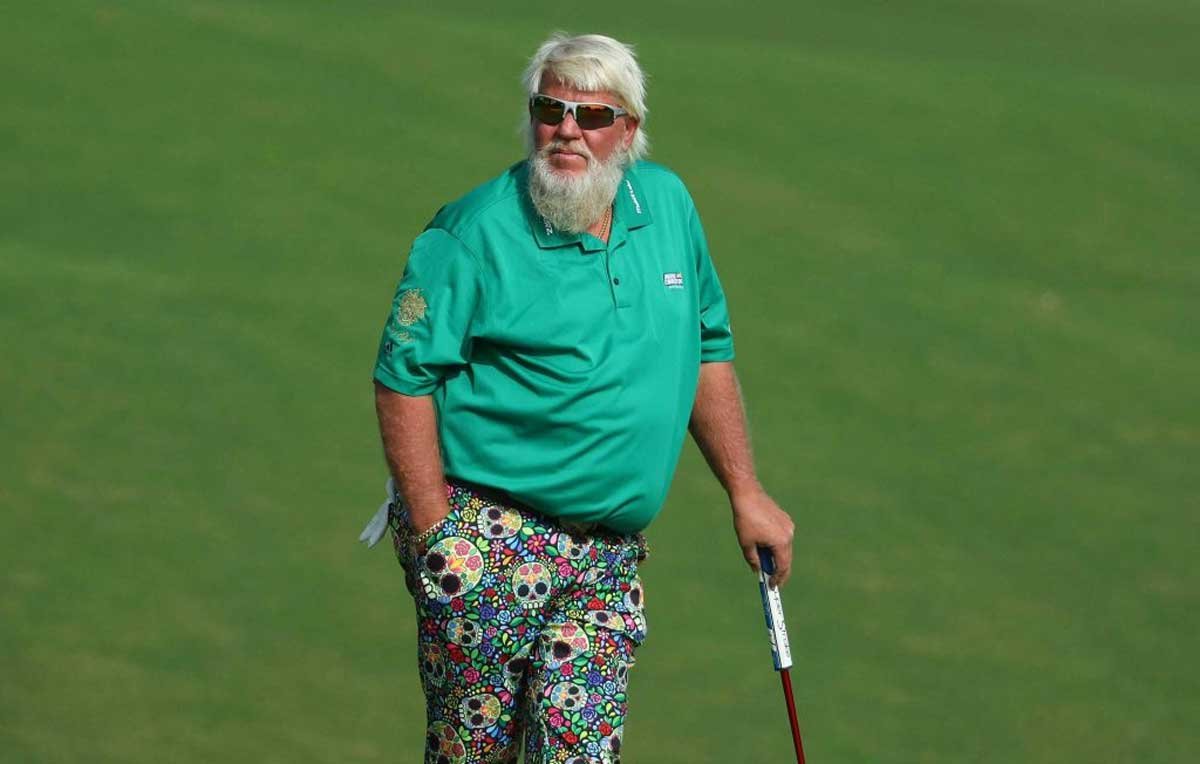
When most people think of John Daly, they picture the swinging mullet, the vivid Loudmouth golf pants, a Diet Coke, and a cigarette dangling from his lips. Nicknamed 'Wild Thing,' Daly carved out a legendary, highly unconventional path through professional golf. While his raw talent earned him two major championships—the 1991 PGA Championship and the 1995 Open Championship—his long-term financial survival and subsequent brand expansion tell an even more fascinating story. Understanding John Daly’s rich secrets requires looking past the turbulence of his early career to see a masterclass in staying relevant, highly marketable, and fiercely independent.
Despite notorious financial struggles, bankruptcies, and high-stakes gambling losses in his younger years, Daly managed to turn his unique persona into a lucrative enterprise. Today, his financial footprint extends far beyond PGA Tour prize money, encompassing global licensing, merchandise, music, and strategic partnerships.
The Early Foundation: Major Wins and PGA Tour Earnings
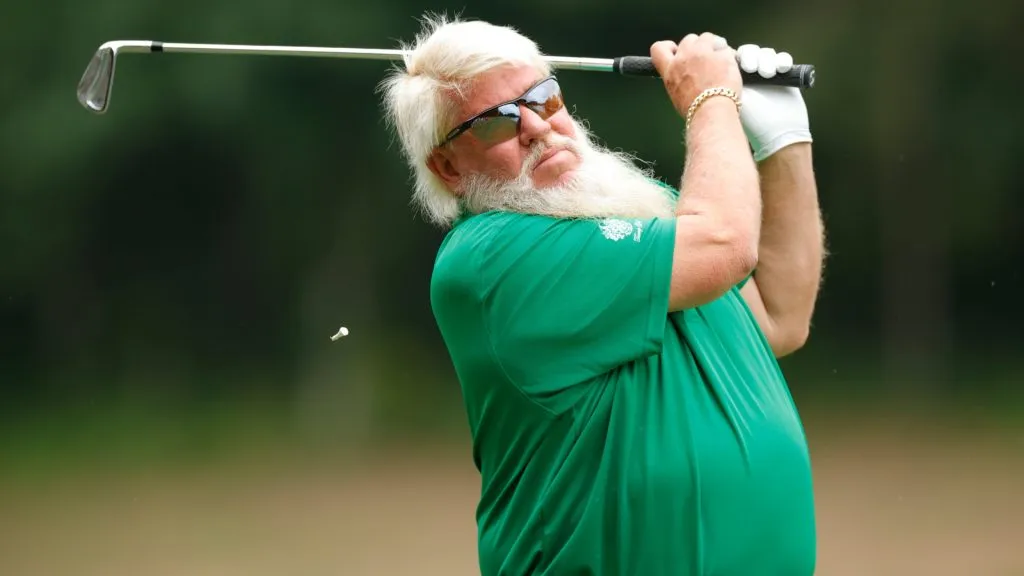
Daly burst onto the professional golf scene in 1991 as an unheralded rookie who drove the ball farther than almost anyone else on the planet. His dramatic victory at Crooked Stick Golf Club during the 1991 PGA Championship instantly turned him into a household name. Four years later, he outdueled Costantino Rocca in a playoff at St. Andrews to claim the Claret Jug at the Open Championship.
While modern golfers routinely sign nine-figure contracts, Daly’s peak earnings era happened in the 1990s and early 2000s, when purses were significantly smaller. Over his career on the PGA Tour and PGA Tour Champions, Daly accumulated official earnings of roughly $10 million to $12 million in prize money. However, tournament earnings were only ever the tip of the iceberg for the fan-favorite slugger.
Turning the 'Wild Thing' Persona into a Brand
Daly’s true financial turning point came from realizing that his appeal was rooted in his authenticity. While traditional golfers wore pristine white and muted navy, Daly embraced vibrant colors and absolute individuality. This self-awareness birthed a multi-layered business model.
High-Profile Endorsements
At his peak, major brands recognized that Daly moved the needle. He secured massive endorsement deals with companies like:
- Callaway Golf: A long-standing relationship that put his name and signature clubs in the hands of millions of amateur players.
- MasterCard: Featured prominently in national television advertising campaigns.
- Pizza Hut and Hooters: Brand alignments that leaned heavily into his everyday-man persona rather than a sterile athletic image.
Loudmouth Golf and Apparel Licensing
Perhaps no partnership defined Daly’s modern brand quite like Loudmouth Golf. By wearing their outrageously patterned trousers on global television broadcasts, Daly single-handedly created a market for novelty golf apparel. He didn’t just wear the clothes; he became a co-creator, launching signature lines that fans eagerly purchased online and at tournaments worldwide.
Diversifying the Empire: Music, Media, and Real Estate

Daly never restricted himself to the golf course. His entrepreneurial ventures spanned multiple entertainment sectors, creating diversified streams of income that insulated him from the volatility of his golf game.
Country Music Career
A talented singer and songwriter, Daly released several country albums, most notably My Life in 2002 and I Only Know One Way in 2010. He has performed alongside country legends like Kid Rock and Willie Nelson. Concert appearances, merchandise sales, and streaming royalties added a distinct revenue stream to his portfolio.
Media Appearances and Book Deals
Daly’s unfiltered honesty made him a sought-after guest for television shows, podcasts, and documentaries. His autobiography, My Life In and Out of the Rough, became a New York Times bestseller, proving that public fascination with his life story had immense commercial value.
Golf Course Design and Appearances
Daly transitioned into course architecture, lending his name and design expertise to projects like Lion’s Den in Arkansas. Additionally, appearance fees for corporate golf outings, long-drive exhibitions, and PGA Tour Champions events continue to command healthy five-figure paydays per event.
Financial Lessons from the Ups and Downs
Daly’s financial trajectory has not been without turbulence. In the late 1990s and early 2000s, high-stakes gambling and turbulent personal relationships led to well-publicized financial distress and bankruptcy filings. Yet, his ability to bounce back highlights resilient survival instincts.
He learned to monetize his flaws rather than hide them. By leaning into his status as golf’s ultimate anti-hero, Daly created a resilient brand that fans remained loyal to, regardless of his tournament leaderboards. Sponsors realized that perfection was boring, but John Daly was always compelling television.
The Legacy of Golf’s Ultimate Populist
Evaluating John Daly’s financial footprint reveals a blueprint for modern personal branding. Long before social media influencers monetized their authenticity, Daly proved that being unapologetically yourself is the ultimate commercial asset. Through a blend of major championship prestige, shrewd merchandise licensing, music ventures, and an unbreakable bond with golf fans, John Daly secured a lasting financial legacy that extends far beyond the 18th green.