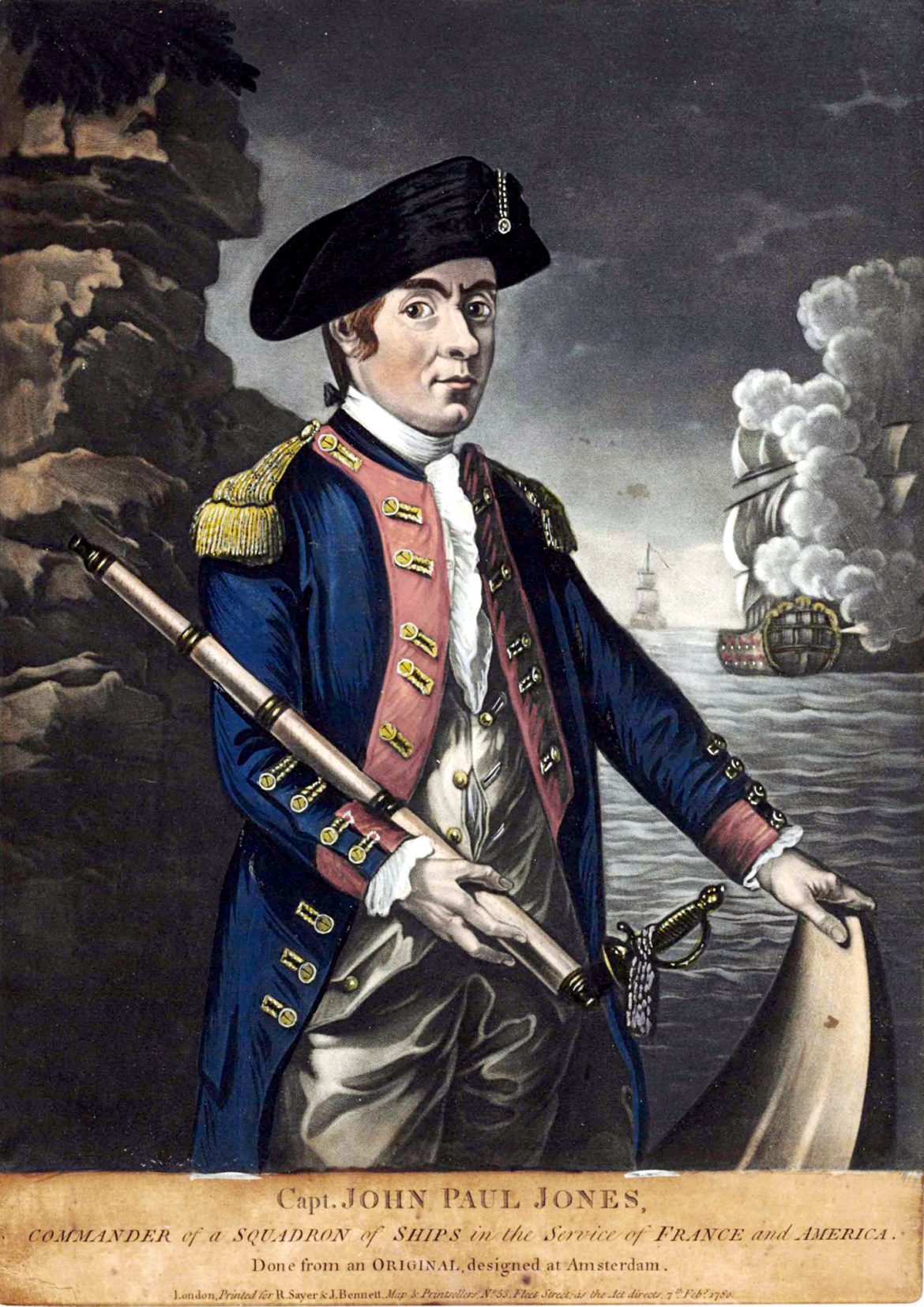
John Paul Jones’s 10 Greatest Feats Explained
Long before modern warships patrolled the globe, the American Continental Navy relied on daring, audacity, and sheer skill to challenge the British Royal Navy. At the forefront of this naval insurgency stood John Paul Jones. Popularly remembered as the Father of the American Navy, his actual life reads like a high-stakes adventure novel. Beyond the mythos, **the true stories behind John Paul Jones’s 10 greatest feats!** reveal a brilliant, complex, and fiercely driven commander who changed maritime warfare forever.

1. Escaping the British Trap in the Caribbean (1773)
Before the American Revolution even began, John Paul Jones—then known simply as John Paul—was a Scottish-born merchant captain. While commanding a merchant ship in the Caribbean, a violent mutiny broke out. In self-defense, Jones ran his sword through the ringleader. Fearing biased colonial courts would hang him, he fled his ship and adopted the surname "Jones" while making his way to North America to reinvent himself.
2. The First Formal Salute to the American Flag (1777)
Commanding the newly outfitted warship USS *Ranger*, Jones sailed to France to secure European alliances. As he entered the French port of Quiberon Bay, the French fleet fired a nine-gun salute to his vessel. Jones responded with an equal number of guns. This diplomatic milestone marked the first time a foreign government officially recognized the Stars and Stripes as the flag of an independent sovereign nation.
3. The Audacious Raid on Whitehaven (1778)
Seeking to bring the reality of war directly to British soil, Jones devised a shocking raid on Whitehaven, England, where hundreds of merchant colliers were docked. Under the cover of darkness, Jones led a small landing party ashore, spiked the guns of the local fort, and attempted to set the entire British merchant fleet on fire. While the raid only partially succeeded due to changing tides and a traitorous crew member, it sent panic through the entire British coastline.
4. Capturing HMS Drake at Sea (1778)
Following his raid on Whitehaven, Jones crossed the Irish Sea to target Carrickfergus. There, he encountered the Royal Navy sloop HMS *Drake*. In a brutal, highly tactical engagement lasting just over an hour, Jones systematically dismantled the British ship. Outmaneuvering the enemy captain, Jones forced the *Drake* to surrender—marking the first time an American warship captured a British Royal Navy vessel in British home waters.
5. Uttering the Immortal Words: "I Have Not Yet Began to Fight!"
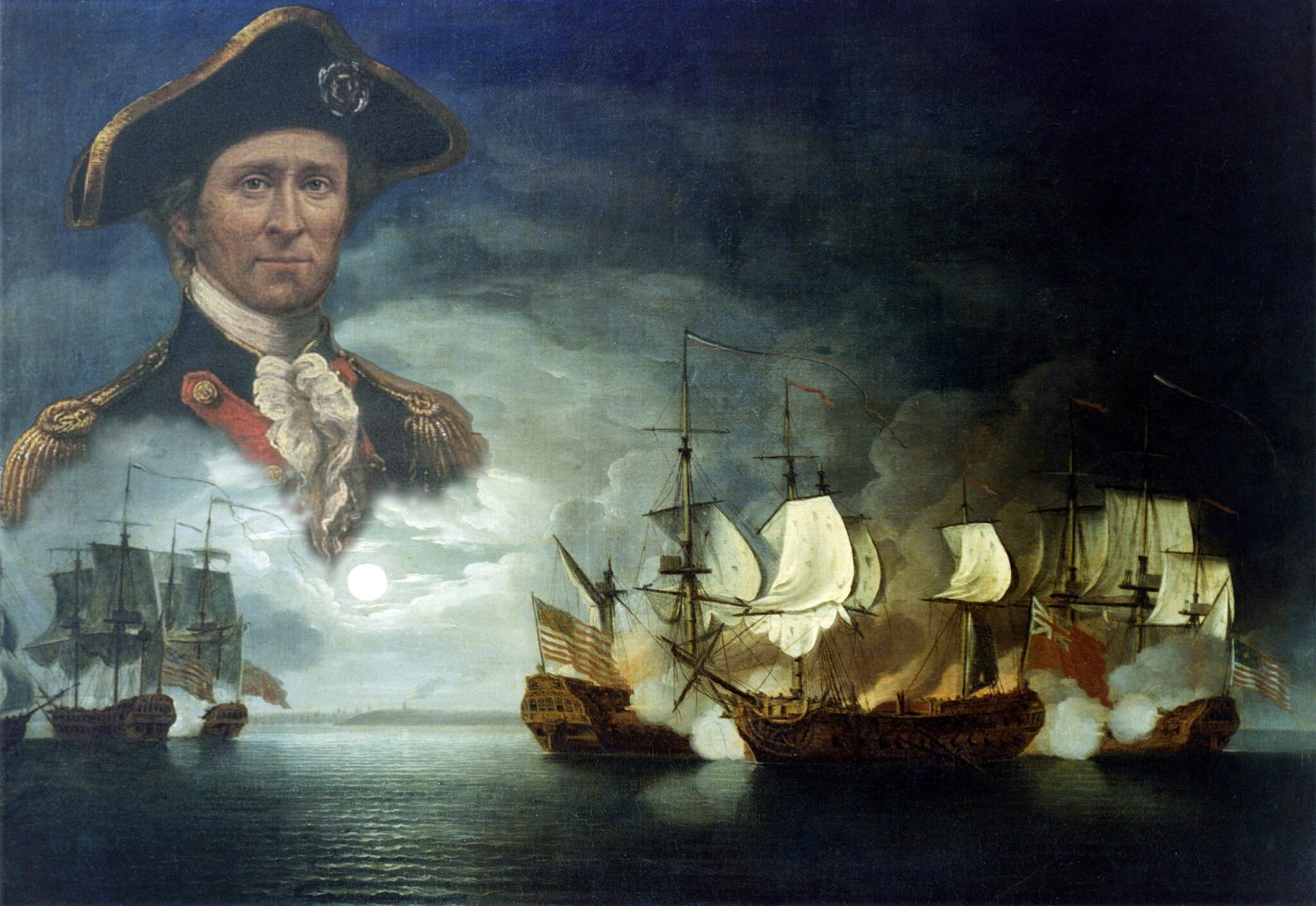
This is arguably the most famous quote in American naval history, born during the Battle of Flamborough Head on September 23, 1779. Command-ing the heavily modified French merchant ship renamed the *Bonhomme Richard*, Jones engaged the modern British frigate HMS *Serapis*.
Early in the battle, an explosion from his own defective cannons decimated his gun deck. The British commander, Richard Pearson, called out across the smoke, asking if Jones was ready to surrender. Jones replied with his legendary retort, refusing to yield despite facing certain defeat.
Video: John Paul Jones: The Man Who Created the US Navy and Terrified the British | Forgotten History
6. The Daring Tying-Together of Two Ships
During that same fierce battle with the *Serapis*, Jones realized his ship was outgunned and sinking. Instead of retreating, he maneuvered the *Bonhomme Richard* directly into the side of the *Serapis*, ordering his crew to lash the rigging of the two ships together. By locking the vessels in a deadly embrace, Jones neutralized the British ship's superior maneuverability and turned a broadside artillery duel into a brutal, close-quarters infantry battle on the decks.
7. Clearing the British Decks with Grenades
As the battle of Flamborough Head reached its climax, Jones's tactical brilliance turned the tide from the deck of his sinking ship. Spotting an open hatch on the enemy's upper deck, one of Jones’s midshipmen crawled out onto the yardarm and dropped a live grenade directly into a pile of loose gunpowder cartridges on the *Serapis*. The resulting chain-reaction explosion killed dozens of British sailors and threw the crew into utter disarray, paving the way for Jones's eventual victory.
8. Claiming the Enemy Flagship
Hours after lashing his ships together, the *Bonhomme Richard* finally succumbed to the sea and began to sink. In a stunning role-reversal, Jones and his surviving crew abandoned their own sinking vessel and boarded the captured HMS *Serapis*. Jones sailed his newly claimed British flagship into a neutral Dutch port, leaving the Royal Navy utterly humiliated.
9. Earning the Order of Military Merit in France
Jones's exploits made him a global celebrity. Upon returning to France, King Louis XVI honored the captain with the prestigious title of Chevalier (Knight) and presented him with a gold-hilted sword. Catherine the Great of Russia took notice of his tactical genius, eventually inviting him to serve in the Imperial Russian Navy as a Rear Admiral.
10. Defeating the Ottoman Navy at the Battle of Liman (1788)
Serving under the Russian flag in the Black Sea, Jones commanded a squadron against the Ottoman Empire. At the Battle of Liman, Jones deployed his trademark aggressive tactics, outmaneuvering a larger Ottoman force in shallow waters. Despite facing political intrigue and jealousy from Russian commanders who ultimately forced him out of service, Jones proved that his tactical brilliance extended far beyond the American theater.
Conclusion
John Paul Jones was far more than a swashbuckling privateer; he was a master tactician who understood the psychological and strategic power of taking the fight directly to the enemy's doorstep. From his daring coastal raids to his refusal to surrender the *Bonhomme Richard*, his legacy remains foundational to the ethos of the United States Navy.