JonBenét Crime Scene Photos: Experts Debate the Real Story
On December 26, 1996, six-year-old JonBenét Ramsey was reported missing from her family's home in Boulder, Colorado, sparking one of the most heavily scrutinized homicide investigations in American history. Decades later, when modern investigators and forensic experts debate the real story behind the JonBenét crime scene photos, they confront a visual archive that is as frustrating as it is revealing. Captured during a chaotic initial response, these still images remain the primary battleground between those who believe an intruder killed the child and those who argue the scene was staged by someone inside the house.
The Compromised Perimeter: Context Behind the Camera
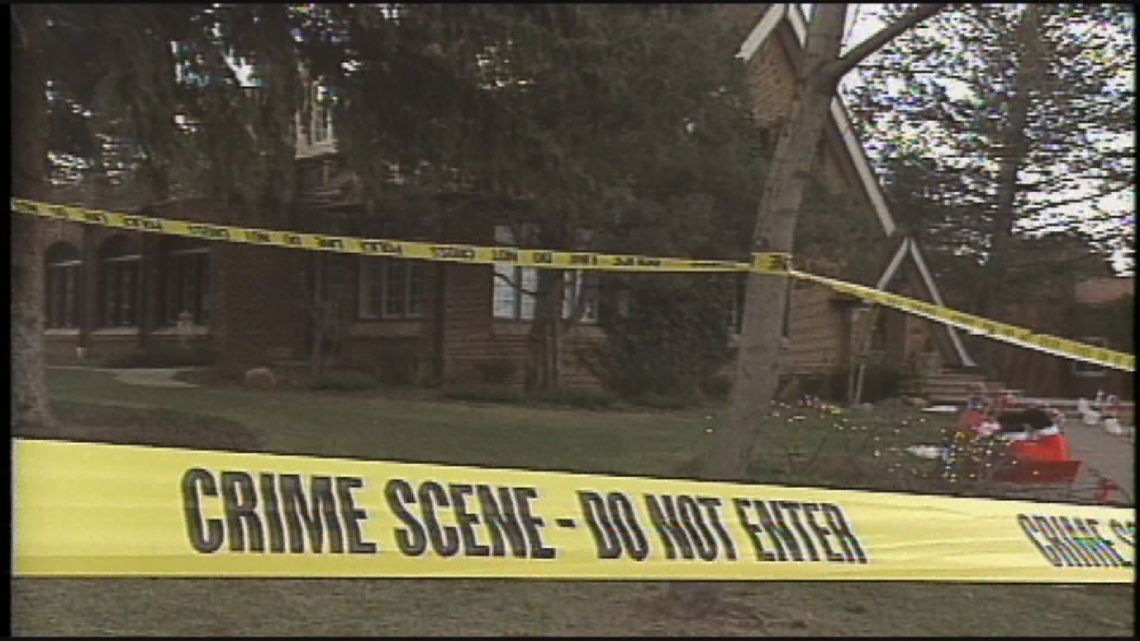
To understand the photographic evidence, one must understand how severely the crime scene was compromised before the camera shutter ever clicked. When Boulder Police Department (BPD) officers first responded to Patsy Ramsey's 911 call reporting a kidnapping, they treated the residence primarily as a search-and-rescue and extortion scenario rather than an active homicide scene.
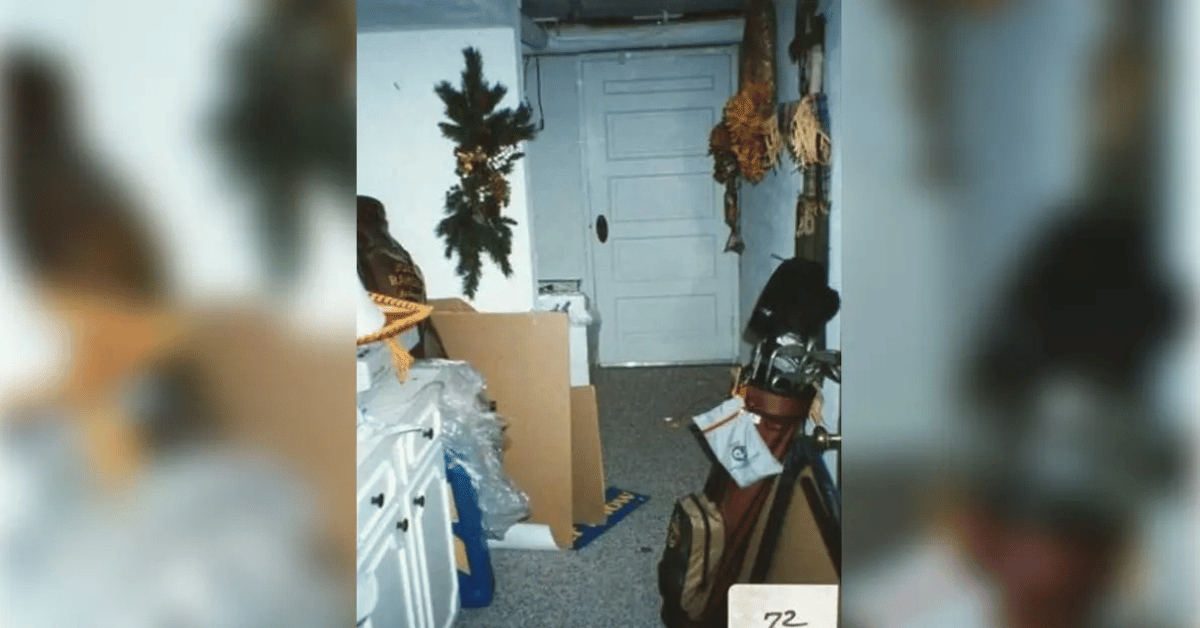
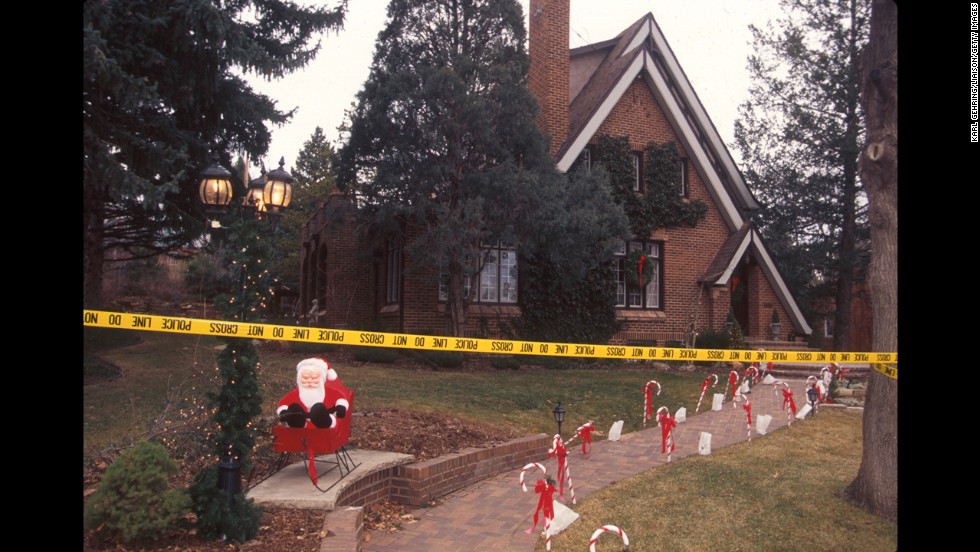
The home at 755 15th Street was not immediately sealed. Family friends, victim advocates, and family members walked freely through the hallways, gathered in the kitchen, and helped search rooms. Surfaces were wiped down, doors were opened, and potential trace evidence was disturbed. Hours later, when John Ramsey discovered his daughter's body in the basement wine cellar and carried her upstairs, the primary resting position of the victim was altered before comprehensive forensic photography could document it in situ.
Consequently, every photograph taken that day carries an asterisk. Analysts must constantly weigh whether an anomaly represents an intruder's footprint, a family habit, or the accidental disturbance of a first responder.
Experts Debate: The Real Story Behind the JonBenét Crime Scene Photos
Despite the procedural chaos, crime scene technicians and detectives managed to capture dozens of critical photographs. Today, independent forensic pathologists, retired homicide detectives, and criminal profilers analyze these images through drastically different lenses.
1. The Basement Window and the Cobweb
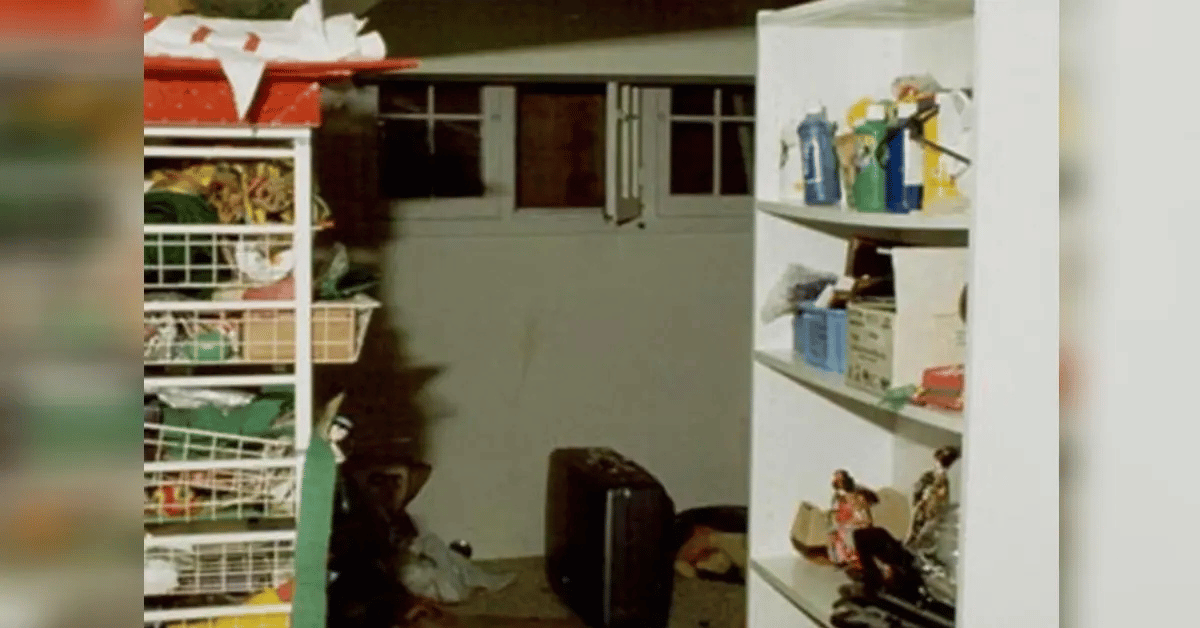
One of the most fiercely contested images in the case file shows a broken basement window and the suitcase positioned directly beneath it. Legendary Colorado Springs homicide detective Lou Smit, who joined the investigation as an independent consultant, argued that this photograph documented the intruder's point of entry.
- The Intruder Interpretation: Smit pointed out that the window grate was unlatched, the window pane was broken, and a Samsonite suitcase rested directly beneath the sill. A photograph of the suitcase showed a faint footprint smudge on its top surface, and a scrape mark appeared on the wall below the window, which Smit argued matched the footwear of an intruder lowering himself into the dark basement.
- The Skeptics' View: Former BPD lead detective Steve Thomas and other investigators pointed to a photograph of the same window frame showing an intact, undisturbed spiderweb in the corner of the grate. Critics argued that an adult male could not have squeezed through the narrow opening without destroying the web or scattering the thick layer of undisturbed dust on the sill. John Ramsey also confirmed he had broken that window months earlier after locking himself out.
2. The Pineapple Bowl on the Kitchen Table
A seemingly mundane photograph of the Ramsey breakfast table became a central piece of the forensic timeline. The image shows an oversized spoon resting in a bowl containing cut pineapple and milk.
During the autopsy, coroner Dr. John Meyer recovered fragments of undigested fresh pineapple from JonBenét's proximal duodenum, indicating she had eaten the fruit shortly before her death. However, John and Patsy Ramsey maintained that JonBenét had fallen asleep in the car on the way home from a Christmas party and was carried straight to bed without eating.
Forensic testing later matched the chemical composition of the stomach contents to fresh pineapple, and fingerprint analysis revealed Burke Ramsey's and Patsy Ramsey's prints on the bowl and spoon. For staging theorists, the photo suggests an undocumented interaction occurred downstairs late that night. Conversely, defense analysts argue that in a busy household, unwashed bowls can linger for days without proving when a victim consumed food.

3. The Ransom Note Pad and Sharpie Pen
Photos taken of the wooden hallway table document the pad of lined paper and the black Sharpie pen used to draft the three-page ransom note. Both items belonged to the Ramsey home. Crime scene photographs revealed that the pad came from Patsy's personal desk supplies, and several practice pages had been torn out before the final note was penned.
Criminal profilers highlight this photographic evidence as anomalous for an external kidnapper. An intruder bringing a ransom note typically drafts it beforehand rather than spending upwards of twenty minutes inside an occupied residence writing a lengthy, theatrical letter using the homeowner's stationery and returning the pen to its exact container.
4. The Ligature and the Broken Paintbrush Handle
Photographs of the garrote used to strangle JonBenét document a sophisticated, tightly knotted cord attached to a broken wooden stick. The stick was photographed and later identified as part of an artist's paintbrush handle belonging to Patsy Ramsey's paint set, stored in the basement hobby area.
Forensic pathologists have spent years debating the mechanics visible in these images:
- Staging Argument: Some analysts suggest the garrote was fashioned hastily using readily available materials from the basement to mimic a sadistic abduction and obscure a prior, accidental head injury.
- Intruder Argument: Other forensic experts argue that the intricate knots required technical skill, time, and intent that run counter to a frantic domestic cover-up, suggesting a sexually motivated predator who brought cordage and improvised a handle on-site.
5. The Mysterious Body Marks: Stun Gun vs. Toy Train
Photographs taken at the autopsy table document two small, circular abrasions on JonBenét's face and lower back, spaced roughly 3.5 centimeters apart. These injuries generated one of the sharpest divides among forensic specialists.
Lou Smit demonstrated that the distance between the marks closely matched the contact probes of an Air Taser stun gun, theorizing that an intruder subdued the child in her bed before carrying her downstairs. However, Dr. Michael Dobersen and other medical examiners noted that typical stun gun wounds exhibit distinct dermal burns and burst blood vessels that were absent in the tissue photos. Later independent reviews suggested the marks aligned with the metal pins of a toy train track owned by Burke Ramsey, found elsewhere in the basement.
The Photographic Legacy in Modern Forensics
The crime scene photographs from 755 15th Street serve as a cautionary textbook study in modern law enforcement academies. They highlight the severe consequences of failing to immediately lock down a residence, isolate witnesses, and establish a strict crime scene log.
While advances in touch DNA technology have introduced new profiles from JonBenét's clothing—leading the Boulder District Attorney's Office to officially clear the immediate Ramsey family in 2008, a decision still debated by forensic experts—the photographic record remains frozen in time. These images cannot be altered, enhanced beyond physical reality, or replaced. Decades later, they remain open to interpretation, offering conflicting clues that keep the resolution of the JonBenét Ramsey homicide just out of reach.