JonBenét Ramsey Crime Scene Pics: Did They Solve It?
Unraveling the JonBenét Ramsey Mystery: The Crime Scene Pics That Solved the Case?
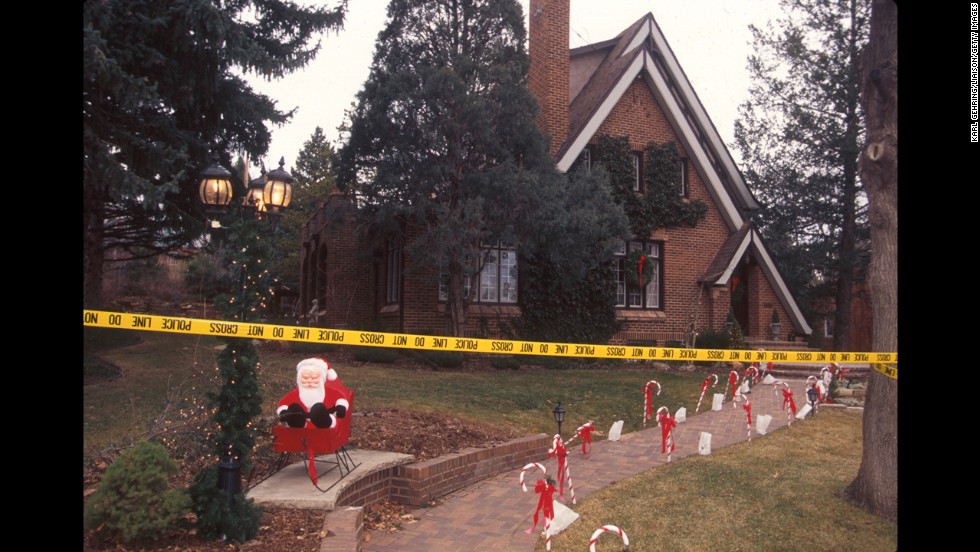
Decades after six-year-old beauty queen JonBenét Ramsey was found dead in the basement of her Boulder, Colorado home, the case remains one of America’s most infamous unsolved mysteries. From ransom notes to conflicting DNA profiles, every element of the December 26, 1996, tragedy has been scrutinized. Among the most polarizing pieces of evidence are the visual records documented by investigators. But is there any truth to the idea that the official JonBenét Ramsey crime scene pics actually solved the case?
To understand why these images hold such fascination—and why they continue to divide armchair detectives and seasoned investigators alike—we must look closely at what the photographs captured, how the scene was handled, and what forensic experts can still glean from them today.
The Night of the Discovery
The tragedy began in the early morning hours of December 26, 1996, when John Ramsey found a ransom note demanding $118,000 on the back staircase of his home. Hours later, during a desultory search of the house alongside a police officer, John unlocked a latch on a cold cellar door in the basement. There, he discovered his daughter’s lifeless body, covered by a white blanket.
Panic ensued. John lifted JonBenét’s body upstairs and placed it on the floor of the living room. Friends, family, and police officers flooded the residence, trampling potential evidence and fundamentally altering the pristine nature of the crime scene before forensics teams could properly document it.
What the Crime Scene Photographs Actually Show
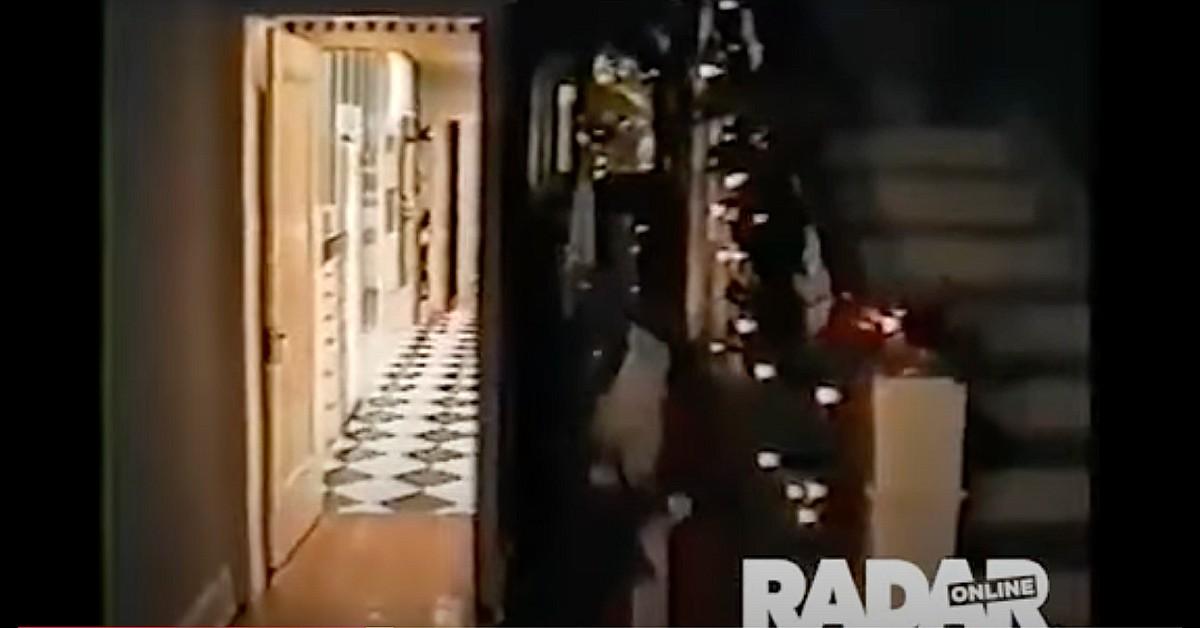
Despite the initial contamination, investigators took hundreds of photographs and video footage of the Ramsey home. These visual records provide a haunting, detailed look into the physical layout and the immediate aftermath of the discovery.
Key Elements Captured in the Photos
- The Ransom Note: Images of the handwritten, three-page note left on the kitchen spiral tablet, noted for its unusual length and specific monetary demand.
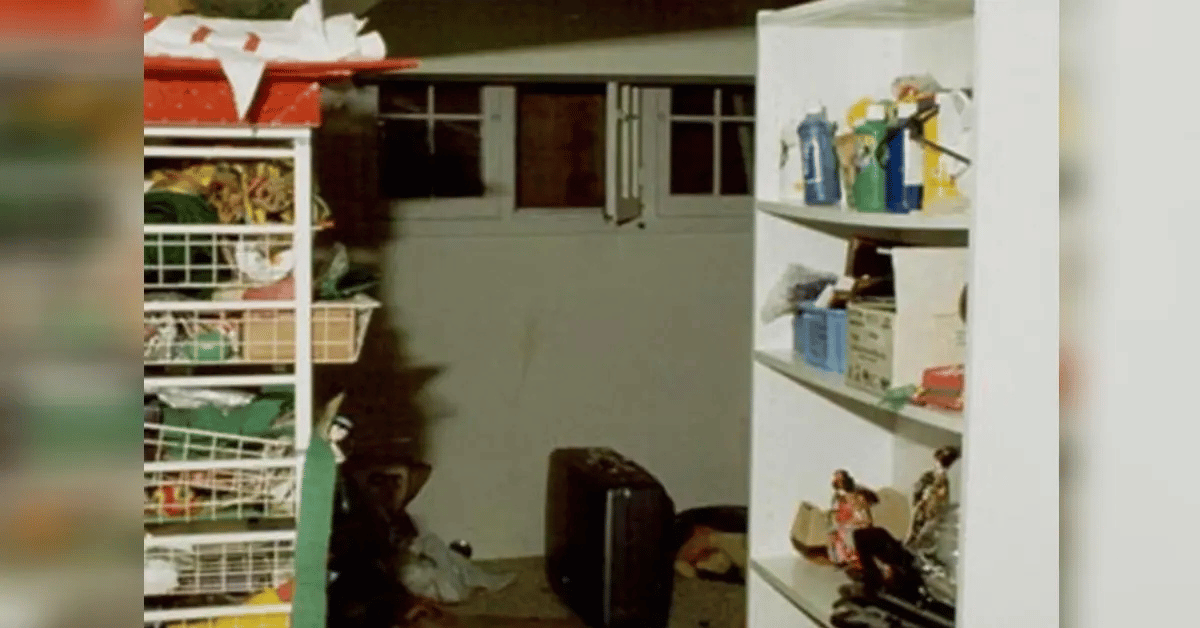
- The Basement Rooms: Photos of the subterranean wine cellar where JonBenét was found, detailing the dim lighting, broken window, and scattered debris.
- The Ligature and Tape: Close-up documentation of the cord around the victim's neck and the duct tape placed across her mouth, which became central points of forensic debate.
- The Living Room Area: Documentation of where the body was laid after being moved from the basement, capturing the positioning of surrounding furniture and onlookers.
Did the Photos Solve the Case?
The short answer is no. Rather than providing a definitive answer, the crime scene photographs have served as fuel for competing theories. Because the initial investigation was plagued by missteps, experts view the photographic evidence with a mixture of utility and frustration.
Video: The Tragic Murder Of JonBenét Ramsey
Depending on who is looking at the images, the photos are used to support two vastly different narratives:
The Intruder Theory
Proponents of the intruder theory point to photographs showing an open basement window, a suitcase positioned underneath it, and scuff marks on the walls. They argue that visual evidence proves an unknown perpetrator broke into the house, assaulted the child, and escaped into the snowy Boulder night, leaving behind foreign DNA that investigators later detected on JonBenét’s clothing.
The Family Involvement Theory
Conversely, investigators and critics who suspect family involvement look at the very same photographs to argue the opposite. They highlight the staging of the scene, pointing out that the ransom note matched the handwriting style of the household and used a notepad belonging to the family. They argue that the crime scene photos depict an artificial environment designed to throw police off the scent, pointing to the locked interior doors and lack of forced entry indicators on primary exterior exits.
Lessons Learned in Modern Forensics
While the photographs did not definitively solve the JonBenét Ramsey mystery, they revolutionized how law enforcement agencies approach crime scene management. The Boulder Police Department's early handling of the Ramsey home is now studied in police academies worldwide as a textbook example of what not to do.
Key takeaways from the photographic record include:
- The absolute necessity of securing a perimeter immediately upon discovering a deceased individual.
- The danger of allowing family members and bystanders to move victims or touch evidence.
- The importance of high-resolution digital documentation to capture micro-details before investigators walk through a room.
The Enduring Quest for Justice
As forensic technology advances, cold case investigators continue to re-examine digital scans and high-resolution versions of the original crime scene pics. Improvements in touch-DNA testing, fiber analysis, and digital enhancement mean that these decades-old images are sometimes viewed through a new lens, helping experts test old hypotheses against modern science.
Ultimately, the photographs from December 1996 do not hold a magic key that solves the murder of JonBenét Ramsey. Instead, they remain a tragic, silent testament to a botched investigation—capturing a puzzle where too many pieces were moved, lost, or broken before the picture could ever be completed.