JonBenét Ramsey Crime Scene: Visual Breakdown
Inside the JonBenét Ramsey Crime Scene: A Parent's Nightmare in Pictures
On the morning of December 26, 1996, a Boulder, Colorado, household transformed from an ordinary upper-middle-class home into one of the most scrutinized locations in American history. The discovery of six-year-old JonBenét Ramsey in the basement of her family's home initiated an investigation plagued by missteps, contamination, and enduring public fascination. To understand how this tragedy remains unsolved, one must examine the JonBenét Ramsey crime scene through the lens of forensic science, photographic evidence, and the critical errors made in the crucial first hours.
The Initial Response and Contamination
The integrity of any criminal investigation relies heavily on securing the perimeter immediately. Unfortunately, the early response to the Ramsey residence fell severely short of standard law enforcement protocols, directly impacting the physical evidence available to detectives.
Unsecured Rooms and Well-Meaning Friends
When John Ramsey discovered his daughter's body in the wine cellar and carried her upstairs, the dynamic of the scene shifted instantly. Instead of sealing the house and treating all occupants as potential sources of contamination, police allowed friends, ministers, and family members to mill about the main living areas.
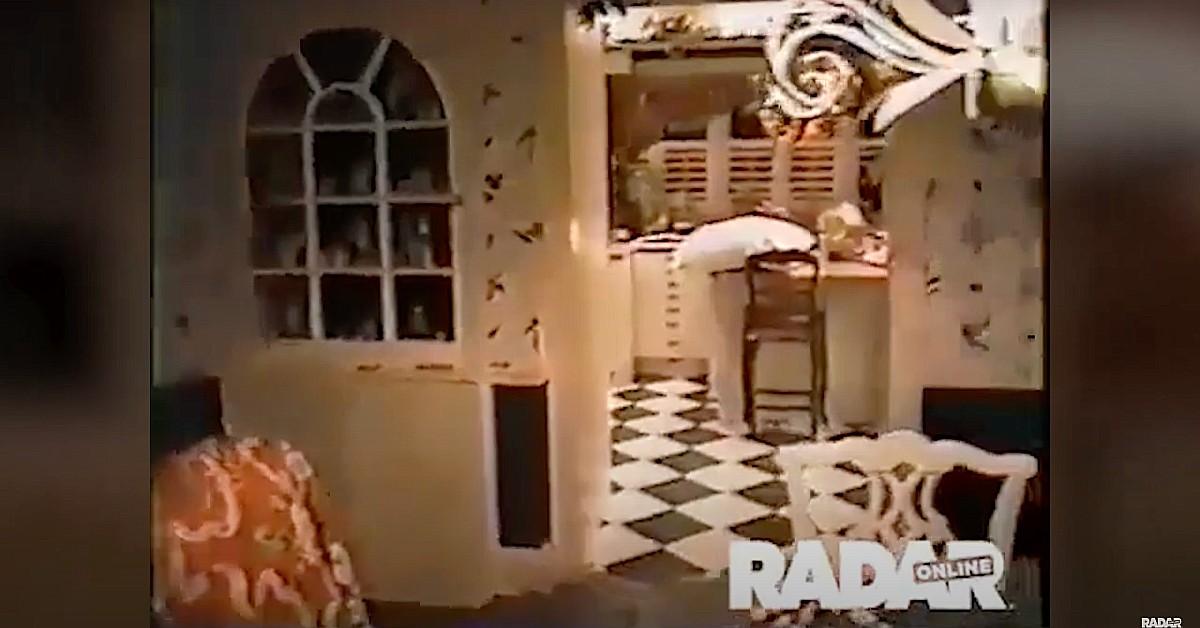
Photographs taken by crime scene technicians later that day reveal a living room littered with coffee cups, blankets moved from their original resting places, and multiple footprints overlapping potential trace evidence on the hardwood floors. This lack of containment compromised the chain of custody for numerous items, leaving investigators to sort through a heavily muddied environment.
The Ransom Note Controversy
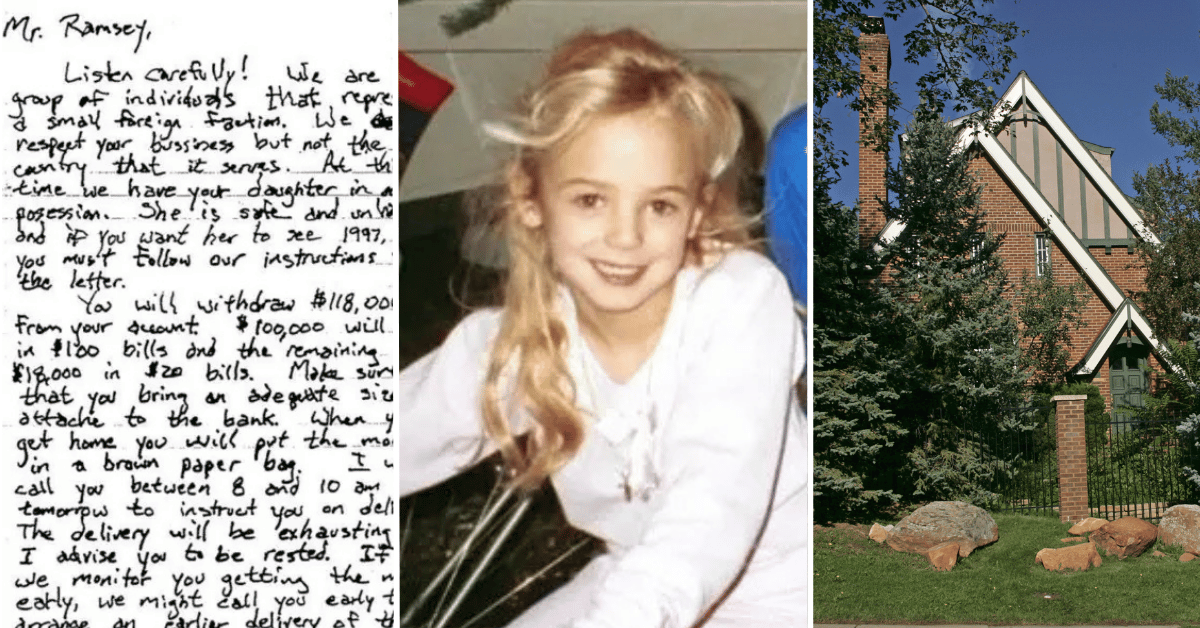
One of the most perplexing visual elements documented by investigators was a three-page ransom note found on the kitchen staircase. Written on a notepad belonging to Patsy Ramsey using a pen from the same household, the note demanded $118,000 for JonBenét's safe return.
Photographs of the note show its placement in a high-traffic area of the home. Because officers did not immediately isolate the kitchen, several people handled the notepad and the surrounding surfaces before dusting for fingerprints. This oversight made it extraordinarily difficult to definitively determine who touched the notepad and when.
Forensic Analysis of the Basement Crime Scene

The basement of the Ramsey home was a sprawling, unfinished maze of rooms that starkly contrasted with the opulent decor of the upper floors. It was within this secluded lower level that JonBenét met her fate.
The Wine Cellar Discovery
The small, dead-bolt-secured wine cellar where JonBenét's body was found became the focal point of forensic scrutiny. Crime scene photographs highlight several key details:
- A broken basement window, which police initially suspected as a point of entry, was surrounded by undisturbed cobwebs and dust—suggesting it may not have been used by an intruder.
- A white blanket and a patterned nightgown were used to cover the child's body after she was discovered.
- Ligatures made from nylon cord and a broken paintbrush handle were found tied around her neck and wrist.
Forensic photographers meticulously documented the exact angles of the body, the positioning of the ligature, and the surrounding clutter, yet these images only fueled decades of debate between competing theories of the crime.
Trace Evidence and Unidentified DNA
While photographs capture the macro-level layout of the room, laboratory analysis of the microscopic evidence told a parallel story. Technicians recovered touch DNA from JonBenét's waistband and underwear that did not match any family member. However, because the body was moved and the scene was heavily trafficked by responders, experts have long debated whether this DNA belonged to an intruder or was the result of secondary transfer.
The Legacy of Investigative Missteps
The photographic record of the Ramsey home serves as a stark warning in modern law enforcement training regarding the dangers of scene contamination. Key lessons emerged from the failures:
- Immediate Quarantine: Even when a family reports a kidnapping or missing child, standard protocol now dictates treating the entire residence as a potential crime scene until proven otherwise.
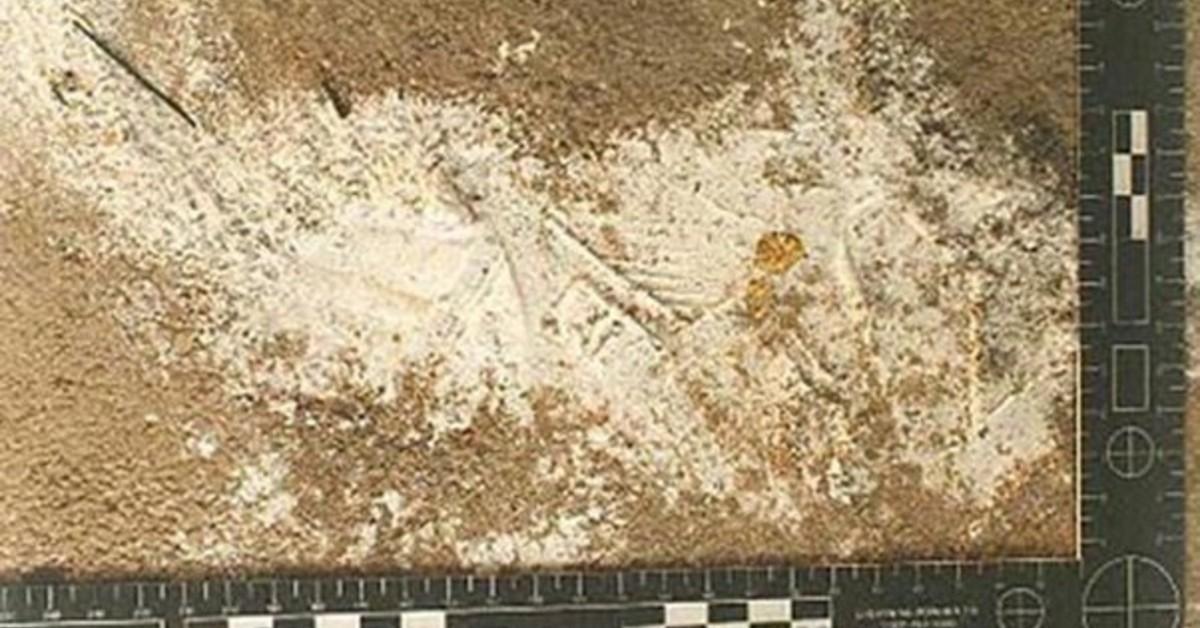
- Minimizing Foot Traffic: Limiting the number of first responders and civilians inside a dwelling preserves transient evidence like hair, fibers, and shoe impressions.
- Preserving Context: Leaving victims undisturbed until forensic pathologists and crime scene reconstructionists can document the exact layout prevents the loss of vital positional data.
Conclusion
Decades after the tragic events of December 1996, the visual and physical record of the JonBenét Ramsey case remains a haunting reminder of how easily justice can be derailed by initial confusion. While forensic technology has advanced significantly, the compromised nature of the original evidence leaves investigators with a puzzle where many crucial pieces were altered before the camera ever started rolling.