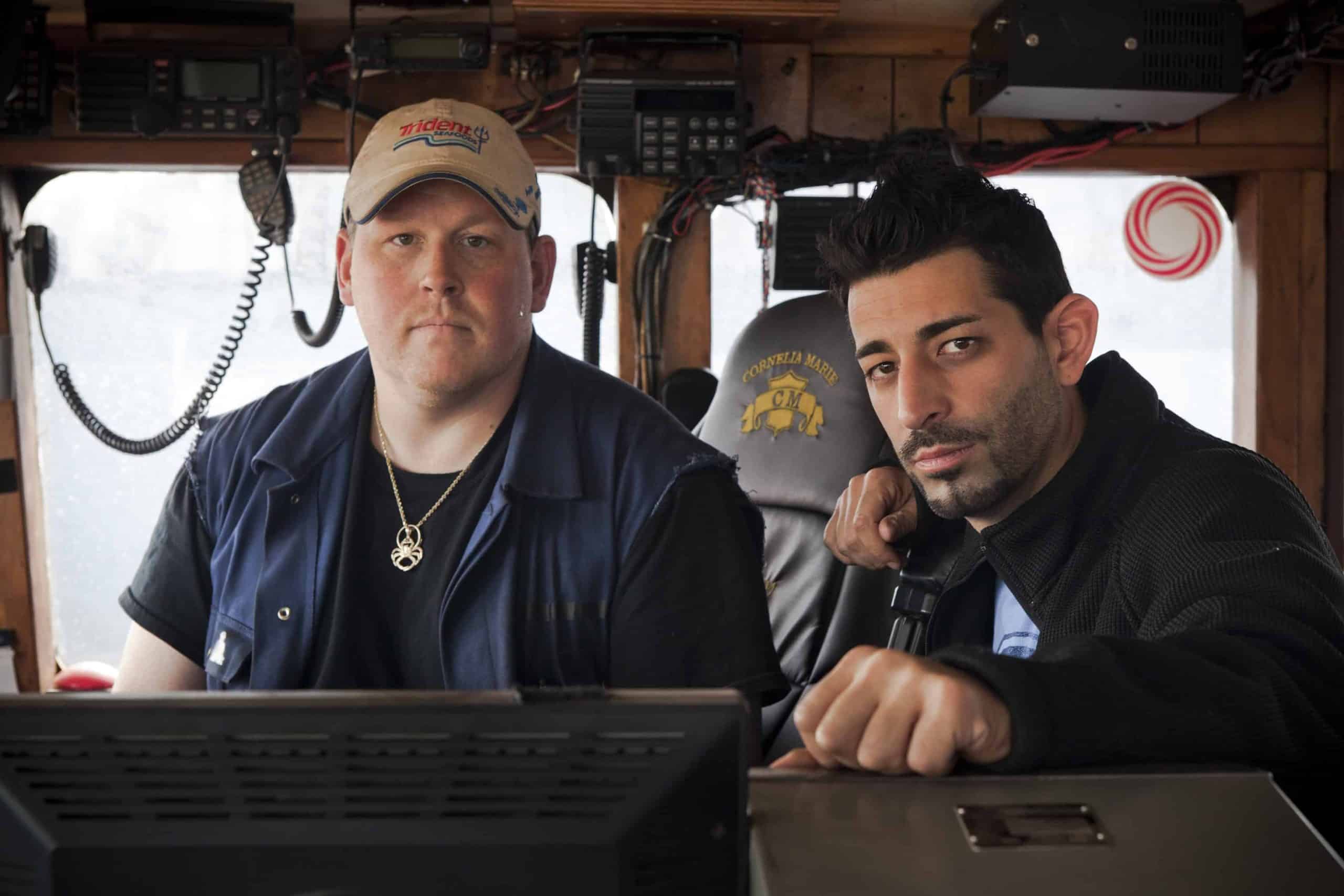
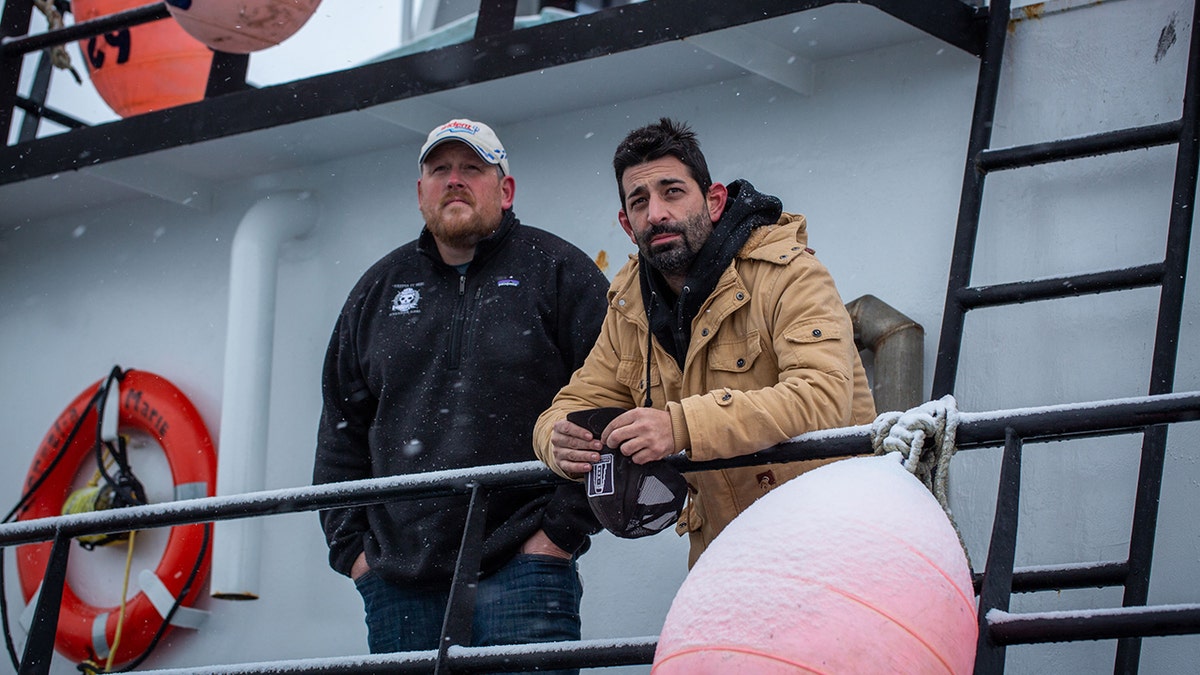
Josh Harris’ Deadliest Day in The Deadliest Catch
Few television series capture the relentless hostility of nature quite like Discovery Channel’s flagship docuseries. When commercial crab vessels depart Dutch Harbor for the freezing expanses of the Bering Sea, the margin between a lucrative haul and disaster is razor-thin. Viewers have witnessed countless near-misses over two decades, but few narratives resonate as deeply as that of Josh Harris. From Suspense to Survival: Josh Harris’ Deadliest Day in The Deadliest Catch! remains a defining chapter in the franchise’s history, illustrating the brutal transition of an untested deckhand thrust into the captain’s chair under catastrophic maritime conditions.
The Heavy Burden of the F/V Cornelia Marie
To understand the sheer magnitude of Josh Harris’ most dangerous moments at sea, one must revisit his arrival on the 128-foot house-forward vessel, the F/V Cornelia Marie. Long captained by his legendary father, Phil Harris, the boat was a beloved character in its own right. However, Phil’s sudden and tragic death during Season 6 thrust Josh into a crucible of grief, commercial pressure, and immense mechanical responsibility.
Taking command of a commercial fishing vessel requires decades of nautical intuition. Commercial crab fishing in the Bering Sea regularly ranks among the most hazardous professions on earth, characterized by freezing temperatures, heavy steel equipment, and unpredictable Arctic storms. Josh had to earn the respect of seasoned veterans while mastering wheelhouse operations in real time, knowing that a single miscalculation could cost his crew their lives.
From Suspense to Survival: Josh Harris’ Deadliest Day in The Deadliest Catch!
Every commercial fisherman has a memory of the day the ocean nearly won. For Josh Harris, that moment arrived when an unexpected Arctic gale intersected with an unforgiving mechanical failure, creating a textbook scenario for total vessel loss.
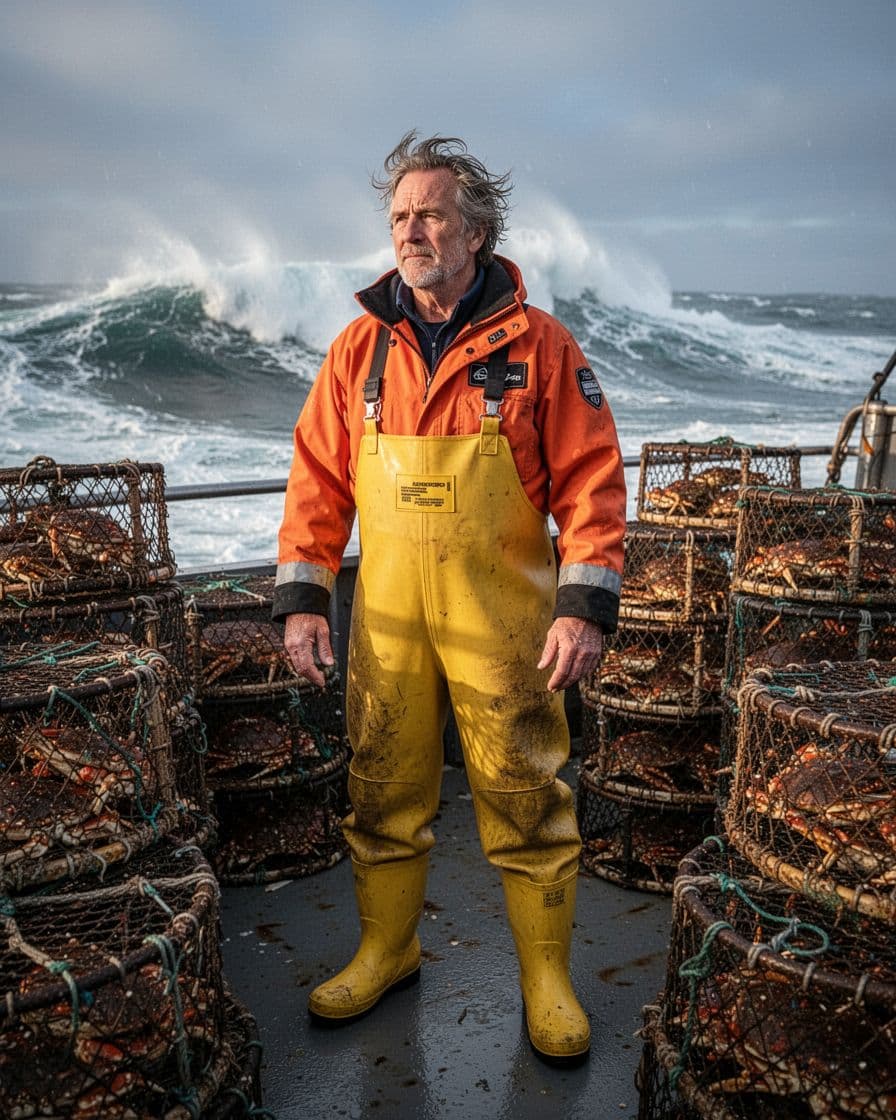
While battling through heavy winter swells during opilio crab season, the Cornelia Marie found herself trapped in an intensifying freeze. As sub-zero spray crashed over the bow, sea ice began accumulating rapidly along the superstructure and crab pots stacked high on deck. Known to commercial crabbers as "superfreeze," this rapid icing raises a ship's center of gravity, making it dangerously top-heavy and vulnerable to capsizing.
The situation escalated from tense to life-threatening when a violent rogue wave struck the starboard side. The sheer kinetic energy of the wall of water tore loose several 800-pound steel crab pots, sending them sliding across the icy deck like runaway battering rams. In the wheelhouse, alarms blared as the vessel took a heavy list, struggling to right itself against the rhythmic pounding of twenty-foot breakers.
The Cascade of System Failures
A maritime emergency rarely happens in isolation; it cascades. With loose pots threatening to crush deckhands or puncture the bulkhead, the crew faced immediate peril:

- Hydraulic and Steering Loss: As the vessel listed, hydraulic pressures fluctuated wildly, forcing the helmsman to fight for rudder authority in the trough of massive waves.
- Runaway Deck Gear: Deckhands risked life and limb on an ice-slicked deck in darkness, attempting to secure heavy steel pots before they sheared off vital fuel and water vents.
- Sub-Zero Exposure: Spray freezing instantly on exposure suits quickly reduced crew dexterity, turning a basic lashing procedure into an exhausting race against hypothermia.
Wheelhouse Leadership Under Fire
In the wheelhouse alongside co-captain Casey McManus, Josh faced the ultimate test of command. When a vessel is caught in the trough of heavy seas, broaching—rolling completely over—is an ever-present reality. Josh had to coordinate engine RPMs carefully to keep the bow pointed into the oncoming waves while giving the deck crew enough stability to clear hazards below.
Rather than panicking, Harris demonstrated the calm focus instilled in him by his late father. He slowed the vessel’s forward progress, worked the throttle to maintain steerage, and communicated clearly over the loud-hailer. Through coordinated teamwork, the deck crew secured the shifting pots with emergency dog lines and used sledgehammers to chip away hundreds of pounds of dangerous ice buildup from the rigging.
The survival of the Cornelia Marie that day was not decided by luck; it was decided by protocol, composure, and the refusal to surrender to panic. After hours of grinding tension, the vessel regained its trim, cleared the worst of the storm front, and resumed course toward safety.
The Lingering Reality of Bering Sea Crabbing
The physical hazards of the Bering Sea leave lasting impressions on those who survive them. While viewers watch the edited footage from the comfort of their living rooms, the men and women on screen confront absolute isolation. Outside of United States Coast Guard cutters or MH-60 Jayhawk helicopters—often hours away—there is no backup.
Incidents like this deadly day underscore several immutable truths of commercial fishing:
- The Weather Always Commands: Modern radar and satellite tracking can forecast storms, but micro-bursts and rogue waves remain unpredictable anomalies.
- Maintenance Is Survival: The mechanical reliability of bilge pumps, hydraulic valves, and generators is the only barrier separating a crew from the ocean floor.
- Mental Fortitude Overpowers Fear: When death is an immediate possibility, fear must be converted into methodical, step-by-step action.
A Legacy Forged in Arctic Waters
Josh Harris’ journey on Deadliest Catch transitioned him from a son working in his father's shadow into a seasoned mariner who proved his mettle during catastrophic conditions. The intense brush with disaster aboard the Cornelia Marie served as a sobering reminder of what Phil Harris always maintained: the Bering Sea respects no name, no legacy, and no boat.
By keeping his crew alive through an escalating crisis of ice, rogue waves, and mechanical compromise, Josh Harris proved that survival in extreme environments is ultimately born from preparation, discipline, and an unrelenting respect for the ocean.