Journal Advocate Funeral Obituaries: A Complete Guide
When losing a loved one, sharing their story with the community provides an important sense of closure and remembrance. For residents in Northeastern Colorado, the local newspaper serves as a primary channel for this purpose. Navigating Journal Advocate funeral obituaries can feel overwhelming during a time of grief, but understanding the submission process, reading archived notices, and crafting a fitting tribute makes the task much simpler.

Understanding Journal Advocate Funeral Obituaries
The Journal Advocate, based in Sterling, Colorado, has served Logan County and the surrounding agricultural and rural communities for generations. Publishing a notice in this publication ensures that friends, extended family members, and former neighbors learn of a person's passing, details regarding memorial services, and opportunities to pay their respects.
Local newspapers like this one generally differentiate between two types of announcements: standard obituaries and basic death notices. Knowing the difference helps families choose the right option for their budget and communication needs.
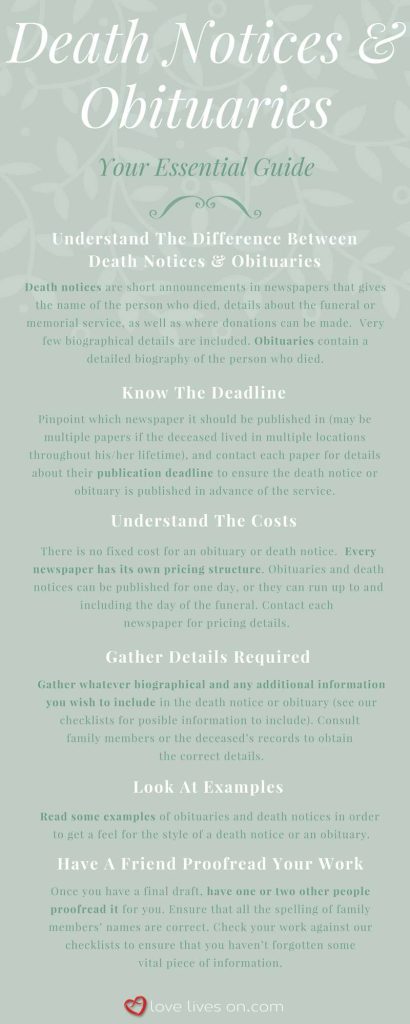
Obituaries vs. Death Notices
While people often use the terms interchangeably, publishers usually treat them differently:
- Death Notices: These are brief, factual announcements provided directly by funeral homes. They typically include the deceased's name, age, city of residence, and the date, time, and location of upcoming services. They are designed for quick informational purposes.
- Obituaries: These are more expansive, personalized tributes. Families write them to celebrate a person's life history, career, hobbies, surviving family members, and personal achievements. They often include photographs and cost more to publish due to their length.
How to Submit an Obituary
Submitting a tribute to the newspaper requires following specific guidelines to ensure timely publication. Most families coordinate this process directly through their chosen funeral director, though direct submissions are also accepted.
- Contact the Funeral Home: Most local mortuaries have direct portals or established relationships with newspaper advertising and editorial departments. They often format the text and handle transmission on your behalf.
- Check Deadlines: Newspapers operate on strict daily or weekly print schedules. Missing a deadline can delay the publication of service details, so it is vital to confirm cutoff times early.
- Prepare the Text and Media: Draft the write-up in a word processor, check for spelling errors (especially names and dates), and select a clear, high-resolution photograph if desired.
- Review Pricing and Word Counts: Publications typically charge by the column inch or word count, with additional fees for photographs and color printing. Request a cost estimate before finalizing.
Tips for Writing a Meaningful Tribute
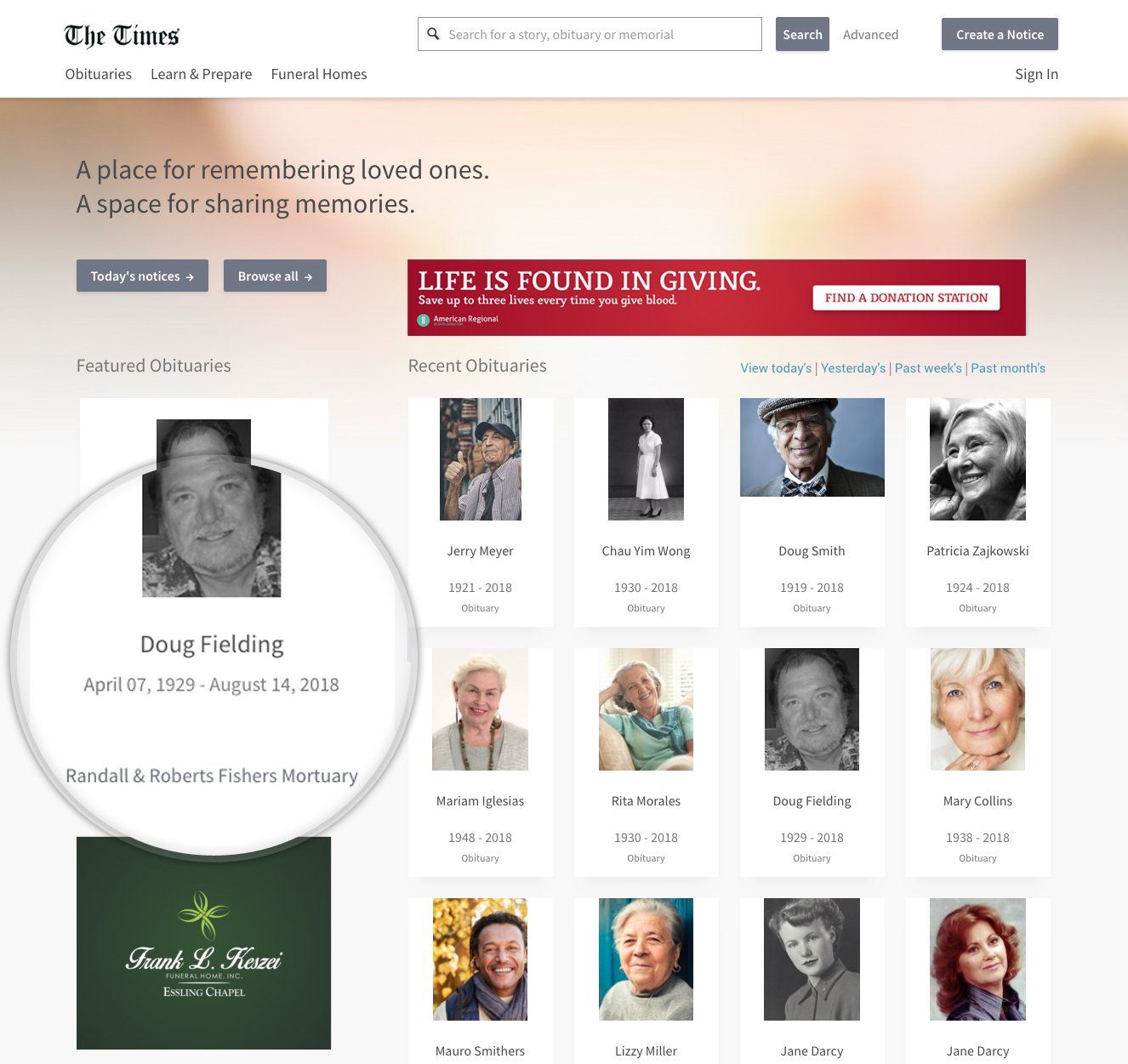
Writing about someone you love during a period of mourning is challenging. Focus on capturing their unique spirit rather than just listing chronological facts. A well-written memorial notice honors their legacy and provides comfort to readers.
Essential Elements to Include
While every life is unique, most traditional notices follow a standard structural framework:
- Full Name and Demographics: Include maiden names, nicknames, age, and place of residence.
- Biographical Details: Mention birth and death dates, parents' names, education, military service, and career milestones.
- Personal Passions: Highlight hobbies, community involvement, clubs, church memberships, and favorite pastimes.
- Surviving Relatives: List immediate family members, pre-deceased relatives, and sometimes beloved pets.
- Service Information: Clearly state the date, time, and venue for viewings, funerals, celebrations of life, or interments.
- Memorial Preferences: Specify whether the family prefers flowers or charitable donations made in the deceased's name.
Finding Archived Notices
Researchers, genealogists, and friends often look for historical records within the publication's archives. Finding past records helps trace family trees or confirm historical dates within the Logan County area.
Online Databases and Digital Archives
Modern digital platforms make searching for historical records much easier than sifting through physical microfilm at a local library. You can typically find archives through:
- The official Journal Advocate website portal under their remembrance or classified sections.
- Third-party genealogy databases like Ancestry or Newspaper.com, which frequently partner with regional papers to digitize historical runs.
- Local public libraries in Sterling, which often maintain digital terminals or physical clipping files for community research.
Conclusion
Navigating the logistics of a passing is never easy, but preserving a loved one's memory through local print and digital channels is a vital part of the healing process. By understanding deadlines, submission requirements, and archival access for Journal Advocate funeral obituaries, you can ensure that your family member's legacy is honored accurately and respectfully within the community they called home.